The rise of Digital Market Platforms has revolutionized the way smallholder farmers interact with the broader agricultural value chain. Harnessing the power of mobile connectivity and cloud computing, these platforms optimize access to markets, provide real-time information, and improve overall farm productivity. As more rural communities embrace digital tools, the potential for sustainability and economic growth becomes increasingly palpable.
Market Access and Information Flow
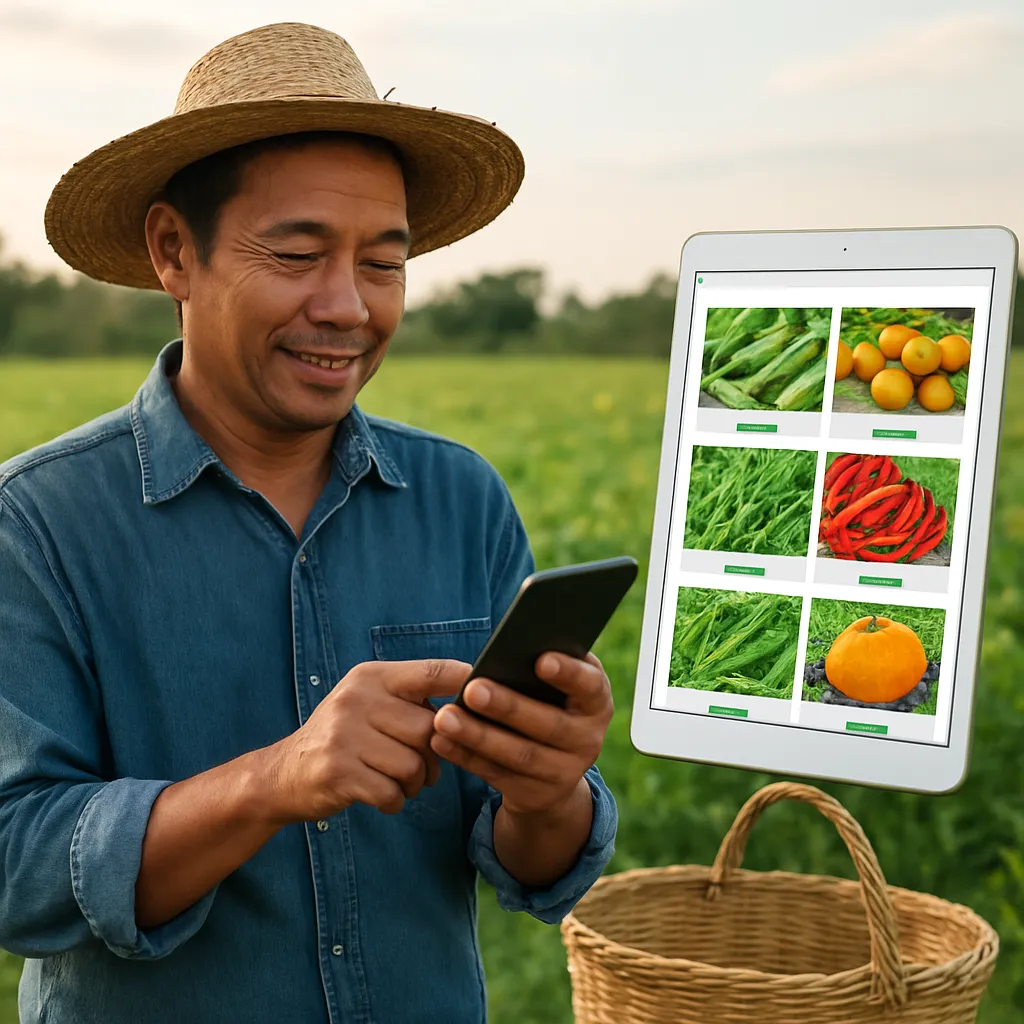
Historically, smallholder farmers faced numerous barriers when attempting to sell their produce. Limited access to reliable market prices, middlemen who captured a disproportionate share of profits, and poor transportation infrastructure all undermined farmers’ ability to secure fair returns. Digital Market Platforms now offer a bridge between producers and buyers, fostering transparency and driving down inefficiencies.
Price Discovery and Benchmarking
Through mobile apps or USSD interfaces, farmers can instantly compare local, regional, and national price quotations for crops such as maize, rice, or vegetables. This data-driven approach enables smallholders to make informed decisions on when and where to sell:
- Real-time price updates direct from wholesale markets
- Historical price trends and seasonality charts
- Alerts on price spikes or sudden demand shifts
Direct Buyer-Farmer Connections
Eliminating unnecessary intermediaries is central to improving farmer incomes. Platforms empower growers to connect directly with:
- Local cooperatives seeking fresh produce
- Exporters and agro-processors with stringent quality standards
- Retail chains and e-commerce aggregators
By matching supply and demand, these digital ecosystems ensure farmers obtain equity in pricing and minimize post-harvest losses caused by delayed sales.
Digital Platforms and Mobile Applications
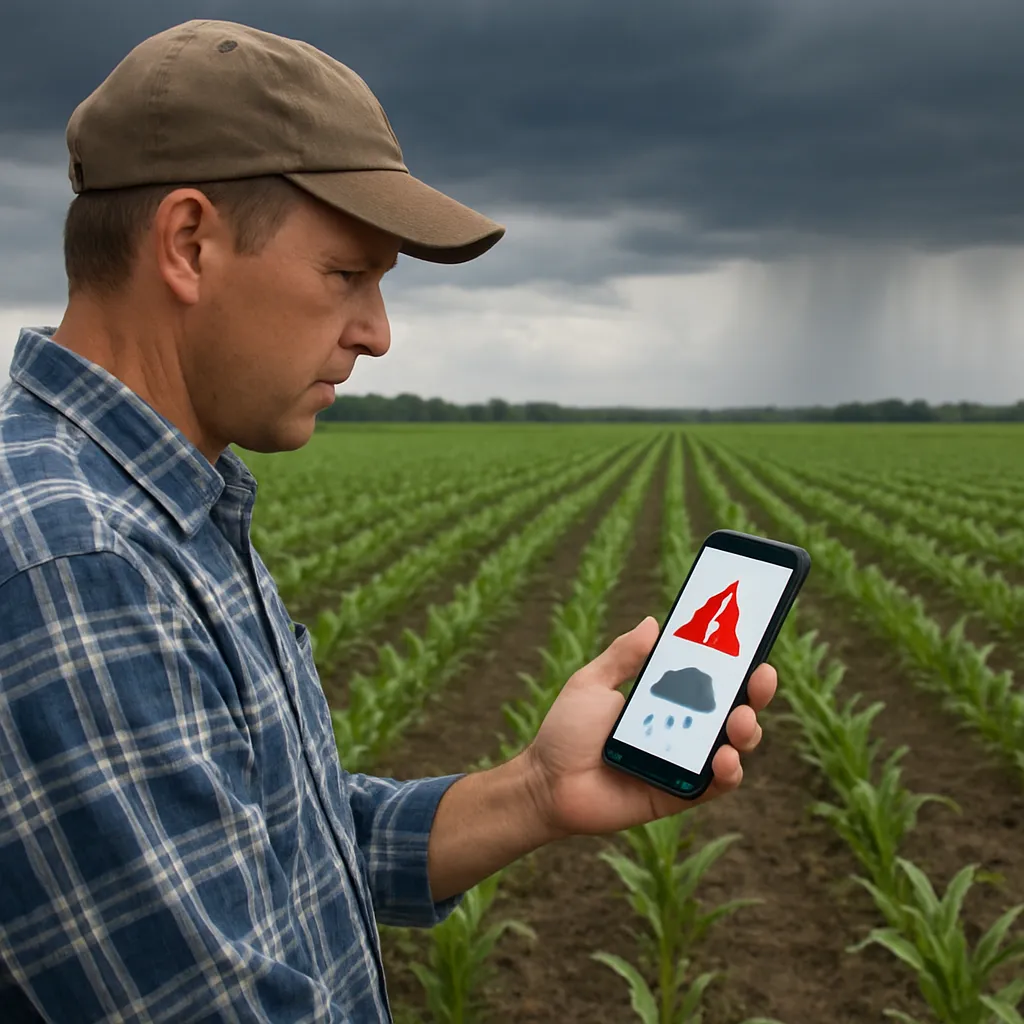
Leveraging the ubiquity of smartphones and feature phones, modern agricultural platforms deliver a suite of tools that go beyond market matchmaking. They provide agronomic advisories, credit facilitation, and weather forecasts to bolster rural livelihoods.
Agronomic Advisory Services
Platform-integrated expert systems give farmers step-by-step guidance on planting, fertilization, and pest management. Key features include:
- AI-driven pest and disease identification via image recognition
- Customized fertilization schedules based on soil testing data
- Push notifications for optimal irrigation timing
These services enhance efficiency in input usage, reducing costs and environmental footprint.
Financial Inclusion and Credit Access
Digital Market Platforms often partner with microfinance institutions and fintech providers to facilitate loans, insurance, and mobile payments. Through alternative credit scoring—using transaction history and digital footprints—smallholders can access:
- Short-term working capital to purchase seeds and fertilizers
- Crop insurance products that mitigate climate-related risks
- Digital wallets for secure, instant settlements
Such empowerment promotes resilience against shocks and encourages investment in farm improvements.
Economic Impact and Governance
Beyond individual gains, the proliferation of digital platforms fosters broader economic development. By streamlining supply chains, these solutions reduce food prices for consumers and increase export potential for regions with surplus production.
Supply Chain Optimization
Integrated logistics modules help farmers coordinate transport and storage, minimizing spoilage and shrinkage. Features include:
- Shared warehousing bookings for bulk storage
- Vehicle tracking to ensure timely delivery
- Automated invoice generation and digital receipts
Reducing waste and improving quality control enhances the competitiveness of smallholders in domestic and international markets.
Data Governance and Fair Trade
As platforms collect vast amounts of agricultural data, responsible management becomes imperative. Key governance principles include:
- Farm-level data ownership and consent models
- Transparent revenue-sharing arrangements between platform owners and farmers
- Adherence to local regulations on digital commerce and privacy
Respecting these guidelines ensures collaboration among stakeholders and maintains trust in the digital ecosystem.
Future Prospects and Innovations
While significant progress has been made, the evolution of Digital Market Platforms is ongoing. Emerging technologies such as blockchain, IoT sensors, and precision agriculture promise to unlock new value for smallholders.
Blockchain for Traceability
Distributed ledger systems can record every transaction and handling step from farm gate to consumer. Benefits include:
- Verifiable proof of origin for organic or fair-trade produce
- Immutable records that deter fraud and adulteration
- Premium pricing opportunities for certified goods
Traceability enhances consumer confidence and creates market niches for high-quality products.
IoT and Precision Agriculture
Deploying low-cost sensors in fields enables continuous monitoring of soil moisture, nutrient levels, and microclimatic conditions. Insights derived from analytics platforms drive:
- Variable-rate irrigation that conserves water
- Targeted pesticide application to reduce environmental impact
- Yield forecasting models that improve harvest planning
Integrating these tools with market platforms will further improve resource use and profit margins, reinforcing agricultural resilience.
In summary, the convergence of digital technologies and agriculture is reshaping the livelihoods of smallholder farmers worldwide. By enhancing connectivity, promoting fair trade, and supporting sustainable practices, Digital Market Platforms are paving the way for a more inclusive and innovative agricultural sector.