Crop rotation represents a cornerstone of sustainable agriculture, offering a proven pathway to elevate soil fertility, mitigate pest pressures, and enhance overall ecosystem resilience. By systematically alternating crops over seasons, farmers can harness natural processes to reduce reliance on chemical inputs while bolstering biodiversity and long-term productivity. This article delves into practical models for **crop rotation** that not only optimize yields but also fortify the **agroecosystem** against environmental stresses.
Ecological Foundations of Crop Rotation
At its core, crop rotation leverages interactions between plants, soil organisms, and nutrient cycles. Understanding these ecological underpinnings is essential for designing systems that maximize benefits:
- Sustainability through nutrient recycling: Different crops extract and deposit varying nutrients. Rotating cereal grains with legumes supports nitrogen fixation, reducing the need for synthetic fertilizers.
- Pest and disease suppression: Many pathogens and insect pests specialize on particular plant families. By changing hosts each season, farmers disrupt pest life cycles and lower inoculum levels.
- Soil structure and organic matter: Deep-rooted plants, such as certain brassicas, break up compacted layers, enhance soil aeration, and increase water infiltration, thereby promoting overall soil health.
- Biodiversity enhancement: Diverse rotations create varied habitats for beneficial organisms—from predatory beetles to earthworms—contributing to a robust and resilient field ecosystem.
Designing Effective Rotation Systems
Constructing a rotation plan demands careful attention to climate, soil type, market demands, and existing farm infrastructure. Below are key steps to ensure an impactful sequence:
1. Assess Baseline Conditions
- Soil testing for pH, organic matter, and nutrient levels.
- Historical analysis of pest and disease outbreaks.
- Identification of irrigation capacity and water availability.
2. Select Complementary Crops
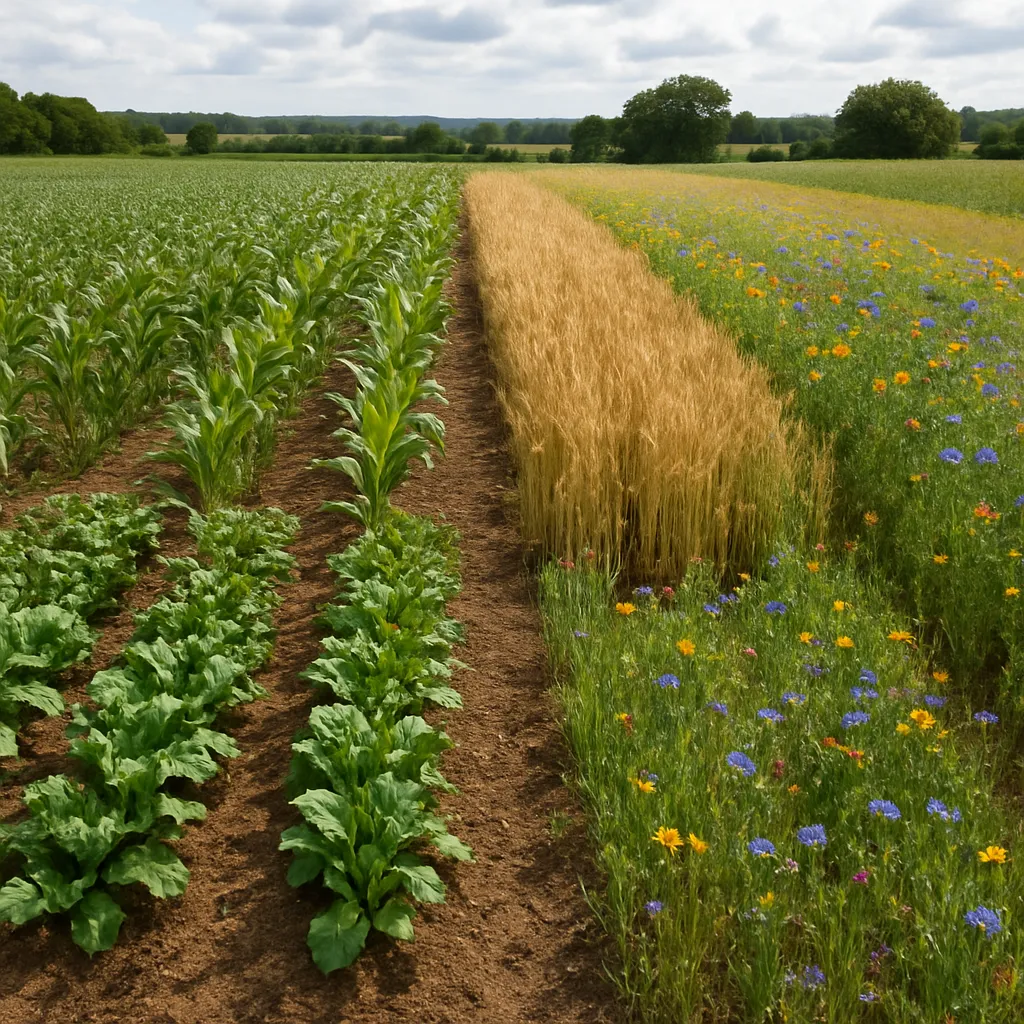
- Cereal–legume pairings: Wheat or barley followed by peas or beans improves nitrogen cycling.
- Deep-root vs. shallow-root contrasts: Alternating alfalfa with shallow-root vegetables prevents compaction and supports diverse microbial communities.
- Oilseed rotations: Integrating oil crops like canola can break pest cycles common to cereals and legumes.
3. Determine Sequence Length
Short rotations (2–3 years) are simple to implement but may not fully suppress certain pathogens. Extended sequences (4–7 years) offer superior control of nematodes, fungi, and insect pests. Balancing complexity and farm logistics is crucial for long-term viability.
Integrating Cover Crops and Green Manures
Beyond cash crops, incorporating cover crops augments the rotation’s ecological benefits. Cover species can be grown during fallow periods to protect soil, scavenge nutrients, and provide habitat for beneficial fauna.
- Legumes such as clover or vetch fix atmospheric nitrogen, improving fertility for subsequent cereals.
- Brassicaceae covers, like mustard or radish, release biofumigant compounds that suppress soil-borne pathogens.
- Grasses like rye or oats produce substantial biomass, enhancing organic matter and curbing erosion during off-seasons.
Green manures can be incorporated into the soil to accelerate nutrient release and feed decomposer communities. This practice promotes resilience by creating a living mulch that reduces weeds and conserves moisture.
Implementation Strategies and Farm-Level Benefits
Transitioning to a diversified rotation requires strategic planning and incentives. Key considerations include:
- Equipment adaptation: Specialized planters or inter-seeders may be needed for polyculture phases.
- Economic analysis: Projected input savings from reduced fertilizers and pesticides versus yield impacts.
- Market development: Securing buyers for non-traditional or specialty crops within the rotation.
- Education and extension support: Training farm staff on new scouting protocols and nutrient management tactics.
When properly executed, rotation models deliver multiple on-farm advantages:
- Enhanced **yield stability** as soil and pest pressures become more manageable.
- Reduced external input costs, especially for synthetic nitrogen and herbicides.
- Improved water use efficiency thanks to better soil structure and organic content.
- Strengthened on-farm conservation ethos, fostering biodiversity corridors at field margins.
Furthermore, consumer demand for products grown under ecologically sound practices continues to grow, providing potential price premiums for farmers who adopt well-designed crop rotation systems. By aligning production goals with environmental stewardship, agriculture can advance toward a future that values both food security and ecosystem integrity.