The integration of drones in modern agriculture has ushered in a new era of large-scale farm management. By deploying swarm technology, growers can achieve unprecedented levels of precision and efficiency across thousands of acres. This article explores the fundamentals of drone swarms, their diverse applications, the technological challenges they present, and strategies for seamless integration into existing farm operations.
Understanding the Fundamentals of Drone Swarms
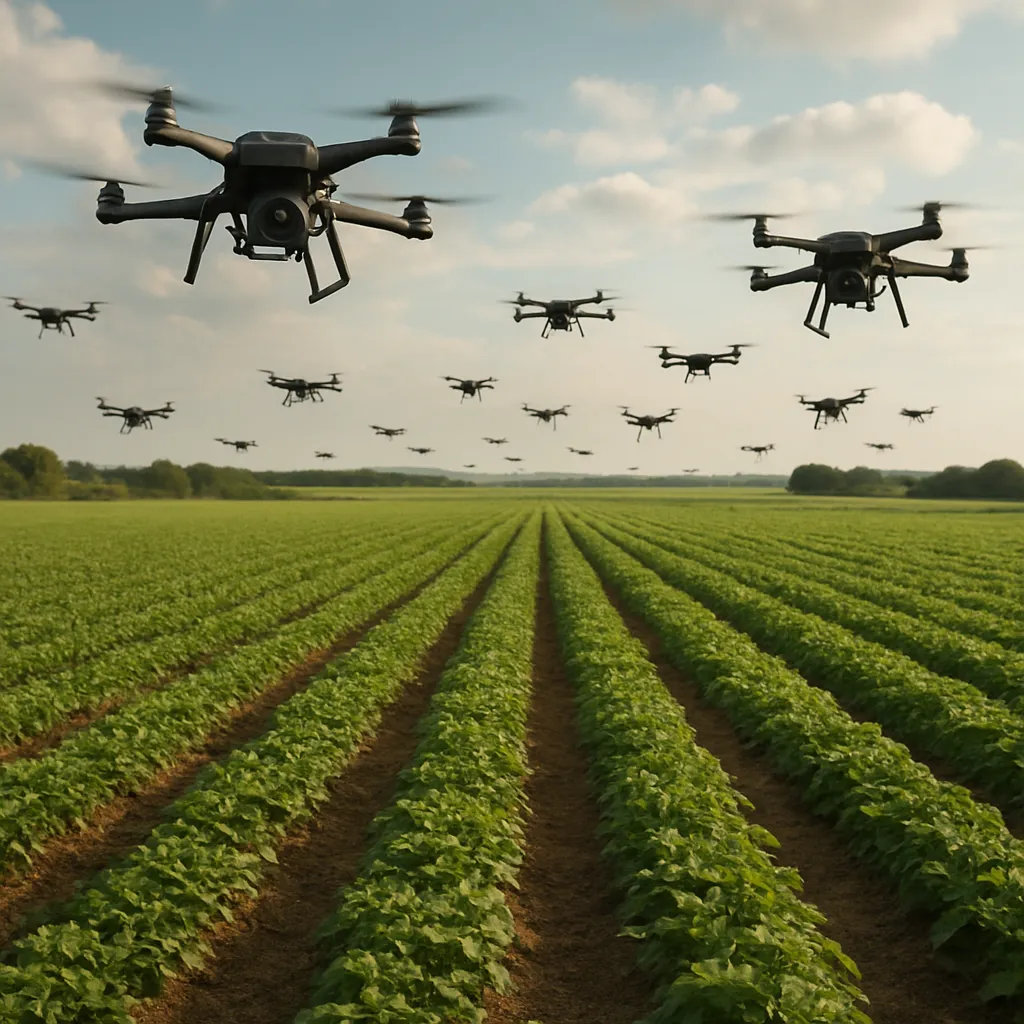
At the heart of swarm operations lies the concept of collaborative autonomy. Unlike single-drone deployments, a swarm consists of multiple units that communicate and coordinate in real time. This cooperative behavior is inspired by natural systems—such as flocks of birds or schools of fish—and relies on sophisticated algorithms to maintain formation, avoid collisions, and adapt to dynamic environmental conditions.
Core Components
- Flight Control Systems: Each drone is equipped with an onboard computer that interprets navigational commands and stabilizes flight.
- Communication Networks: Mesh and relay-based radio protocols ensure low-latency data exchange among swarm members and ground stations.
- Sensor Suites: High-resolution cameras, multispectral imagers, LiDAR units, and thermal sensors gather critical data on plant health, soil moisture, and pest presence.
- AI and Machine Learning: Edge computing modules process raw sensor feeds to detect anomalies, classify crop stages, and suggest corrective actions.
Swarm Behavior Algorithms
Effective swarm operation depends on robust algorithms that enable tasks such as area coverage, obstacle avoidance, and dynamic regrouping. Key algorithmic components include:
- Flocking Rules: Inspired by Reynolds’ Boids model, these rules govern separation, alignment, and cohesion, ensuring drones maintain optimal spacing.
- Task Allocation: Distributed decision-making systems assign specific drones to mapping, spraying, or scouting roles based on current needs.
- Redundancy and Failover: Self-healing networks reroute tasks if individual drones fail, preserving mission integrity.
Applications in Precision Field Monitoring
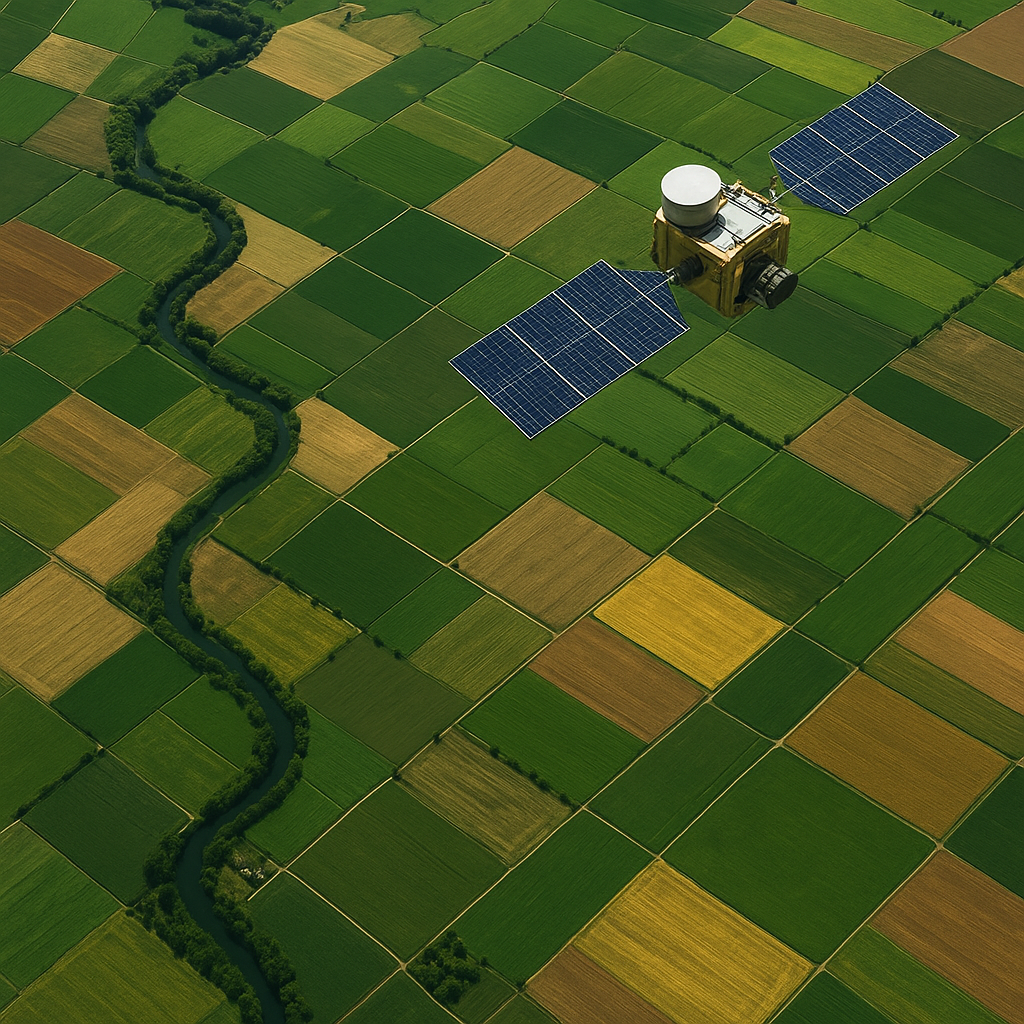
By harnessing the cooperative power of drone swarms, farmers can continuously monitor crop conditions at a granularity previously impossible with traditional manned aircraft or satellite imagery. Frequent overflights generate up-to-date maps of every plot, enabling rapid interventions to maximize yield and minimize resource waste.
Crop Health Assessment
Swarms equipped with multispectral imagers can detect chlorophyll levels and stress indicators across entire fields. Through normalized difference vegetation index (NDVI) analysis, farmers identify zones of underperformance and address nutrient deficiencies before visible symptoms appear.
Soil Moisture and Irrigation Management
Thermal cameras and ground-penetrating radar sensors mounted on drones provide detailed moisture profiles. This data feeds into optimization algorithms that fine-tune irrigation schedules, reducing water consumption and preventing overwatering.
Pest and Disease Surveillance
Early detection of pest outbreaks or fungal infections allows targeted treatment rather than blanket spraying. A swarm can rapidly prioritize affected areas, deploying precision sprayers or releasing biological control agents with minimal environmental impact.
Implementing Swarms at Scale
Transitioning from pilot projects to full-scale deployment requires careful planning, significant investment, and close cooperation between agronomists, engineers, and regulatory bodies. Key considerations include:
Regulatory Compliance
- Airspace permissions and drone flight corridors must comply with national aviation authorities.
- Data privacy and security protocols safeguard farmer information from unauthorized access.
- Environmental impact assessments ensure swarm operations do not disturb wildlife or sensitive habitats.
Infrastructure and Ground Stations
Establishing a network of charging bases, maintenance hubs, and communication towers is essential for uninterrupted operations. Solar-powered landing pads and automated battery-swapping systems enable 24/7 coverage, even in remote regions.
Training and Workforce Development
Skilled technicians are needed to maintain hardware, calibrate sensors, and analyze incoming data. Meanwhile, agronomists must learn to interpret AI-generated insights and integrate them into crop management plans. Collaborative workshops and certification programs foster interdisciplinary expertise.
Challenges and Future Directions
Despite remarkable advances, several hurdles remain before drone swarms become commonplace on every farm. Addressing these challenges will pave the way toward truly sustainable and resilient agricultural systems.
Scalability and Cost
High initial costs for fleet acquisition and infrastructure deter smaller operations. As manufacturing volumes increase and open-source software platforms mature, economies of scale are expected to lower barriers to entry.
Bandwidth and Data Management
Handling terabytes of imagery and sensor data daily demands robust cloud architectures and edge-computing solutions. Future innovations in data compression and on-device inference will alleviate bandwidth constraints.
Environmental Factors
Weather variability, electromagnetic interference, and wildlife interactions pose risks to swarm stability. Ongoing research focuses on adaptive flight strategies and bio-inspired sensing to enhance resilience under adverse conditions.
Strategies for Seamless Integration
Successful adoption of drone swarms hinges on aligning technology with farm-specific goals. Below are practical guidelines for implementation:
- Phased Deployment: Start with a small squadron of drones performing basic reconnaissance. Gradually introduce advanced payloads and autonomous behaviors.
- Modular Architectures: Use interchangeable sensor packages to repurpose drones for scouting, spraying, and pollination tasks as seasons change.
- Data-Driven Decision Support: Integrate swarm outputs with farm management software, creating dashboards that highlight anomalies, forecast yields, and recommend interventions.
- Collaborative Research: Partner with universities and tech startups to trial emerging algorithms and hardware innovations under real-world conditions.
- Sustainability Metrics: Monitor water usage, chemical inputs, and biodiversity impact to demonstrate the ecological benefits of precision swarm operations.
By embracing drone swarm technology, farmers can unlock new levels of monitoring, resource efficiency, and productivity. The path toward intelligent, networked agriculture is already unfolding, promising a future where large-scale farm management is both highly automated and deeply mindful of ecological balance.