The transformation of modern farming practices into a powerful tool against climate change is gaining momentum as more innovators explore methods to capture and store atmospheric carbon within farmland ecosystems. By embracing a suite of techniques designed to rebuild soil organic matter and enhance biodiversity, growers are discovering how sustainable cultivation can serve as a genuine climate solution, offering both environmental and economic gains. This article examines the scientific foundations, practical applications, policy frameworks, and future prospects of this emerging approach known as carbon farming.
The Science Behind Carbon Sequestration in Fields
At its core, carbon farming relies on the natural capacity of plants and soils to act as carbon sinks. Through photosynthesis, plants convert carbon dioxide from the atmosphere into organic compounds, some of which end up in the soil. Increasing the soil’s ability to store carbon involves enhancing the processes of sequestration and stabilizing organic matter to prevent rapid decomposition.
Healthy soils teem with microbial communities that drive nutrient cycling and form stable aggregates—clumps of soil particles bound by microbial byproducts and plant roots. These aggregates protect organic carbon from oxidation and release. Farmers aiming for soil health improvements focus on:
- Maintaining continuous ground cover to reduce erosion and moisture loss
- Incorporating diverse crop rotations that feed various microbial groups
- Applying composts or biochar to boost organic carbon content
- Reducing or eliminating tillage to maintain soil structure
By designing systems that mimic natural ecosystems, producers can maximize carbon retention while also improving water infiltration, nutrient availability, and overall farm resilience. Researchers quantify these gains using soil testing, remote sensing, and carbon modeling tools that measure changes over time.
Innovative Practices and Technologies
Carbon farming encompasses a wide array of practices, each tailored to regional climates, soil types, and cropping systems. Some of the most promising methods include:
- Regenerative grazing, where livestock reintroduction follows ecosystem-based movement patterns to stimulate grassland growth and root proliferation
- Cover cropping, which uses leguminous and non-leguminous plants to fix nitrogen, suppress weeds, and shield soils during off-seasons
- Agroforestry systems that integrate trees with crops or pastures, enhancing canopy cover and long-term carbon storage in woody biomass
- Direct injection of biochar, a stable form of carbon produced by pyrolysis, to lock carbon away for centuries
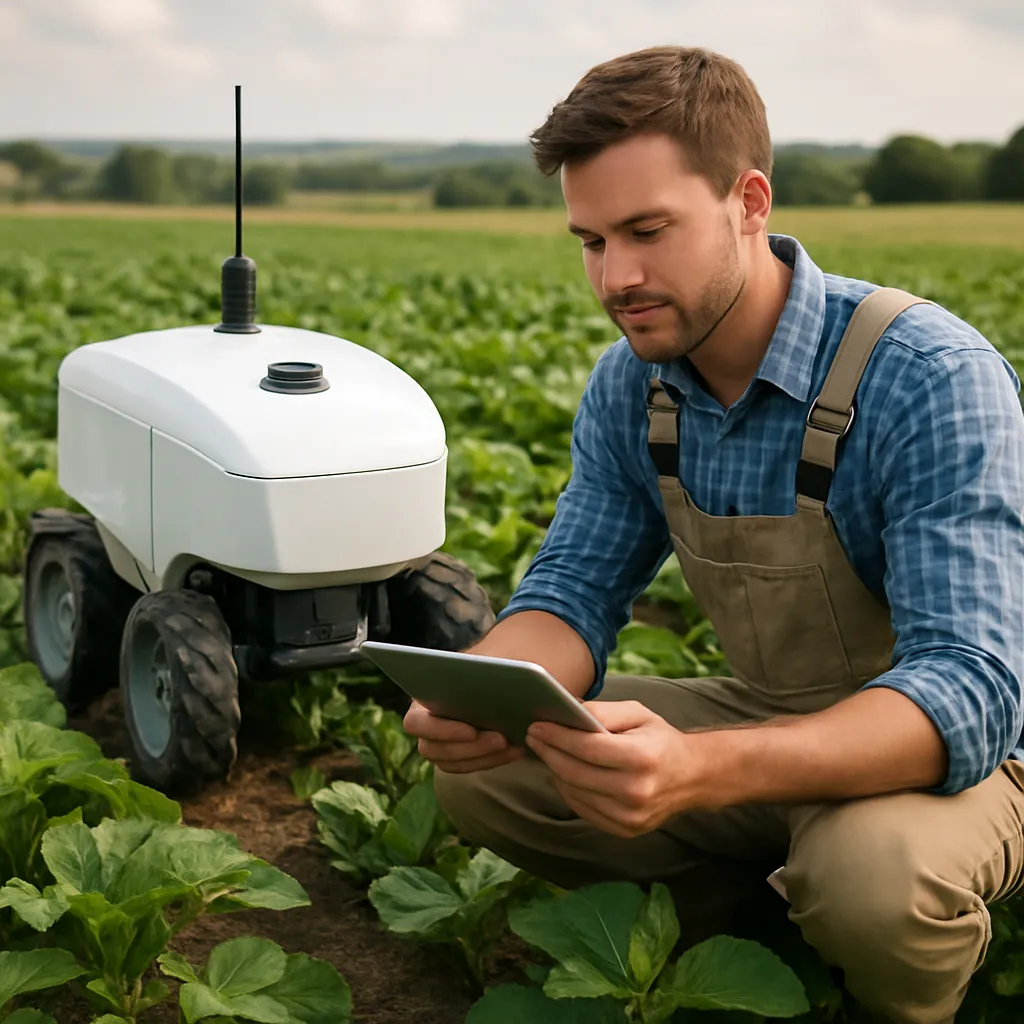
Technological innovations play a crucial role in adoption. Precision agriculture platforms equipped with drones, satellite imagery, and IoT soil sensors allow farmers to:
- Map baseline carbon levels with high spatial resolution
- Monitor soil moisture, temperature, and organic matter fluctuations in real time
- Optimize input applications—water, nutrients, amendments—to avoid overuse and reduce greenhouse gas emissions
By leveraging data-driven decision-making, managers can demonstrate the effectiveness of their carbon farming strategies, ensuring transparency and credibility within emerging carbon credit markets.
Economic Incentives and Policy Frameworks
One of the most significant barriers to large-scale carbon farming is aligning agricultural budgets with long-term environmental benefits. To bridge this gap, governments and private sectors are developing incentive schemes and market-based mechanisms. Key instruments include:
- Carbon offset programs that pay farmers per ton of CO2e sequestered, verified by third-party auditors
- Payments for ecosystem services (PES) rewarding land stewards for improved water quality, biodiversity, and soil retention
- Subsidies or tax credits for purchasing equipment that reduces emissions or measures soil carbon
- Green bonds and sustainable loan products tailored to agricultural sustainability projects
Policy support also comes from national commitments under international climate agreements. By setting targets for land-use sector mitigation, regulators encourage the adoption of carbon farming through:
- Incorporating soil carbon goals into national greenhouse gas inventories
- Aligning agricultural research funding with sustainability and low-emission farming
- Establishing legal frameworks for land tenure security, which incentivizes long-term investments in soil improvement
By blending public funding, private investment, and market mechanisms, economies can create robust pathways for growers to contribute to global mitigation targets while enhancing farm profitability.
Challenges and Future Directions
Despite its promise, carbon farming faces challenges that require ongoing innovation and collaboration. Key issues include measurement accuracy, permanence, and scaling up. Soil carbon gains can vary widely due to climate variability, management intensity, and baseline soil conditions. Ensuring that sequestered carbon remains in the ground over decades demands vigilance against disturbances such as intensive tillage, land conversion, or extreme weather events.
Emerging solutions focus on:
- Developing standardized methodologies for soil carbon accounting, endorsed by international bodies
- Investing in education and extension services to disseminate best practices among farmers
- Pilot projects that demonstrate co-benefits like improved crop yields, enhanced biodiversity, and water conservation
- Fostering partnerships between research institutions, agribusinesses, NGOs, and local communities to share knowledge and resources
Looking ahead, the integration of carbon farming into mainstream agriculture could transform the sector’s role from a major emitter of greenhouse gases into a cornerstone of climate action. By harnessing natural processes and cutting-edge technologies, the global food system can become more productive, more agriculture-friendly to the planet, and better equipped to feed a growing population under changing climatic conditions.
Building a Lasting Movement
Collaboration among stakeholders is essential. Farmers, scientists, policymakers, and consumers must align around common goals to ensure widespread adoption. Success stories from pilot regions can inspire replication and refinement. As carbon farming matures from experimental to established practice, it promises to reshape rural economies and support healthier ecosystems worldwide—proving that when agriculture embraces innovation, it can serve as a potent ally in the fight against climate change.