As coffee-producing regions explore greener alternatives, the integration of solar-powered fermentation structures marks a significant shift toward sustainable processing methods. By harnessing abundant sunlight, farmers can enhance bean drying phases, reducing dependency on fossil fuels and minimizing environmental footprint. This approach not only aligns with global climate goals but also improves overall bean quality, delivering consistent flavors prized by specialty roasters. Careful design and management of these solar domes ensure uniform temperature and controlled moisture removal, safeguarding delicate coffee characteristics while maintaining energy efficiency. Collaboration among agronomists, local cooperatives, and technology providers accelerates adoption, creating resilient supply chains responsive to both market demands and ecological challenges.
Solar Dome Technology Overview
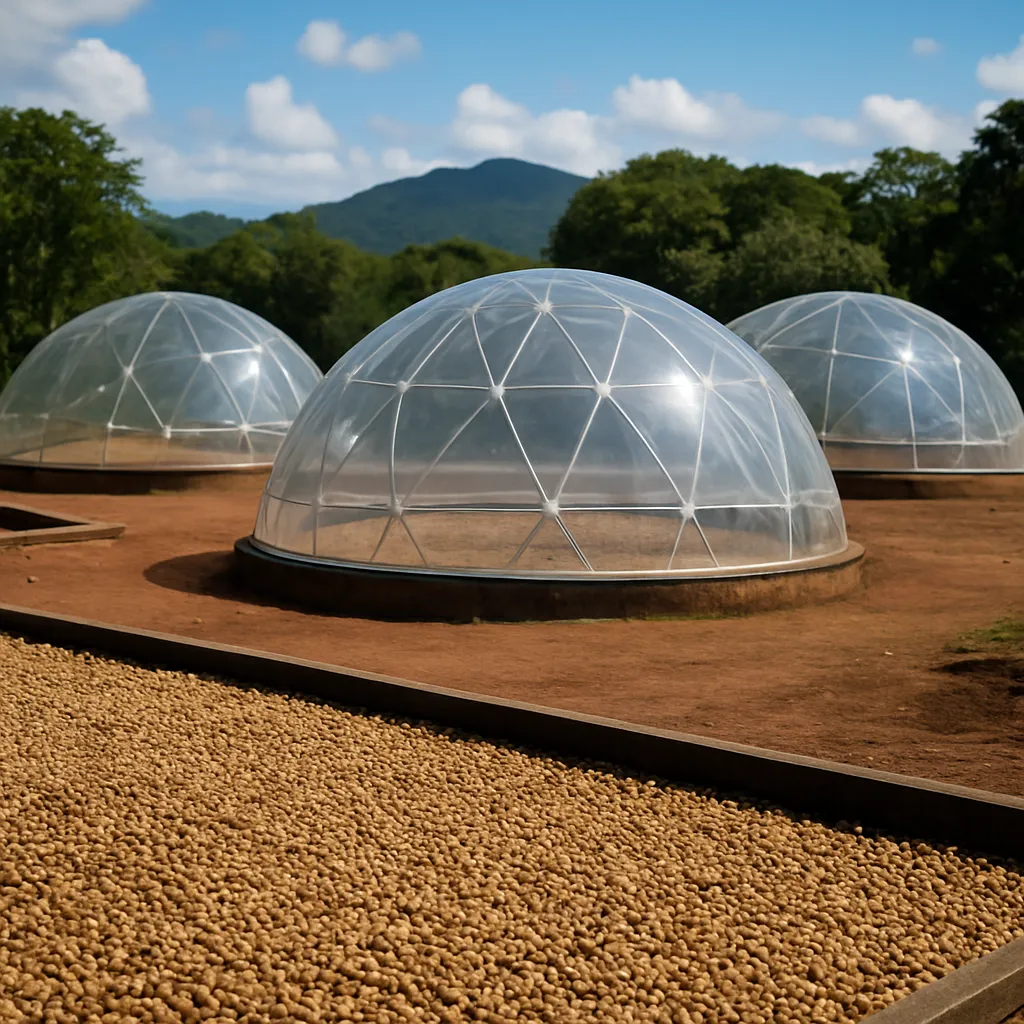
Solar domes represent an innovation in post-harvest coffee processing, offering an enclosed greenhouse-like environment optimized for drying beans. Constructed with UV-resistant transparent panels, these domes capture and retain heat, creating a stable microclimate that accelerates moisture evaporation. Key features include:
- Renewable energy source: sunlight is free and abundant in many coffee-growing regions.
- Adjustable vents and fans to regulate airflow and temperature.
- Insulated floors to prevent heat loss and contamination from ground moisture.
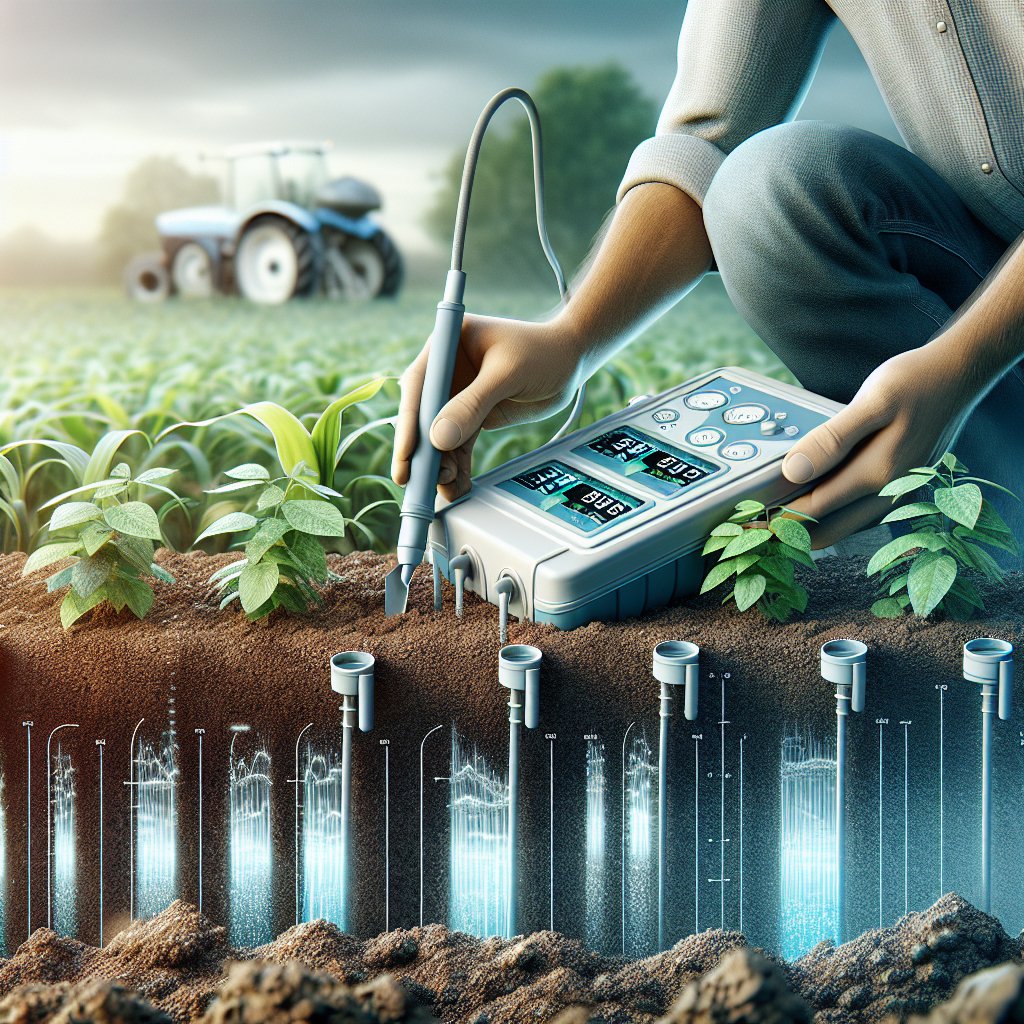
- Integrated monitoring systems tracking humidity, temperature, and drying progress.
By combining passive solar gain with active ventilation, solar domes deliver precise control over drying curves. This environment reduces the risk of over-drying or mold development, common issues when relying on open patios or mechanical dryers. Additionally, the transparent panels can diffuse harsh rays, protecting beans from sunscald and preserving flavor compounds that contribute to the coffee’s aromatic profile.
Advantages of Solar Drying
Transitioning to solar-based drying methods yields multiple benefits for farmers, cooperatives, and end consumers:
- Emissions Reduction: Eliminates the need for diesel or wood-fired burners, cutting greenhouse gases and deforestation pressures.
- Cost Savings: Lowers operational expenses by removing fuel purchases while providing a predictable energy supply.
- Enhanced quality: Consistent drying conditions maintain bean integrity, leading to higher cupping scores and market premiums.
- Year-Round Operation: Controlled environments allow drying even during rainy or cloudy seasons, reducing harvest backlogs.
- Scalability: Modular dome designs can be expanded or relocated to match changing estate sizes or terrain challenges.
Smallholder producers gain particular advantage through community-shared solar domes. By pooling resources, artisans can access advanced infrastructure that would otherwise be cost-prohibitive. Furthermore, collective ownership fosters knowledge exchange on best practices, resulting in continuous process improvements and stronger group bargaining power when negotiating supply contracts.
Implementation Strategies
Successful deployment of solar domes depends on careful planning and stakeholder engagement. The following steps outline a strategic framework:
- Site Assessment: Evaluate solar irradiance patterns, altitude, and prevailing wind conditions to position domes for maximum sunlight exposure.
- Design Customization: Tailor dome dimensions and materials based on expected daily harvest volumes and local climate variables.
- Training Programs: Conduct workshops on temperature-humidity monitoring, ventilation management, and bean handling protocols.
- Maintenance Plans: Establish regular inspection schedules for panels, seals, and mechanical components to prevent leaks and performance loss.
- Data Collection: Implement simple digital tools or logbooks to record drying metrics and troubleshoot deviations.
Partnerships with research institutions and NGOs can facilitate access to renewable energy grants, offsetting initial capital costs. Moreover, extension services help farmers adopt integrated pest management and quality assurance standards, ensuring that beans exiting solar domes meet international export requirements.
Environmental and Social Impact
Integrating solar drying technology advances not only ecological goals but also social well-being. When communities shift away from wood-burning or diesel generators, they experience:
- Improved air quality, reducing respiratory risks for workers and nearby residents.
- Conservation of local forests, preserving biodiversity and watershed protection.
- Strengthened resilience to fuel price volatility, stabilizing production costs and incomes.
- Opportunities for women and youth, who often manage post-harvest tasks and can lead cooperative enterprises.
From an ecological standpoint, lower emissions contribute to regional climate mitigation efforts. Solar domes also consume less water compared to washing stations that rely on external drying beds, supporting sustainable water management in drought-prone landscapes. Socially, transparent processes build trust among stakeholders, enhancing traceability for specialty markets that value ethical sourcing and environmental stewardship.
Future Outlook and Innovations
Ongoing research into advanced materials and energy storage promises to further refine solar drying capabilities. Emerging technologies include:
- Phase-change materials integrated into dome panels to buffer temperature fluctuations.
- Remote sensing and IoT-enabled sensors for real-time monitoring via mobile applications.
- Hybrid systems combining photovoltaic panels with dome structures to power auxiliary fans during low-light periods.
These developments aim to overcome current limitations, such as reliance on consistent sunlight and manual adjustments. By leveraging smart controls and adaptive designs, producers can achieve uniform drying profiles, regardless of weather variability. The evolving landscape of innovation in agricultural technology underscores a shared commitment to preserving coffee’s future—ensuring that every cup represents ecological balance, social equity, and exceptional flavor.