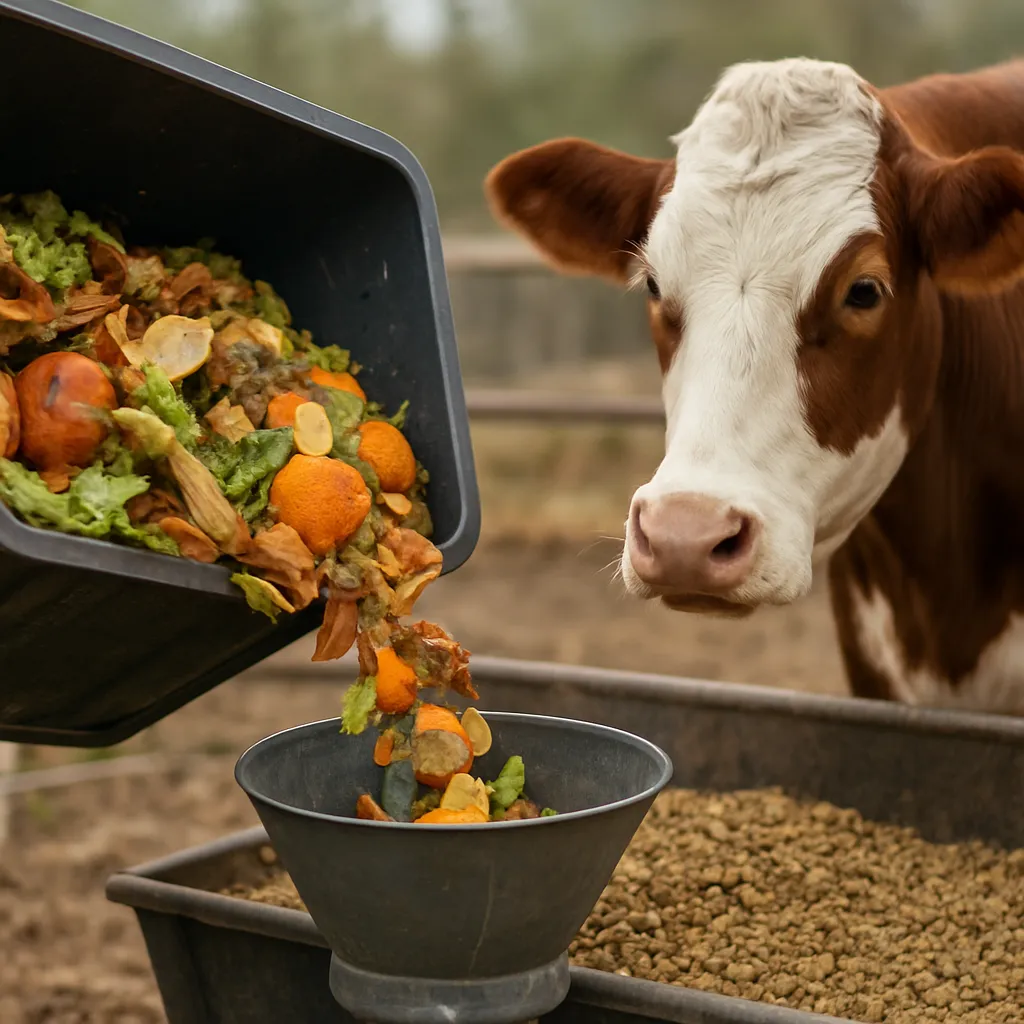
The conversion of surplus food into valuable feedstock represents a transformative opportunity within the agricultural sector. By embracing innovative methods and integrating advanced processing techniques, stakeholders in farming and livestock management can harness untapped resources, reduce waste, and bolster both economic and environmental resilience.
The Challenge of Food Waste in Agriculture
Global food systems generate millions of tons of nutrient-rich waste each year, stemming from processing operations, retail surplus, and household discards. This waste not only embodies lost economic value but also contributes significantly to environmental burdens such as greenhouse gas emissions and soil degradation. Traditional disposal methods—including composting and landfilling—fail to fully exploit the intrinsic value contained within these by-products. As a result, a paradigm shift is necessary to drive a circular economy model that reclaims resources and mitigates ecological impact.
Key sources of food waste suitable for conversion into animal feed include:
- Fruit and vegetable pulp from juicing and canning industries
- Cereal by-products like bran, husks, and spent grains
- Dairy residuals such as whey and permeate
- Bakery waste including stale bread and pastry offcuts
- Meat and fish trimmings following primary processing
Each category presents unique compositional characteristics, requiring tailored processing protocols to ensure feed safety, nutritional adequacy, and shelf stability. Overcoming logistical hurdles—such as collection, sorting, and pre-treatment—remains a priority for effective implementation.
Technologies for Transforming Food Waste
The biotechnological toolbox for converting food waste into high-quality feed has expanded substantially. Advances in microorganisms-driven fermentation, enzymatic hydrolysis, and thermal treatments pave the way for efficient bioconversion of complex substrates into digestible proteins, lipids, and micronutrients.
Fermentation and Enzymatic Processes
- Solid-State Fermentation: Utilizes filamentous fungi to upgrade the protein profile of lignocellulosic residues, enhancing digestibility in ruminants.
- Submerged Fermentation: Employs bacteria and yeast strains to convert dairy whey and fruit juices into microbial biomass rich in essential amino acids.
- Enzyme-Assisted Hydrolysis: Applies proteases and carbohydrases to break down complex carbohydrates and proteins, accelerating substrate solubilization and nutrient release.
Thermal and Mechanical Treatments
- Extrusion Cooking: Subjects mixed waste streams to high temperature and pressure, sterilizing pathogens and producing pelletized feed with uniform particle size.
- Pelleting and Drying: Reduces moisture content, extends shelf life, and simplifies transportation while preserving nutrient integrity.
Integration of these processes in modular facilities located near waste generation points can maximize cost-effectiveness and minimize carbon footprint. Moreover, real-time monitoring systems ensure that end products comply with stringent quality and safety standards.
Benefits for Livestock Performance and Environment
Utilizing recycled food waste as animal feed unlocks multiple advantages across economic, health, and environmental dimensions. Strategic incorporation of by-product-based diets can elevate farm productivity while reducing reliance on conventional feedstocks such as soybean meal and fishmeal.
Enhanced Nutritional Profiles
- By-products often contain residual vitamins, minerals, and bioactive compounds that support animal immune function and gut health.
- Blending diverse waste streams creates balanced rations tailored to species-specific requirements, from swine and poultry to aquaculture.
Economic and Environmental Gains
- Lower feed procurement costs—particularly critical for smallholder operations—drive improved profit margins.
- Diverting organic waste from landfills mitigates methane emissions, aligning with broader sustainability targets.
- Reduced pressure on global feed ingredient supply chains enhances resilience against market volatility.
Life-cycle assessments consistently demonstrate that each ton of diverted food waste translates to a measurable reduction in carbon intensity, water consumption, and soil nutrient depletion. By closing nutrient loops, agriculture moves towards zero-waste objectives and fosters long-term ecosystem health.
Implementation Strategies and Regulatory Considerations
Successful deployment of food-waste-to-feed initiatives requires coordination among food processors, logistics providers, feed formulators, and regulatory bodies. Key steps include:
- Establishing collection networks with standardized sorting protocols
- Investing in pilot-scale processing to validate bioconversion efficacy
- Engaging with authorities to ensure regulatory compliance on contaminant limits, pathogens, and labeling
- Training farmers and feed mill operators on storage best practices to prevent spoilage
- Securing market acceptance through on-farm trials and feeding performance data
Emerging policy frameworks in many regions now incentivize circular-feed production via tax credits, grants, and technical assistance. Industry collaborations—such as public-private partnerships—spur innovation, expedite knowledge transfer, and de-risk investments in advanced processing plants.
By adopting a holistic approach that intertwines technology, policy, and stakeholder engagement, the agricultural sector can transform food waste from a disposal burden into a cornerstone of resilient, sustainable livestock production systems.