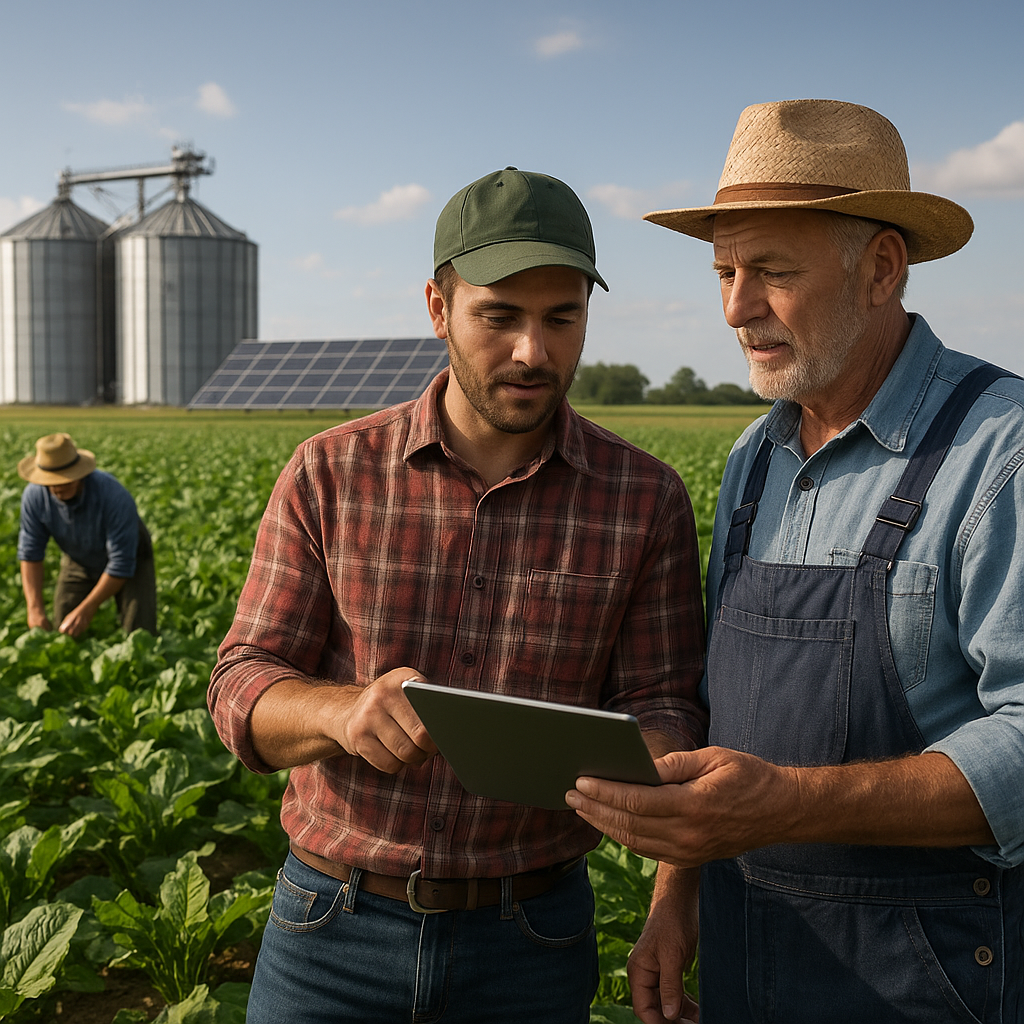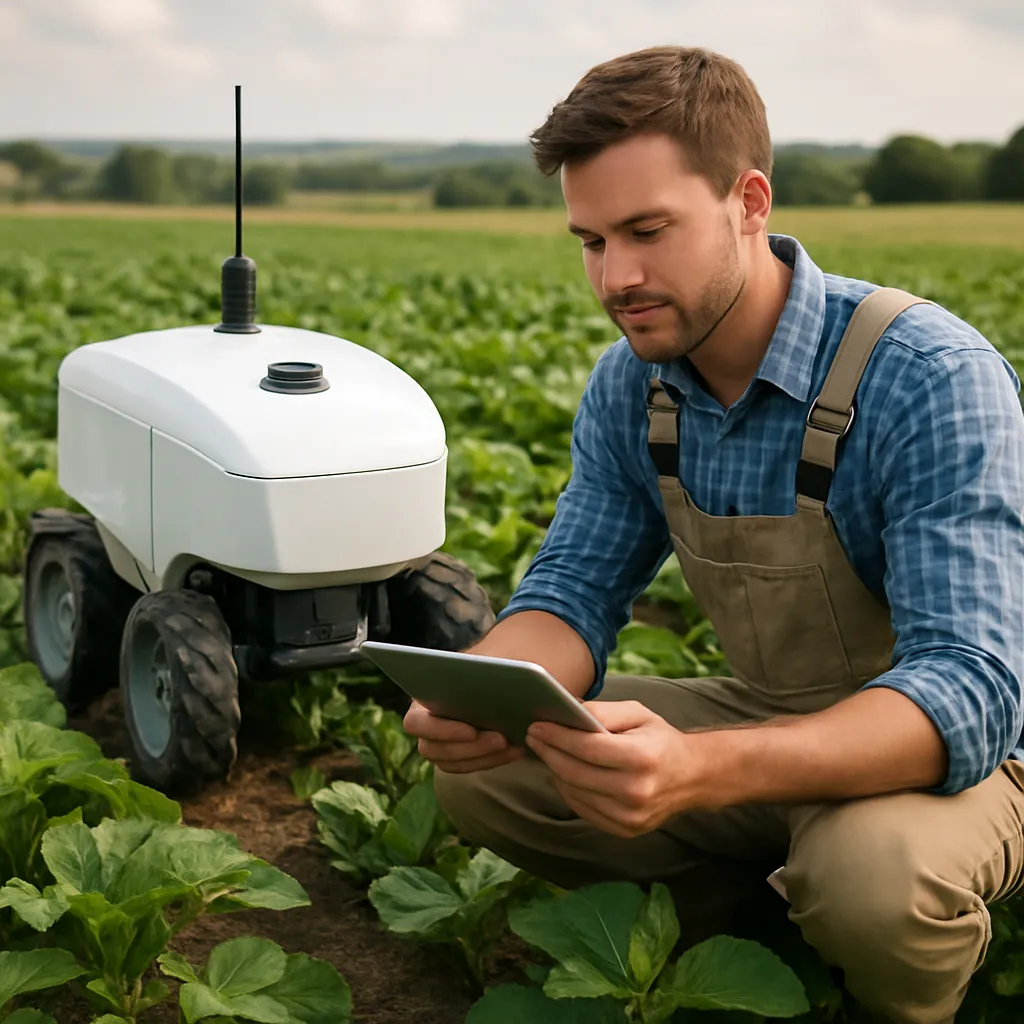
The intersection of technology and agriculture has given rise to a wave of startups transforming the way small farms operate. By integrating cutting-edge tools like sensors, data analytics, and automation, these ventures are empowering growers to boost yields, reduce waste, and connect directly with consumers. This article explores key innovations shaping the future of small-scale agriculture and highlights how nimble AgriTech companies are overcoming traditional barriers.
Harnessing Precision Agriculture and IoT
Precision agriculture leverages sensors, GPS-enabled devices, and the Internet of Things (IoT) to collect real-time data on soil conditions, crop health, and weather patterns. Small farmers can deploy compact sensor arrays across fields, capturing granular insights into moisture levels, nutrient content, and temperature fluctuations. By analyzing this data, growers make informed decisions about irrigation, fertilization, and pest control, driving greater efficiency and resource conservation.
Smart Sensors and Automated Irrigation
IoT-based soil moisture sensors feed data to cloud platforms, triggering automated irrigation systems when thresholds are reached. This approach prevents overwatering and reduces energy consumption. A growing number of startups offer modular kits that integrate seamlessly with existing pump systems, allowing even remote farms to harness automation without large upfront investments.
- Wireless soil probes transmitting via LoRaWAN
- Solar-powered weather stations providing localized forecasts
- Drone-mounted multispectral cameras for crop imaging
Data Analytics and AI-Driven Insights
Advanced algorithms process sensor outputs and satellite imagery, transforming raw numbers into actionable recommendations. By applying machine learning, platforms predict disease outbreaks, forecast yield potential, and optimize planting schedules. Smallholders gain access to decision-support tools previously reserved for large agribusinesses, fostering enhanced resilience in the face of climate variability.
Innovative Growing Systems: Vertical and Hydroponic Solutions
Space constraints and water scarcity pose challenges for small farmers in urban and arid regions. Vertical farming and hydroponics address these issues by stacking growing trays and circulating nutrient-rich water directly to plant roots. This soilless method slashes water usage by up to 90% compared to conventional fields and eliminates the need for chemical herbicides.
Modular Indoor Farms
Compact, shipping-container-based farms are gaining traction among entrepreneurs. These turnkey systems integrate LED lights, climate control, and automated nutrient delivery, enabling year-round cultivation of leafy greens, herbs, and microgreens. By placing units close to city centers, producers cut transportation costs and deliver fresher produce to local markets.
- Scalable rack systems maximizing vertical space
- Precision LED spectra tailored to plant growth stages
- Closed-loop water recycling for minimal waste
Community and Co-op Models
Several startups are facilitating cooperative ownership of hydroponic farms, allowing groups of smallholders to share capital and infrastructure. These models drive sustainability by pooling resources, offering training, and negotiating collective marketing deals that boost farm incomes.
Supply Chain Optimization and Market Access
The journey from field to consumer often involves multiple intermediaries, eroding profit margins for small producers. AgriTech startups are deploying digital platforms that streamline supply chains, ensure traceability, and connect farmers directly with retailers, restaurants, and end consumers.
Blockchain for Traceability
Blockchain-based ledgers record every transaction and movement of produce, from harvest to shelf. Immutable records enhance food safety by enabling rapid recalls in case of contamination. Small farms leveraging these platforms earn a premium by assuring buyers of provenance and quality.
Direct-to-Consumer Marketplaces
Online marketplaces tailored for produce allow farmers to list inventory, set prices, and arrange deliveries without relying on traditional distributors. These portals often integrate with mobile payment gateways and offer subscription services, creating stable revenue streams and fostering connectivity between growers and consumers.
- Real-time inventory management dashboards
- Route optimization for last-mile delivery
- Dynamic pricing tools responding to supply and demand
Challenges and Future Prospects
Despite remarkable progress, small-scale AgriTech ventures face hurdles such as limited access to financing, fragmented infrastructure, and steep learning curves for farmers. Addressing these challenges requires public-private partnerships, targeted grant programs, and comprehensive training initiatives. Startups are collaborating with universities, NGOs, and cooperatives to deliver extension services and hands-on workshops.
Looking ahead, emerging technologies like edge computing, robotics, and biodegradable sensors promise even greater gains in productivity and cost savings. Integrating carbon sequestration metrics and regenerative agriculture principles will further align small farming with global sustainability goals. As these innovations mature, they will empower a new generation of farmers to thrive in an increasingly competitive market.
Through relentless experimentation and a focus on farmer-centric design, AgriTech startups are galvanizing a transformation of small-scale agriculture. By harnessing digitalization, precision tools, and collaborative models, they are not only redefining how food is grown but also rewriting the economic narrative for communities around the world.