Remote irrigation monitoring empowered by mobile applications transforms traditional agricultural practices by integrating modern technology into field operations. This approach leverages advanced tools to collect, analyze, and act upon real-time data, driving unprecedented levels of efficiency and precision in water management. By harnessing the power of wireless communication, IoT-enabled sensors, and user-friendly dashboards, farmers can make informed decisions that optimize resource use and improve crop yields.
Understanding the Technology Stack
The backbone of any remote irrigation solution involves a network of devices and software modules working in harmony. These components include:
- Sensors: Soil moisture, temperature, and salinity sensors deployed at strategic points within the field provide granular insights into plant needs.
- Connectivity Modules: LoRaWAN, cellular networks, or Wi-Fi gateways transmit sensor readings to cloud platforms.
- Cloud Infrastructure: Scalable servers store and process incoming data streams, enabling real-time analytics.
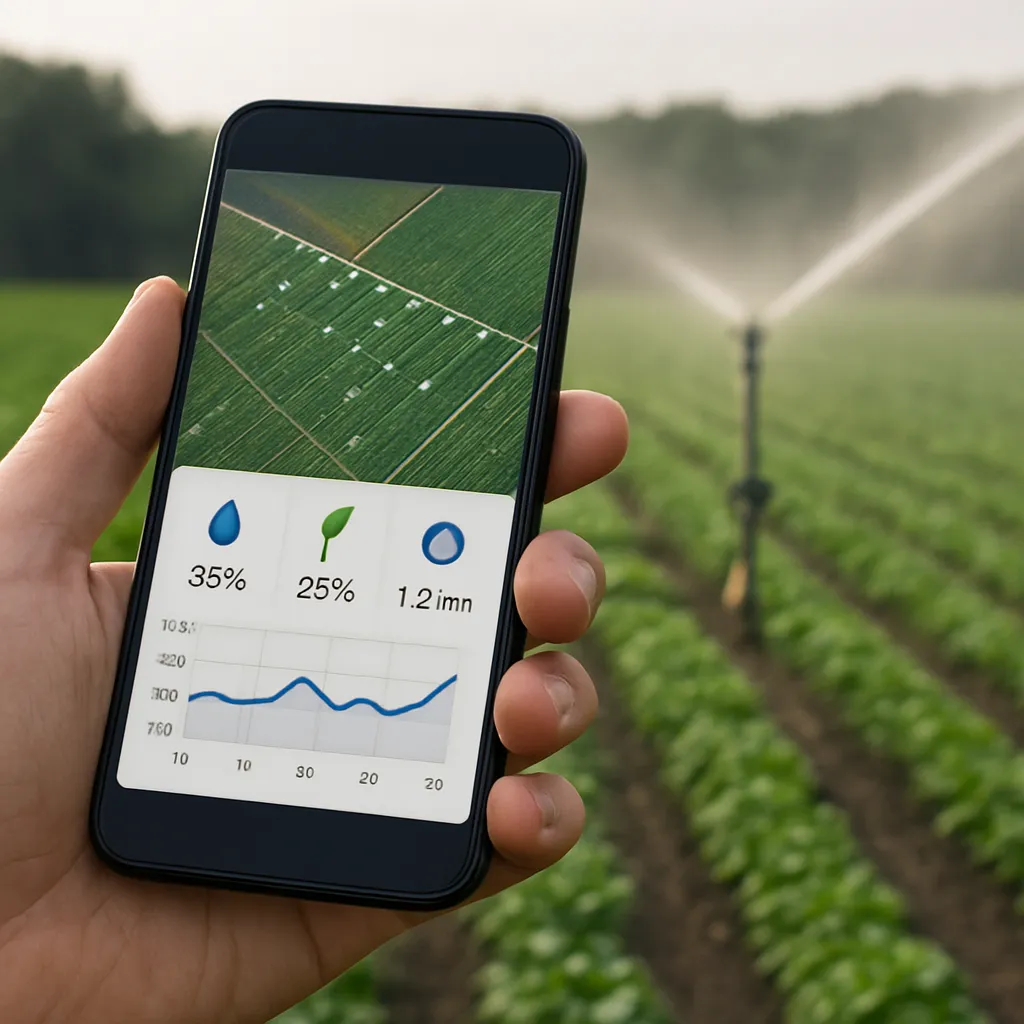
- Mobile Applications: User interfaces that display metrics, alerts, and control options, granting farmers complete visibility from anywhere.
Key Features of Modern Irrigation Sensors
Reliable sensors must withstand harsh conditions and deliver consistent performance. Critical attributes include:
- Long battery life for uninterrupted monitoring during the crop cycle.
- High accuracy to minimize false readings and ensure precise water delivery.
- Rugged construction to resist dust, moisture, and temperature fluctuations.
Enhancing Agricultural Practices with Mobile App Integration
Mobile applications serve as the command center for irrigation management, offering an array of functionalities:
- Interactive Dashboards: Visualize moisture maps, historical trends, and pump status at a glance.
- Automated Scheduling: Set irrigation routines based on crop type, growth stage, and weather forecasts.
- Alert Systems: Receive instant notifications for threshold violations or equipment malfunctions.
- Remote Control: Activate or deactivate valves, pumps, and sprinklers with a single tap.
Advantages of Data-Driven Decision Making
Implementing a data-driven approach yields numerous benefits:
- Water Conservation: Avoid over-irrigation by applying water only when and where needed.
- Labor Reduction: Replace manual checks and valve adjustments with automated processes.
- Cost Savings: Lower energy consumption through optimized pump operation and reduced chemical runoff.
- Yield Improvement: Maintain optimal growing conditions that foster healthier crops and higher production.
Driving Sustainability and Scalability
Adoption of remote irrigation monitoring aligns with global goals for sustainable agriculture. By integrating sustainability principles, farmers can:
- Preserve water resources for future generations.
- Reduce greenhouse gas emissions associated with over-pumping.
- Enhance soil health by preventing salinization and nutrient leaching.
Moreover, such systems offer unparalleled scalability, catering to operations ranging from smallholder farms to large commercial plantations. Modular design allows incremental expansion, ensuring investment protection.
Automation and Precision
Advanced irrigation platforms employ automation to orchestrate watering cycles in sync with real-time data and weather predictions. Key capabilities include:
- Valve Actuation: Automatic opening and closing based on moisture thresholds.
- Pump Regulation: Variable-frequency drives adjust flow rates for optimization.
- Integration with Weather APIs: Preemptive shutoff during rain events.
Challenges and Future Directions
While remote irrigation monitoring offers transformative potential, several obstacles must be addressed for widespread adoption:
- Connectivity Gaps: Rural areas often suffer from limited internet access, hindering connectivity.
- Initial Investment: Upfront costs for sensors, gateways, and software licensing can be prohibitive for small-scale farmers.
- Data Management: Handling vast datasets requires robust storage solutions and cybersecurity measures.
- User Training: Farmers need practical guidance to leverage digital tools effectively.
Looking ahead, emerging innovations promise to elevate the field further. Artificial intelligence and machine learning algorithms will analyze historical and live data to generate predictive irrigation schedules. Drone-based surveys could complement ground sensors by mapping moisture distribution over large tracts. Enhanced battery technologies and energy harvesting will extend device lifespans, boosting system mobility and autonomy.
Ultimately, the convergence of IoT, cloud computing, and mobile platforms heralds a new era for agriculture. By embracing these advancements, the sector can achieve higher productivity, conserve vital resources, and contribute to global food security.