The integration of renewable energy technologies into the agriculture sector has opened new avenues for improving productivity while reducing environmental footprints. One such innovation is the use of biogas-powered cold storage units, which combine the principles of sustainability with practical solutions for post-harvest handling. By harnessing methane-rich gas produced from organic waste, farms can cool and preserve perishable produce, significantly reducing post-harvest losses and enhancing food security. This article explores the underlying technology, benefits for rural communities, implementation strategies, and real-world case studies illustrating the potential of decentralized refrigeration driven by on-site biogas plants.
Principles of Biogas-Powered Cold Storage Technology
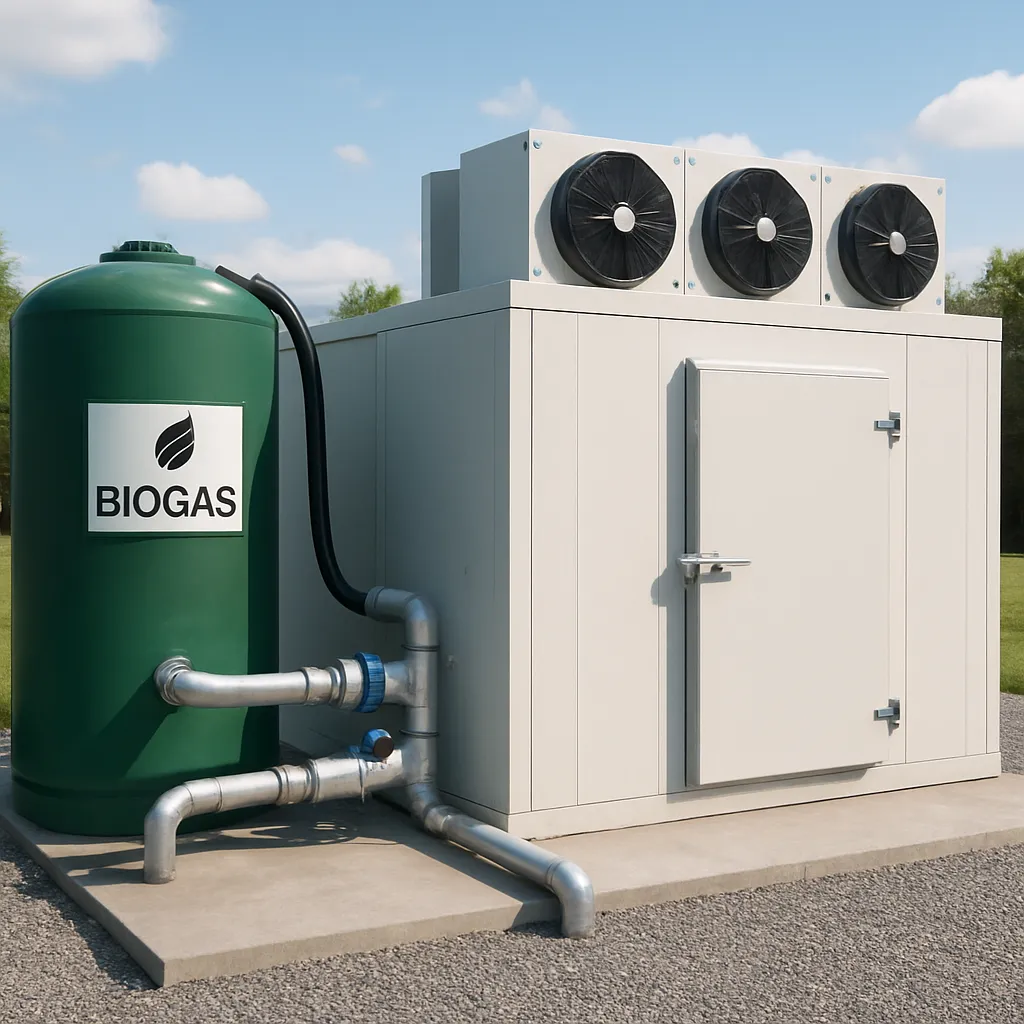
At the heart of every biogas-powered refrigeration system lies an anaerobic digestion unit, where organic materials such as crop residues, animal manure, and food waste are broken down by microorganisms in the absence of oxygen. This process produces biogas, primarily composed of methane (CH₄) and carbon dioxide (CO₂), which can be used as a fuel source. The key components of a biogas refrigeration setup include:
- Digester unit: A sealed vessel for microbial decomposition of organic matter.
- Gas storage tank: A flexible or rigid container to hold the purified biogas.
- Combustion engine or generator: Converts biogas into mechanical energy or electricity.
- Refrigeration system: Typically an absorption or vapor-compression unit adapted to run on electricity or thermal energy from biogas combustion.
- Thermal management and control: Sensors and controllers ensure stable temperatures within the cold storage chamber.
One popular configuration employs an absorption chiller, where heat released from biogas combustion drives the refrigeration cycle. This arrangement avoids reliance on grid electricity, making it especially valuable in remote or off-grid areas. Alternatively, small gas engines can generate electricity to power conventional compressor-based units. Both approaches emphasize energy efficiency and low operational costs, leveraging farm-based resources to maintain optimal storage conditions.
Benefits for Agricultural Communities
Implementing biogas-powered cold storage brings a cascade of advantages for farmers and local economies. By securing a reliable cooling solution, producers can extend the shelf life of fruits, vegetables, dairy, and meat products, which translates into higher incomes and improved market access. Key benefits include:
- Reduced food waste: Minimizing spoilage and deterioration through consistent temperature control.
- Lower greenhouse gas emissions: Capturing methane that would otherwise escape into the atmosphere aligns with climate action goals.
- Increased resilience: Off-grid operation protects against power outages and infrastructure failures.
- Value addition: Enabling farmers to store produce until favorable market prices arise, boosting profitability.
- Local entrepreneurship: New business models around biogas maintenance, cold storage rental, and supply chain coordination.
The deployment of these systems fosters decentralized energy production, empowering rural communities to manage their own resources. By converting livestock waste into usable power, livestock keepers and crop growers alike can participate in a circular economy. Moreover, the reduction in reliance on diesel generators or grid electricity cuts operational expenses and exposure to fuel price volatility.
Implementation Strategies and Technical Challenges
Deploying a biogas-powered cold storage facility involves careful planning and collaboration among stakeholders. Successful strategies often include:
- Feasibility assessment: Evaluating feedstock availability, cooling load demands, and site conditions.
- Community engagement: Training local technicians and farmers in digester operation, maintenance, and safety protocols.
- Financial modeling: Identifying subsidies, microcredit schemes, or public-private partnerships to share investment costs.
- System integration: Ensuring compatibility between the biogas plant, generator, and refrigeration unit for seamless performance.
- Monitoring and evaluation: Implementing data collection on gas production rates, energy output, and storage temperatures to optimize efficiency.
Despite the promise, several technical challenges persist. Variability in organic feedstock composition can affect biogas yield and quality, necessitating pretreatment or co-digestion strategies. Digester maintenance and risk of gas leaks require robust safety measures, including pressure relief valves and flame arrestors. The initial capital investment for combined biogas-refrigeration systems can be high, making access to affordable finance critical. Additionally, seasonal fluctuations in cooling demand and gas production call for buffer storage solutions or hybrid systems that integrate solar PV or conventional grid backup.
Operational Best Practices
To maximize system reliability and longevity, operators should adopt the following best practices:
- Routine inspection of digester seals, piping, and valves to prevent leaks.
- Regular desludging of digesters to maintain active microbial communities.
- Calibration of temperature and pressure sensors to ensure accurate control of cold storage conditions.
- Training programs for local technicians on troubleshooting biogas engines and refrigeration compressors.
- Implementing an automated data-logging system for proactive maintenance scheduling.
Case Studies: Transformative Impact
Village Cooperative in Southeast Asia
A network of smallholder farmers joined forces to install a community-scale biogas digester linked to multiple cold storage units. By pooling manure and crop residue, they achieved stable gas production year-round. The refrigeration system maintained temperatures between 2°C and 5°C, allowing the cooperative to export off-season mangoes and bananas, doubling their income within 18 months.
Dairy Farm in East Africa
A medium-sized dairy enterprise integrated an on-site digester to process cow manure, providing electricity for milk-cooling tanks. The cold chain enhancement reduced bacterial growth in raw milk, extending shelf life from two days to five days. Farmers reported a 30% increase in milk sales due to wider market reach and higher quality standards.
Greenhouse Vegetable Producer in Latin America
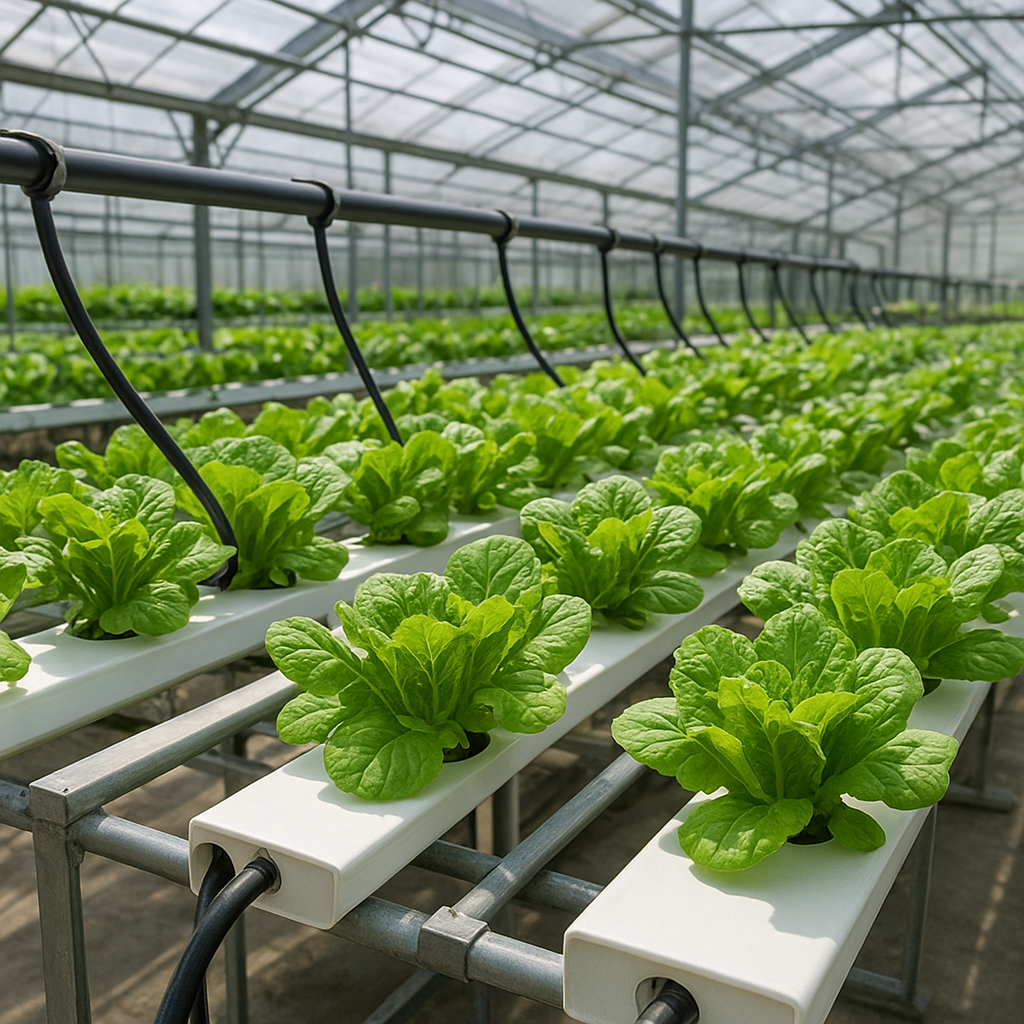
This innovator paired a biogas engine with a solar-thermal absorption chiller to regulate temperatures within greenhouse tunnels. The combined system delivered reliable cooling, preventing heat stress in delicate tomatoes and peppers. Lower spoilage rates and improved fruit set elevated yields by 15% while cutting diesel consumption by over 80%.
By demonstrating tangible economic and environmental gains, these examples inspire replication across diverse agroecological contexts. Collaborative frameworks involving government agencies, NGOs, and private sector partners can accelerate the adoption of biogas-driven refrigeration, advancing both rural development and global climate objectives.