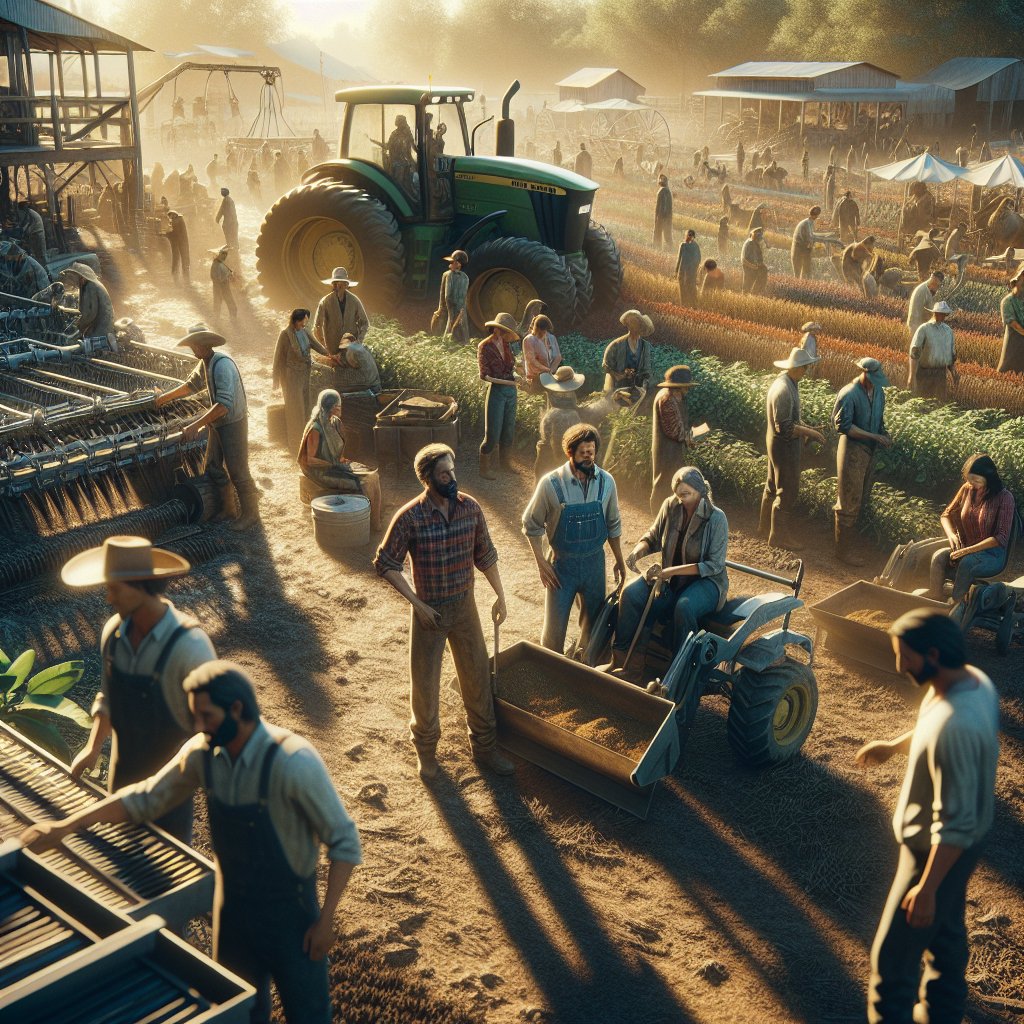
Agroforestry represents a dynamic land-use approach that integrates **trees**, **crops**, and sometimes **livestock** on the same parcel, creating multifunctional landscapes. By combining perennial woody species with annual or perennial understory crops, this practice enhances **sustainability**, optimizes resource use, and builds **resilience** against climatic stresses. Farmers worldwide are turning to agroforestry as a nature-based solution to mitigate environmental challenges, bolster food security, and improve rural **livelihoods**.
Agroforestry Systems and Their Components
At its core, agroforestry blends **silviculture** (tree cultivation) with agriculture, forming systems that range from simple to complex. Key configurations include:
- Alley cropping: Rows of trees alternated with wide alleys of crops, enabling efficient mechanization and diversified output.
- Silvopasture: Integration of trees with pasture and grazing livestock, offering shade, fodder, and wood products.
- Forest farming: Cultivation of high-value specialty crops (e.g., mushrooms, medicinal herbs) beneath an existing forest canopy.
- Windbreaks and shelterbelts: Linear plantings that protect fields and livestock from wind damage, reduce evaporation, and limit soil erosion.
- Home gardens: Intensively managed plots near residences combining fruit trees, vegetables, herbs, and small animals for household consumption.
Benefits for Soil Health and Biodiversity
One of the most profound impacts of agroforestry lies in improved **soil fertility**. Through leaf litter, root turnover, and mulching, trees add organic matter, supporting microbial life and enhancing nutrient cycling. Deep-rooted tree species mine subsoil nutrients, making them available to shallow-rooted crops. These interactions foster long-term productivity and reduce the need for synthetic fertilizers.
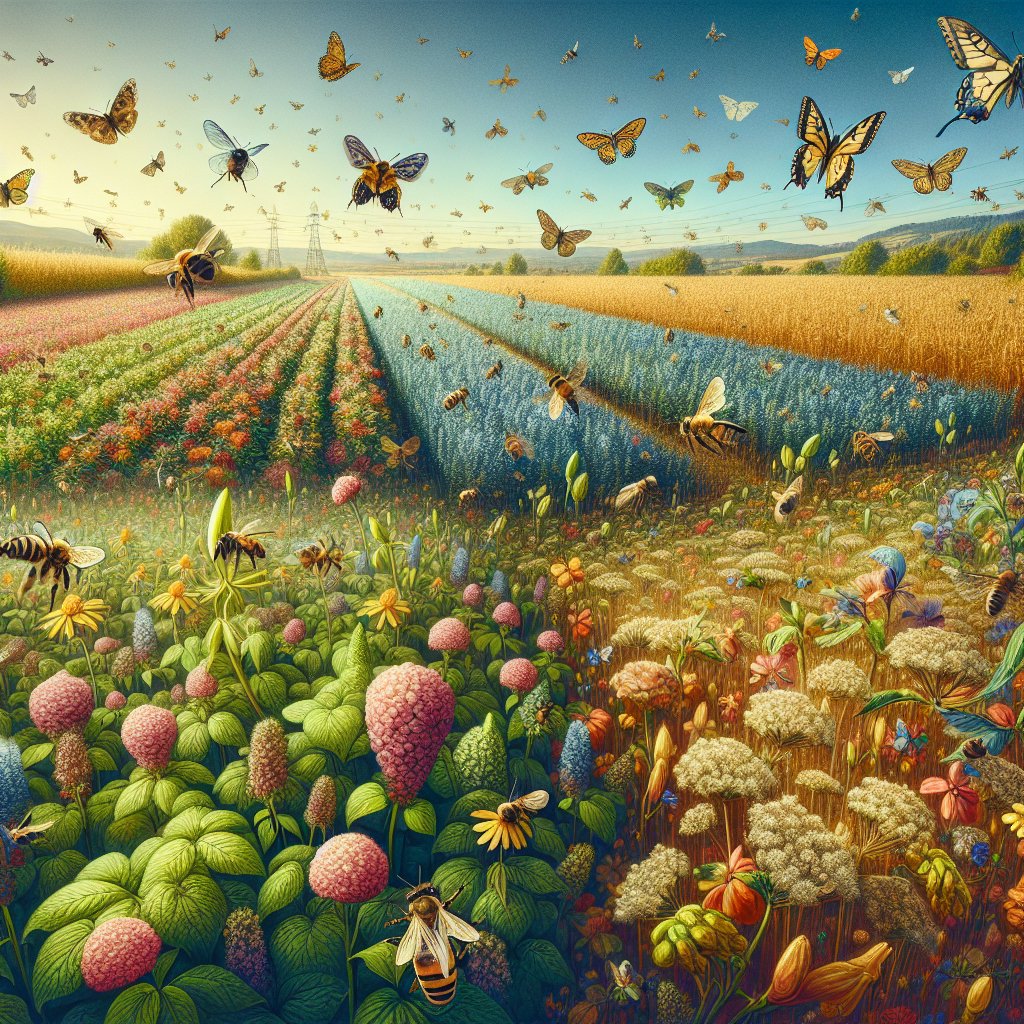
Moreover, agroforestry systems serve as biodiversity hotspots. The structural diversity—vertical layering from canopy to soil—provides habitats for pollinators, birds, and beneficial insects. By promoting a variety of niches, farmers support natural pest predators, **ecosystem services** that decrease reliance on chemical pesticides. In many regions, incorporating native trees into farmland corridor networks reconnects fragmented habitats, boosting overall landscape connectivity.
Climate Resilience and Carbon Sequestration
As global temperatures rise and weather patterns become erratic, the **climate-smart** design of agroforestry systems helps farmers buffer extreme events. Tree canopies reduce heat stress on crops, while root networks stabilize soils against heavy rains. During droughts, deeper roots access stored moisture, supporting understorey crops when rainfall is scarce.
Carbon sequestration is a hallmark of these systems. Trees store carbon both aboveground in trunks and branches and belowground in roots and soil organic matter. Compared to monocultures, diversified agroforestry plots can sequester two to four times more carbon per hectare. When scaled regionally, these sequestration rates contribute significantly to national **climate mitigation** targets, aligning with international agreements.
Water Management and Microclimate Regulation
Trees in agricultural landscapes influence hydrological cycles. Their canopies intercept rainfall, reducing surface runoff and soil erosion. Infiltration rates improve as roots create channels, allowing more water to percolate into the ground, replenishing aquifers. During dry spells, tree shade lowers soil temperatures, slowing evaporation and preserving moisture for understory crops.
Microclimate regulation is particularly crucial in arid and semi-arid regions. Strategic placement of windbreaks and shelterbelts can reduce wind speed by up to 50%, decreasing evapotranspiration and protecting young seedlings. Such localized climate modification helps stabilize yields under variable conditions.
Socio-Economic Impacts and Farmer Adoption
While ecological benefits are well-documented, socio-economic outcomes drive real-world adoption. Agroforestry offers multiple streams of income. Farmers harvest timber, fuelwood, fruits, nuts, and other non-timber products alongside staple crops. This diversification reduces risk: if one product fails due to disease or market fluctuations, others may still generate revenue.
Integrated systems often require initial investments—seedlings, fencing, training—which can deter smallholders. However, public policies, extension services, and microfinance initiatives have lowered barriers. In several countries, payments for **ecosystem services** (PES) incentivize tree planting by compensating landowners for carbon storage, watershed protection, or biodiversity conservation. Such schemes strengthen the business case for agroforestry and foster community-level collaborations.
Best Practices for Implementation
Successful adoption hinges on site-specific design, local knowledge, and long-term planning. Recommendations include:
- Conducting soil and climate assessments to select appropriate tree and crop species combinations.
- Engaging farmers in participatory design workshops to align systems with cultural preferences and labor availability.
- Implementing phased planting approaches, starting with fast-growing pioneer trees to deliver early benefits.
- Monitoring tree-crop interactions regularly to optimize spacing, pruning regimes, and nutrient management.
- Facilitating farmer-to-farmer knowledge exchange to disseminate lessons learned and maintain community support.
Scaling Up and Policy Frameworks
Transitioning from experimental plots to landscape-level adoption requires supportive policies. National agroforestry strategies, integrated into agricultural and forestry extension programs, can guide investments. Key policy measures include:
- Land tenure security to ensure farmers benefit from long-term tree investments.
- Subsidies or tax incentives for agroforestry tree seedlings and equipment.
- Institutional coordination among agricultural, forestry, and environmental agencies to harmonize objectives.
- Inclusion of agroforestry in climate action plans to unlock international funding streams.
By embedding agroforestry into rural development agendas, governments can unlock a powerful tool for sustainable and **climate-resilient** agriculture.
Future Perspectives and Innovations
Emerging technologies and research continue to refine agroforestry practices. Remote sensing and geographic information systems (GIS) help map suitable zones and monitor canopy cover changes. Advances in tree breeding accelerate the development of **drought-tolerant** and fast-growing varieties. Digital platforms connect farmers to markets, enabling the certification and sale of agroforestry products with eco-labels.
Looking ahead, integrating agroforestry with precision agriculture—using soil moisture sensors, variable-rate irrigation, and data analytics—can further optimize resource use. Combining traditional ecological knowledge with cutting-edge science positions agroforestry as a cornerstone of **sustainable** and profitable farming in the decades to come.