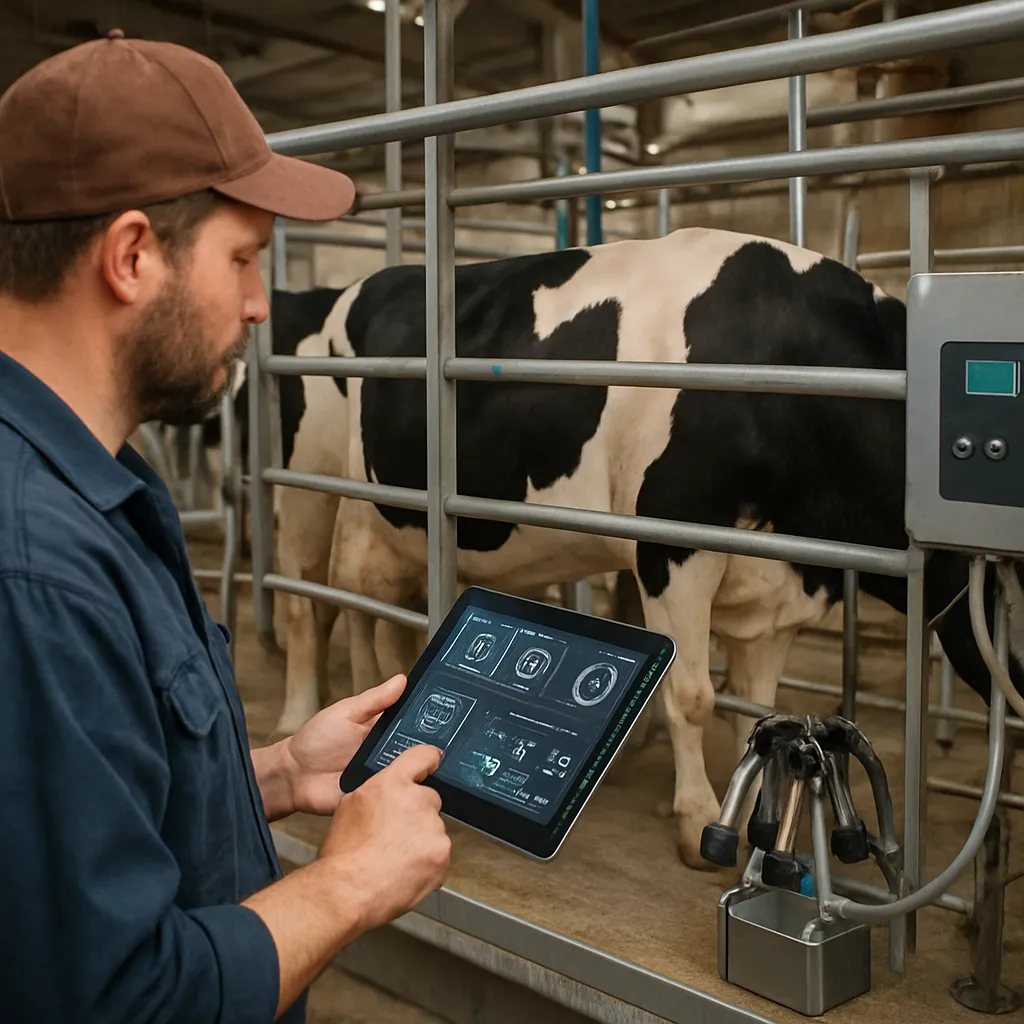
Remote-controlled milking systems have revolutionized modern dairy farming by leveraging advanced automation and intelligent design. These systems integrate cutting-edge technology to streamline milking processes, improve herd health, and boost overall productivity. As farms worldwide seek to optimize labor resources and reduce operational costs, the shift toward robotic and remote-managed solutions becomes increasingly vital.
History and Evolution of Milking Technology
The journey from manual hand milking to fully remote-controlled systems spans over a century. Early 20th-century farms relied on basic mechanical pumps to alleviate labor intensity, but these devices offered limited efficiency gains and posed hygienic challenges. By the 1970s, pipeline milking parlors standardized the milking workflow, enabling simultaneous milking of multiple cows. Still, human operators were indispensable for attaching milking units and monitoring each quarter.
Early Mechanization and Pipeline Parlors
- Introduction of vacuum-based teat cups
- Fixed milking stalls and pipeline networks
- Basic timers and vacuum regulators
While pipeline parlors boosted throughput compared to bucket milking, the dependence on skilled labor and strict milking schedules remained a bottleneck.
Emergence of Robotic Milking
In the late 1990s, the first commercial robotic milking units appeared. Combining precision sensors with programmable controllers, these machines could identify individual cows via RFID tags and automatically position milking robotic arms. Farmers began to witness significant labor savings and improved consistency in milk collection.
Advances in Sensor and Data Technologies
Over the past decade, developments in miniaturized sensors and real-time data transmission have given rise to integrated platforms capable of telemetry monitoring. Now, every milking session generates streams of data on milk yield, conductivity, temperature, and cow behavior, feeding into centralized data analytics systems for quick insights.
Core Components of Remote-Controlled Milking Systems
Modern remote-controlled milking installations consist of several interlocking modules designed for seamless operation.
Robotic Milking Units
- Automated teat detection and alignment
- Precision-controlled vacuum and pulsation
- Self-cleaning cups and pipelines
These units relieve farmers from repetitive tasks and ensure uniform milking routines, reducing stress on animals and equipment wear.
Sensor Arrays and Instrumentation
- Infrared and ultrasound for teat health checks
- Weight sensors for yield measurement
- Motion detectors to gauge cow comfort
By monitoring physiological indicators and behavior, sensors play a key role in early detection of mastitis or lameness, fostering timely interventions.
Connectivity and Data Platforms
- Cloud-based dashboards accessible via mobile apps
- Real-time alerts for abnormal metrics
- Integration with farm management software
Connectivity transforms raw data into actionable intelligence, enabling precise feeding adjustments, health treatments, and scheduling.
Benefits of Remote-Controlled Milking Systems
Adoption of these systems yields a multitude of advantages across operational, financial, and welfare dimensions.
Enhanced Productivity and Labor Optimization
Automation allows 24/7 milking without continuous human supervision. Farms can reallocate labor toward high-value tasks like herd management and maintenance, achieving superior resource utilization.
Improved Animal Welfare
Individualized milking routines cater to each cow’s natural rhythms, reducing stress and promoting udder health. Continuous monitoring ensures that issues such as udder inflammation or low yield trigger immediate alerts, safeguarding long-term well-being.
Data-Driven Decision Making
Comprehensive data logs support in-depth analysis of feed conversion rates, lactation curves, and reproductive performance. By leveraging innovation in predictive modeling, farmers can refine breeding programs and adjust herd composition for maximum profitability.
Environmental and Sustainability Gains
Remote systems often feature optimized water and detergent usage in cleaning cycles, curbing waste. Precise feed and nutrient management reduce methane emissions and manure output, contributing to more sustainability across the supply chain.
Implementation Challenges and Practical Solutions
Despite clear benefits, integrating remote-controlled milking requires careful planning and investment.
Upfront Costs and Return on Investment
Initial capital expenditures on equipment, infrastructure upgrades, and software licenses can be substantial. However, many producers recuperate costs within 3–5 years through labor savings, increased yields, and lower veterinary bills.
Infrastructure and Facility Modifications
Existing barns may need redesigning to accommodate robotic units and automated feed stations. Flooring, ventilation, and lighting adjustments are crucial for optimal machine performance and cow comfort.
Training and Change Management
Staff training is essential to ensure efficient operation of complex systems. On-site workshops, vendor-led seminars, and peer-to-peer knowledge sharing accelerate the learning curve and foster a culture of continuous improvement.
Future Trends and Technological Innovations
The trajectory of remote-controlled milking points toward even greater integration of cutting-edge tools.
Artificial Intelligence and Machine Learning
Advanced algorithms will process multispectral data to predict health issues before symptoms emerge. AI-driven maintenance forecasts can schedule service for robotic components, minimizing downtime and repair costs.
Internet of Things (IoT) Expansion
Enhanced connectivity between milking robots, feeding stations, climate controls, and manure management systems will yield a fully synchronized farm ecosystem. Real-time coordination ensures peak operational harmony.
Biometric and Genomic Integration
Sensors that analyze genomic markers may soon tailor milking schedules and nutritional plans to each cow’s unique genetic profile. This level of precision could unlock higher productivity and disease resistance.
Global Adoption and Collaborative Networks
As remote-controlled systems become more accessible, cooperative purchasing groups and shared-service models will help small-scale farmers benefit from state-of-the-art technology. Collaborative networks can also promote best practices and data-sharing initiatives.
Remote-controlled milking systems stand at the forefront of agricultural innovation, transforming the dairy industry by enhancing precision, improving animal welfare, and driving sustainable growth. With continuous technological evolution and strategic implementation, these systems will redefine the future of modern agriculture.