Innovations in farming often hinge on harnessing waste materials to bolster productivity and lower environmental impact. Recycled fabric shade nets have emerged as a game-changer, offering growers a versatile tool to moderate sunlight, conserve resources, and promote healthier plants. By integrating these nets into cultivation systems, farmers can achieve both economic and ecological gains.
Understanding Recycled Fabric Shade Nets
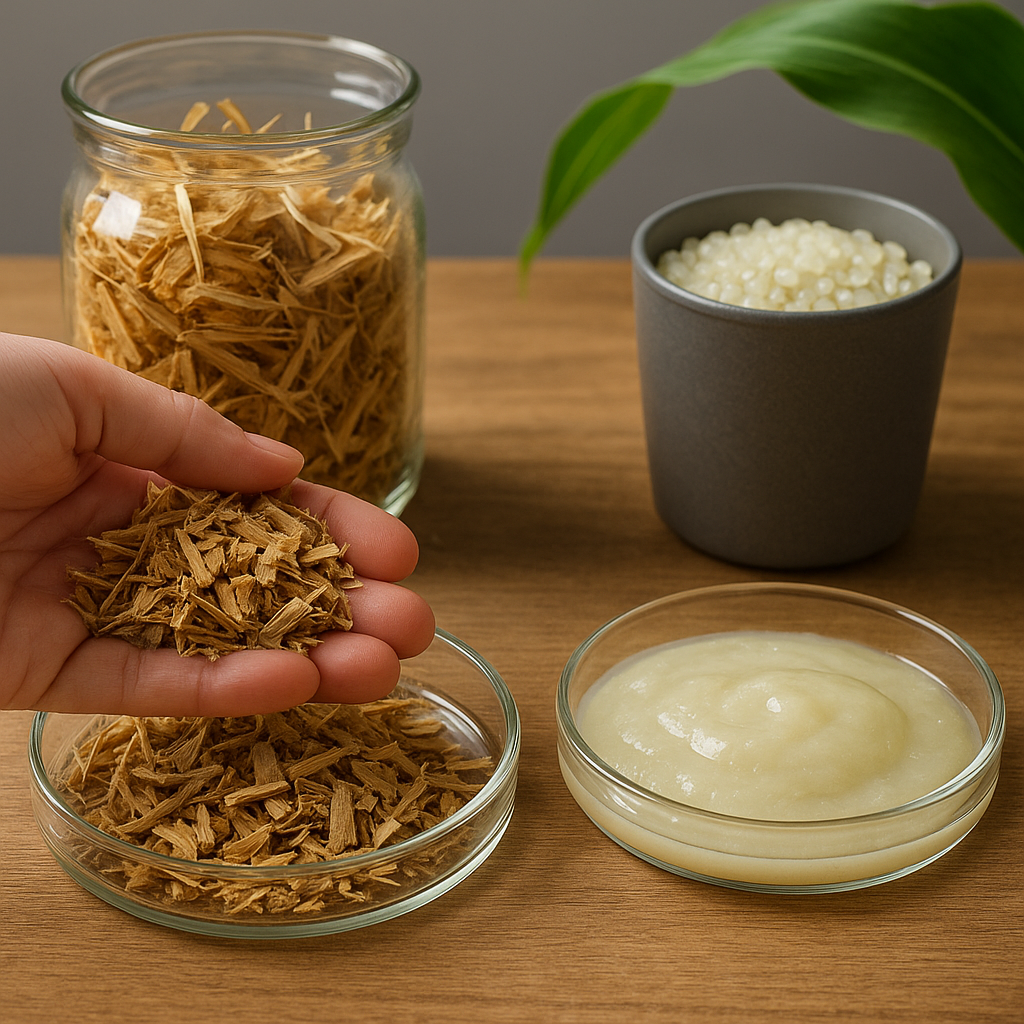
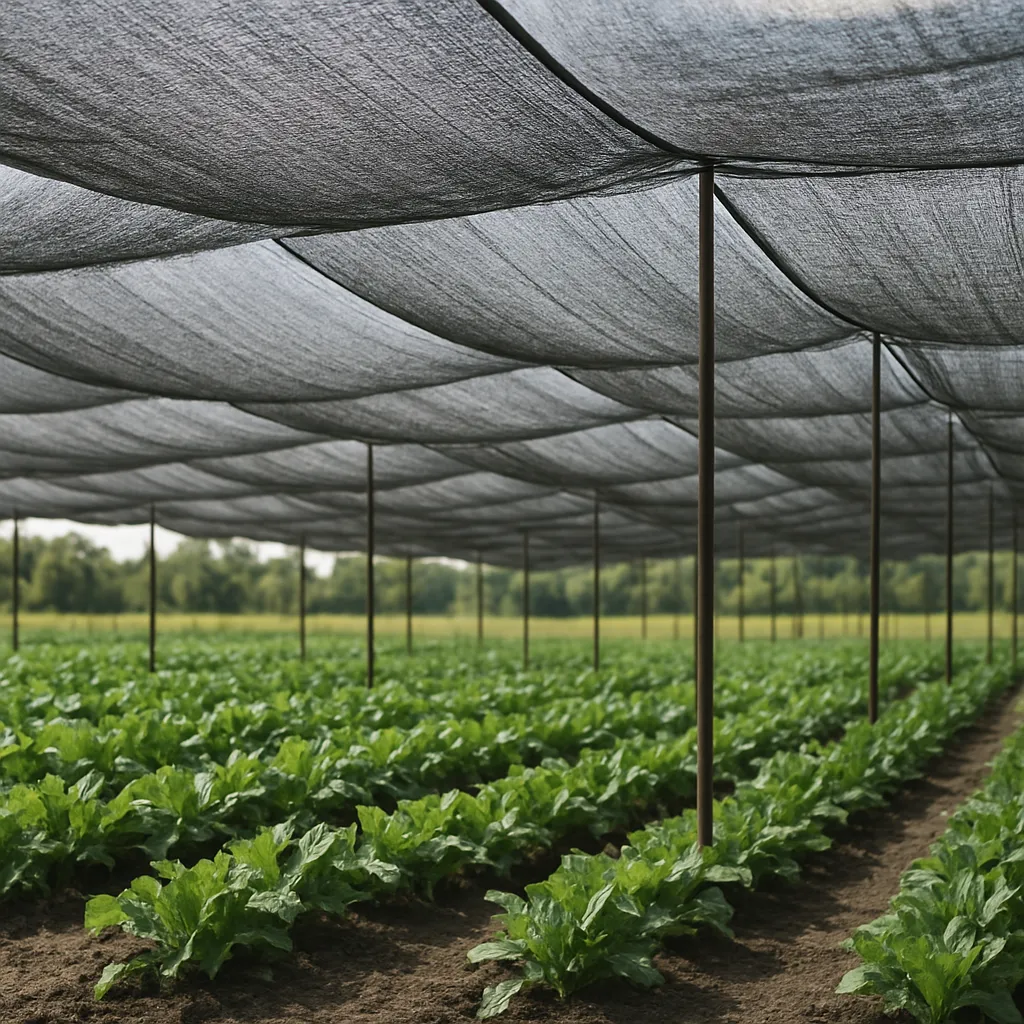
Shade nets made from reclaimed fabrics are crafted by processing post-consumer or post-industrial textile waste. Instead of ending up in landfills, these materials undergo shredding, cleaning, and reweaving to form lightweight meshes. The resulting nets possess remarkable durability and flexibility, making them suitable for a range of agricultural settings—from nurseries and greenhouses to open fields and vertical farms.
Their porous structure allows controlled passage of light and air, ensuring crops receive optimal conditions. By selecting appropriate mesh densities, growers can fine-tune the balance between shading and illumination, effectively managing heat stress and improving overall plant performance.
Key Benefits for Crop Production
- UV-protection: Recycled shade nets filter harmful ultraviolet rays while permitting beneficial light wavelengths, preventing leaf burn and reducing plant stress.
- Light diffusion: The fabric structure scatters incoming sunlight, promoting uniform light distribution and minimizing hotspots that can damage delicate tissues.
- Water conservation: By lowering evaporation rates, these nets help maintain soil moisture levels, cutting irrigation needs and saving valuable water resources.
- Temperature control: Shading maintains more stable ambient temperatures, shielding crops from excessive heat spikes that can stunt growth or impair fruit set.
- Crop-yield improvement: Studies indicate that farms using shade nets often achieve higher yields and better-quality produce due to reduced stress and more favorable microclimates.
- Cost-effectiveness: Utilizing recycled materials lowers production costs, and the extended lifespan of robust nets spreads investment over multiple seasons.
- Eco-friendly practice: Diverting textiles from waste streams and repurposing them into agricultural products embodies circular economy principles.
Design and Installation Strategies
Proper installation is crucial to unlocking the full potential of shade nets. Key considerations include:
Site Assessment and Orientation
Evaluate sun paths, prevailing winds, and topography before selecting net coverage. North-south orientation often ensures even shading throughout the day, while east-west setups may suit specific row layouts.
Support Structures
Frameworks can range from simple posts and wires to elaborate steel or aluminum gantries. Ensure anchors and tensioning systems withstand local weather conditions, including strong gusts during storms.
Mesh Density and Coverage
Shade percentages typically vary from 30% to 80%. Lower densities work well for heat-sensitive ornamentals, while higher densities offer maximum cooling for heat-loving vegetables. Partial or retractable systems afford flexibility for seasonal adjustments.
Integration with Irrigation
Combining nets with drip or misting lines can create an optimized environment. The shade reduces water loss, and timely irrigation prevents under-watering under the protective canopy.
Environmental and Economic Impact
From an ecological standpoint, recycled shade nets cut down on virgin material usage and curb textile waste. Each net diverts a measurable amount of polymer blends or natural fibers from incineration or landfill disposal.
Economically, farms benefit from lower energy costs. In controlled environments like greenhouses, shade nets reduce cooling expenses that would otherwise rely on fans or evaporative systems. Over time, the combination of extended net life and resource savings leads to significant return on investment.
Moreover, the adoption of recycled shade nets can bolster farm branding. Consumers increasingly favor produce grown with sustainability in mind, and highlighting eco-conscious techniques can open premium market channels.
Best Practices and Innovation
- Regular maintenance: Inspect nets for damage, clean them periodically to remove dirt and algae, and replace worn sections.
- Modular installations: Design systems that allow for easy expansion or reconfiguration as crop needs change.
- Combined shading and reflective mulches: Pair nets with ground covers to maximize light management and weed suppression.
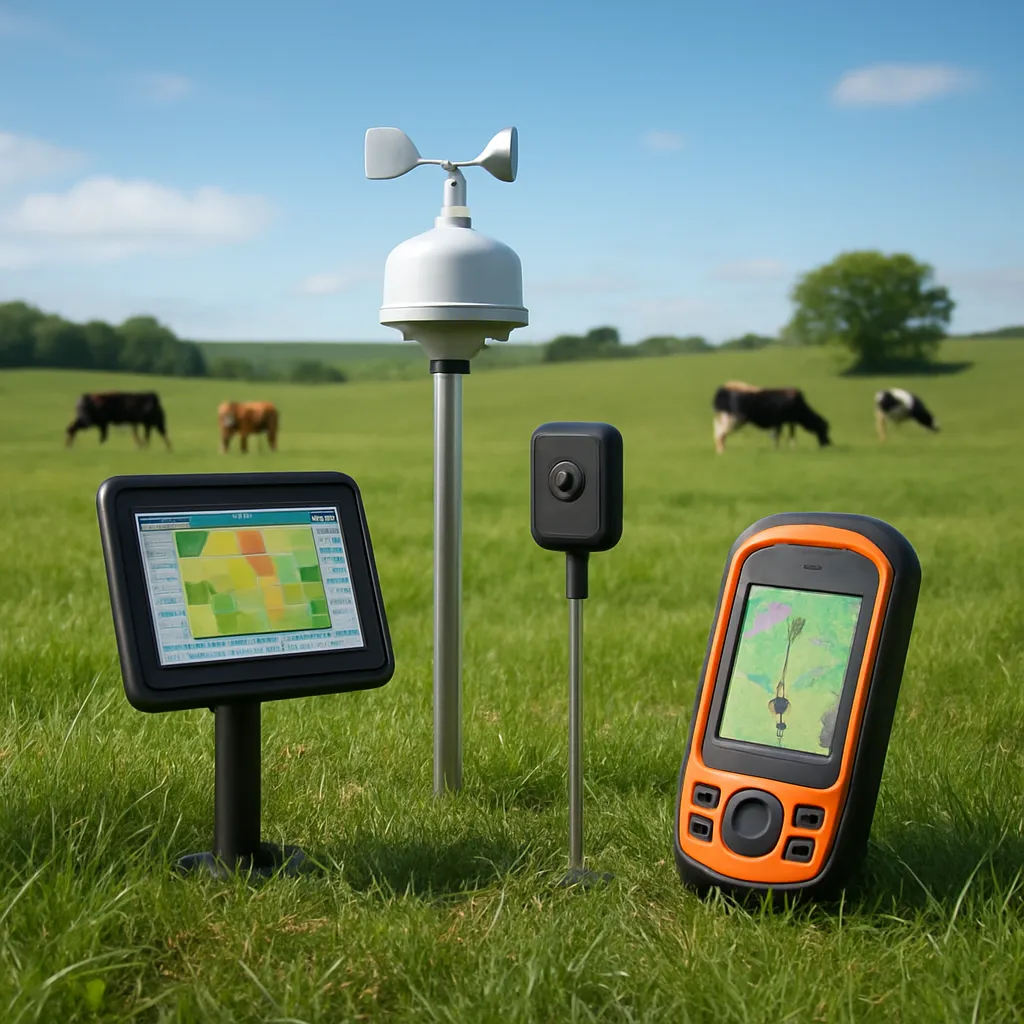
- Monitoring agro-climatic data: Use sensors to track temperature, humidity, and light levels under nets, enabling data-driven adjustments.
- Experiment with color tints: Colored nets (e.g., red, blue, or black) can modify light spectra, influencing traits like flowering time or fruit pigmentation.
- Collaboration with researchers: Partner with universities or extension services to assess local performance and refine net specifications.
As agriculture pursues greater efficiency, the integration of recycled textile products exemplifies the kind of innovation that addresses both yield goals and environmental stewardship. By leveraging the inherent strengths of reclaimed fabrics, farmers can create robust cultivation systems that thrive under varied conditions, all while championing resource renewal and waste reduction.