Advancements in technology have revolutionized modern farming, and one of the most transformative trends is AI-powered soil moisture forecasting. By combining real-time data from field devices with sophisticated computational models, growers can optimize water usage, enhance crop health, and mitigate environmental risks. This article explores how cutting-edge solutions are reshaping the way we monitor and predict soil moisture, offering unprecedented insights for precision agriculture.
Understanding Soil Moisture and Its Importance
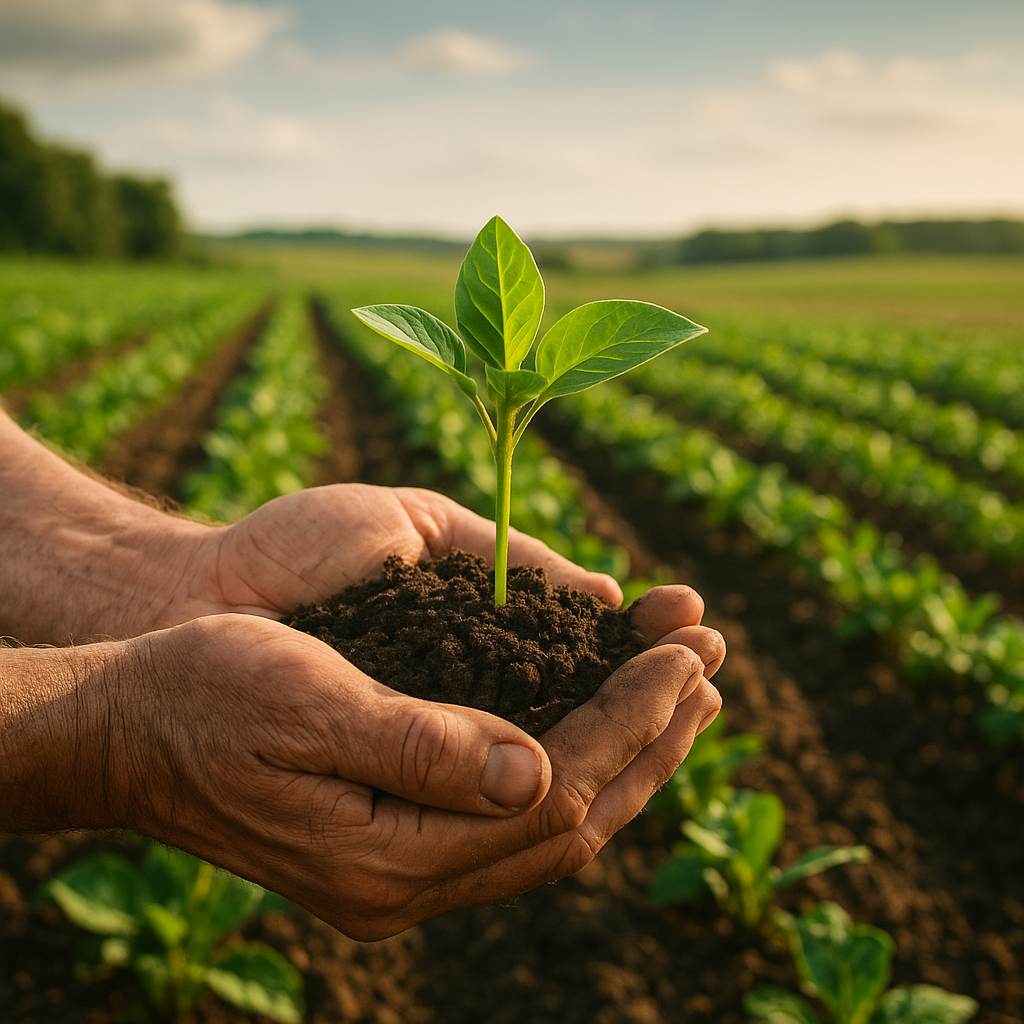
Soil moisture refers to the amount of water contained within soil pores. It directly influences seed germination, root development, and nutrient uptake. Insufficient moisture can trigger plant stress or cause irreversible damage, while excessive water can lead to root suffocation and increased susceptibility to disease. Effective management of soil moisture is critical for maintaining optimal growing conditions and maximizing yield.
Traditional methods of assessing soil moisture have relied on manual sampling, visual inspection, and basic probes. Although these techniques provide a snapshot of current conditions, they lack the spatial coverage and temporal resolution required for large-scale operations. Farmers increasingly demand more accurate, continuous measurements to ensure water resources are used responsibly and crops remain healthy throughout their lifecycle.
Integrating AI into Soil Moisture Measurement
Sensor Networks and Data Collection
Deploying a network of connected sensors across fields serves as the foundation for modern soil moisture analysis. These devices monitor moisture levels at various depths, transmitting readings via wireless links to centralized platforms. Advanced sensors deliver high-frequency data, capturing fluctuations caused by irrigation events, rainfall, and evapotranspiration. When synchronized with weather stations, remote sensing imagery, and soil type maps, this wealth of information forms a robust dataset for AI-driven interpretation.
AI Models and Machine Learning Techniques
At the core of forecasting solutions lie specialized algorithms that process raw sensor data and identify patterns over time. Supervised learning models, such as random forests and gradient boosting machines, correlate moisture measurements with environmental variables—temperature, humidity, solar radiation—to predict future soil water content. Deep learning architectures, including convolutional neural networks, can even integrate satellite imagery to capture spatial heterogeneity across large farms.
Real-Time Analytics and Decision Support
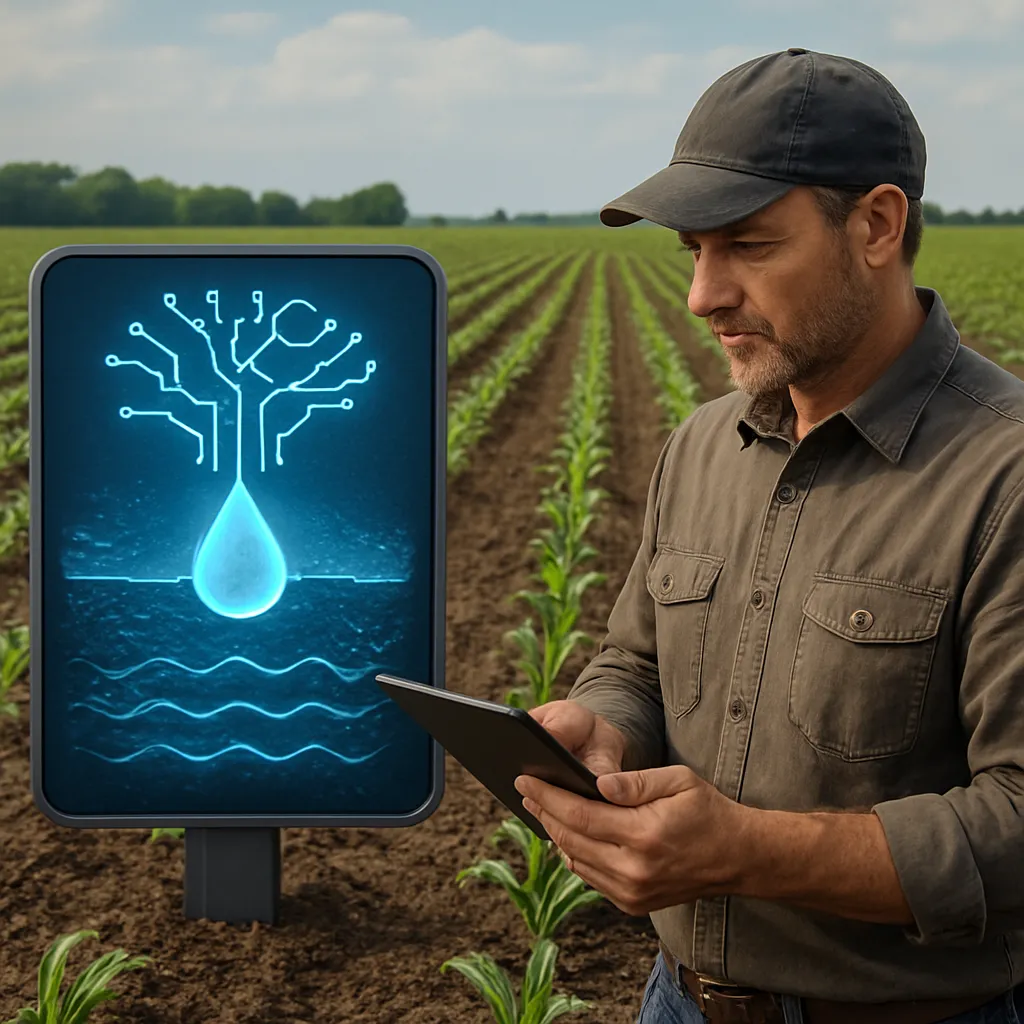
Combining predictive models with streaming data enables dynamic analytics dashboards that update in real time. Farmers receive alerts when moisture levels approach critical thresholds, allowing them to schedule irrigation precisely. Automated irrigation controllers can be linked directly to the forecasting system, executing water applications only when necessary. This level of responsiveness reduces waste, lowers energy costs, and ensures crops receive the right amount of water at the optimal time.
Benefits of AI-Powered Forecasting for Farmers
Integrating artificial intelligence into soil moisture management delivers a range of advantages:
- Enhanced precision in water delivery, minimizing both under- and over-irrigation.
- Improved crop quality and uniformity by maintaining ideal moisture levels.
- Reduced operational costs through optimized pump and valve usage.
- Heightened resilience to drought events by anticipating water deficits in advance.
- Greater environmental stewardship via targeted irrigation that conserves freshwater resources.
By leveraging predictive insights, growers can make proactive decisions that align with sustainability goals. For example, vineyards prone to water stress can dynamically adjust irrigation schedules to support grapevine health, while row crop producers can fine-tune water applications based on the growth stage of corn or soy.
Real-World Implementations and Case Studies
Several agricultural enterprises and cooperatives have adopted AI-driven moisture forecasting with remarkable success. A large-scale orchard in California’s Central Valley installed a sensor network coupled with a cloud-based AI platform. Within the first season, the team achieved a 20 percent reduction in water usage and a notable increase in fruit size and sugar content.
In Spain’s Andalusian olive groves, growers utilized machine learning models to reconcile soil readings with local weather forecasts. This approach enabled them to anticipate heatwaves and schedule supplemental irrigation just before critical stress periods. The result was a 15 percent boost in oil yield and a more stable harvest timeline, even under challenging climatic conditions.
Meanwhile, rice producers in Southeast Asia have integrated moisture forecasting into automated canal control systems. By predicting field saturation levels, water managers allocate limited water supplies more equitably across paddy fields, reducing conflicts among farmers and enhancing overall productivity.
Challenges and Future Directions
Although AI-powered soil moisture forecasting offers tremendous promise, it also presents several challenges. Data quality remains paramount—faulty sensors, communication disruptions, and inconsistent calibration can undermine model performance. Establishing reliable connectivity in remote or rugged areas often requires additional infrastructure investments.
Another hurdle involves integrating diverse data sources into unified platforms. Harmonizing satellite data, ground sensors, and weather forecasts demands standardized protocols and interoperable systems. Collaborations between technology providers, agronomists, and local extension services are essential to ensure seamless data sharing and robust forecasting capabilities.
Looking ahead, advances in edge computing will enable on-site processing of AI models, reducing latency and dependence on cloud connectivity. Novel sensing technologies, such as carbon nanotube moisture detectors and biosensors that measure plant water stress directly, will enhance predictive accuracy. Additionally, integrating economic models with soil moisture forecasts could help farmers weigh the financial impacts of irrigation decisions, optimizing both agronomic and financial outcomes.
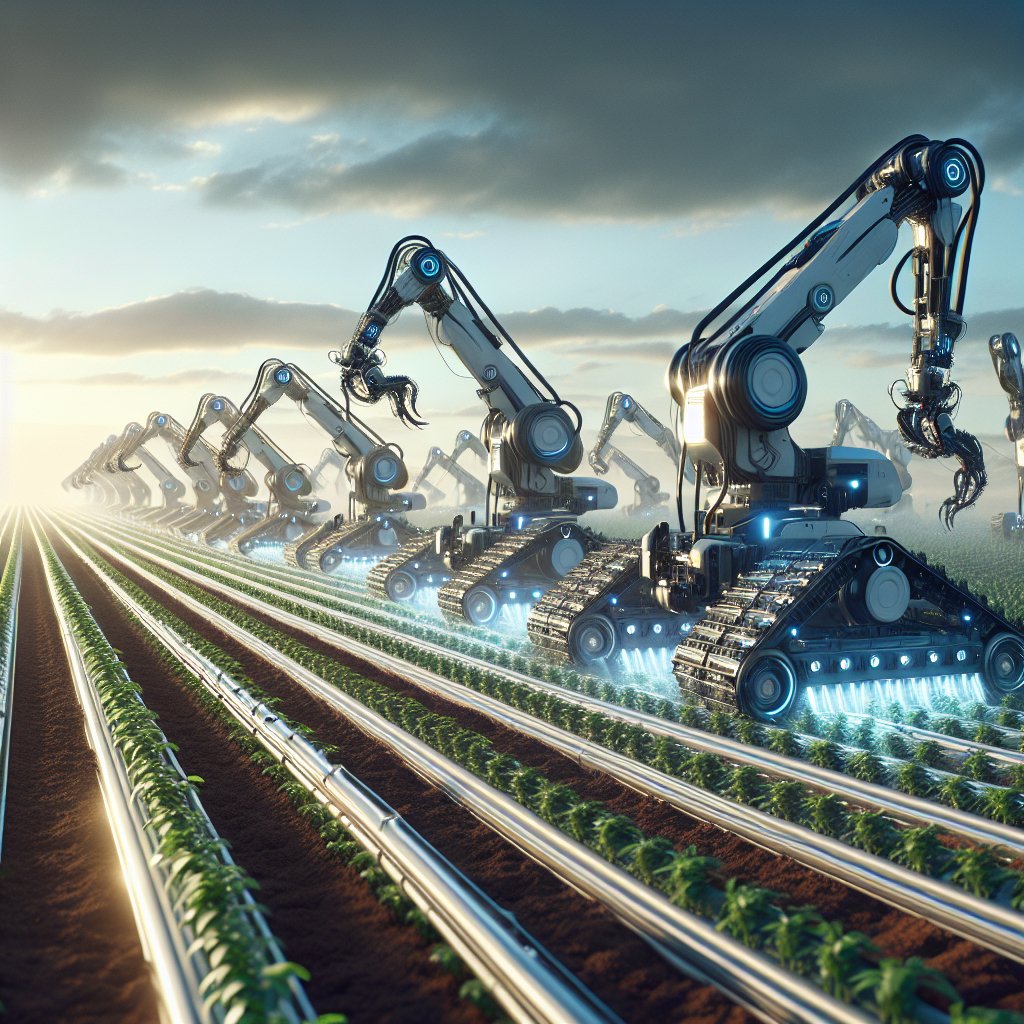
Furthermore, the convergence of AI with robotics promises autonomous irrigation platforms that navigate fields, inspect plant health, and apply water precisely where needed. These systems will unlock new levels of efficiency, particularly for high-value specialty crops such as berries, vegetables, and flowers.
As global demand for food and fiber continues to grow amid climate volatility, AI-driven soil moisture forecasting will play a pivotal role in safeguarding water resources and sustaining agricultural productivity. By embracing these technologies, farmers and stakeholders can cultivate more resilient and efficient food systems for the future.