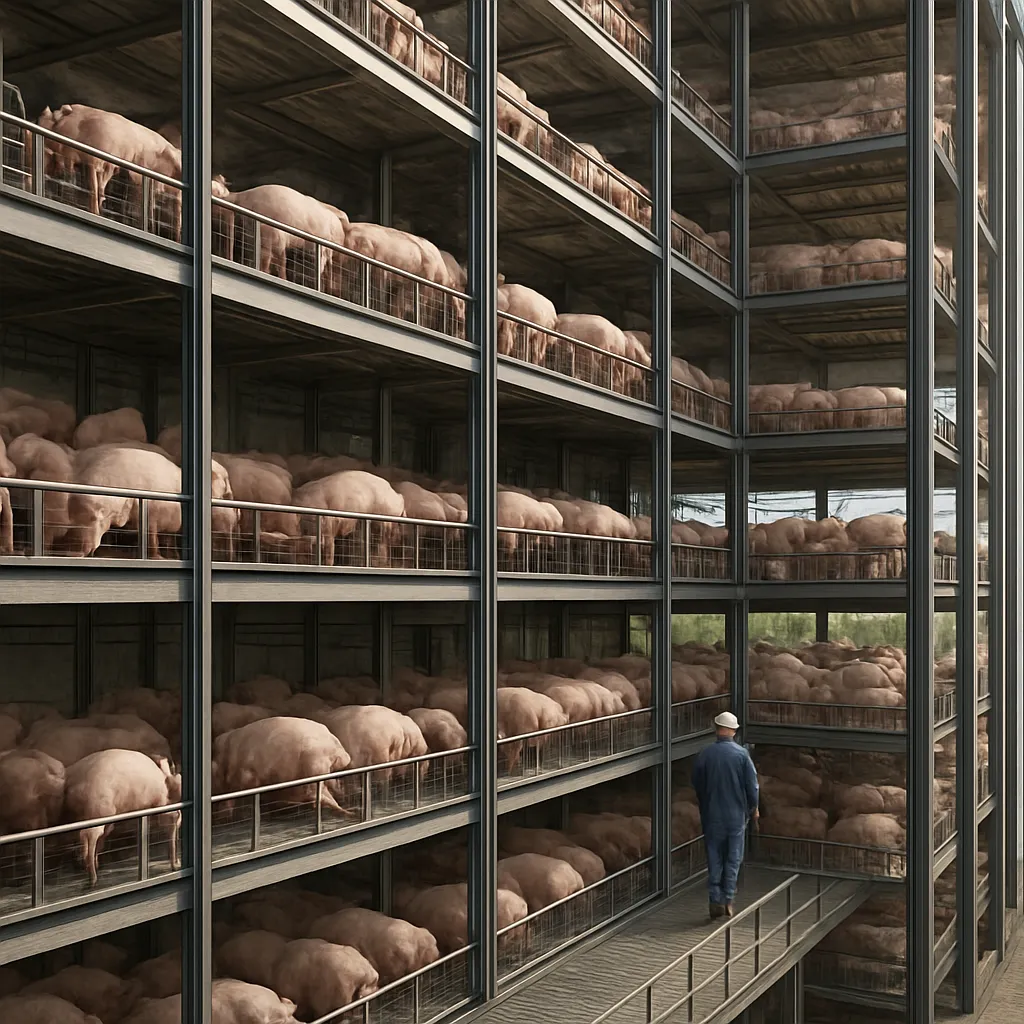
The expansion of traditional livestock agriculture faces mounting pressure from limited land resources, environmental concerns, and a rapidly growing global population. Vertical livestock farms represent a novel approach to reimagining animal husbandry by stacking multiple production layers within controlled indoor environments. This concept promises to transform conventional practices, enhancing sustainable food production while minimizing the ecological footprint. Exploring the requirements, innovations, and challenges of vertical livestock farming can shed light on its potential to revolutionize the agricultural sector.
Design Principles for Vertical Livestock Farming
Designing an efficient vertical livestock facility hinges on several core principles that ensure animal health, productivity, and operational practicality. Key considerations include spatial arrangement, environmental controls, waste management, and resource cycling.
Layered Spatial Configuration
- Multi-tiered housing systems that separate species or production stages.
- Optimized floor plans to facilitate movement and reduce crowding.
- Integration of automation for feeding, cleaning, and environmental monitoring.
Environmental Control Systems
Maintaining precise climate parameters is critical for animal comfort and growth rates. Vertical farms employ:
- HVAC units with humidity regulation to prevent respiratory issues.
- LED spectrum lighting schedules tailored to livestock circadian rhythms.
- Advanced air filtration and exchange to uphold biosecurity.
Resource Recovery and Waste Management
Closed-loop principles minimize external inputs and reduce effluent:
- Manure processing units that convert waste into bioenergy or fertilizer.
- Water recycling through sedimentation, biofiltration, and UV sterilization.
- Manure-based biogas systems that contribute to the farm’s power needs.
Environmental Impacts and Sustainability
Vertical livestock operations aim to deliver a highly sustainable model by significantly reducing land use, water consumption, and greenhouse gas emissions compared to open-range systems. Intensification within a smaller footprint allows conservation of surrounding ecosystems and wildlife habitats.
Land Use and Biodiversity
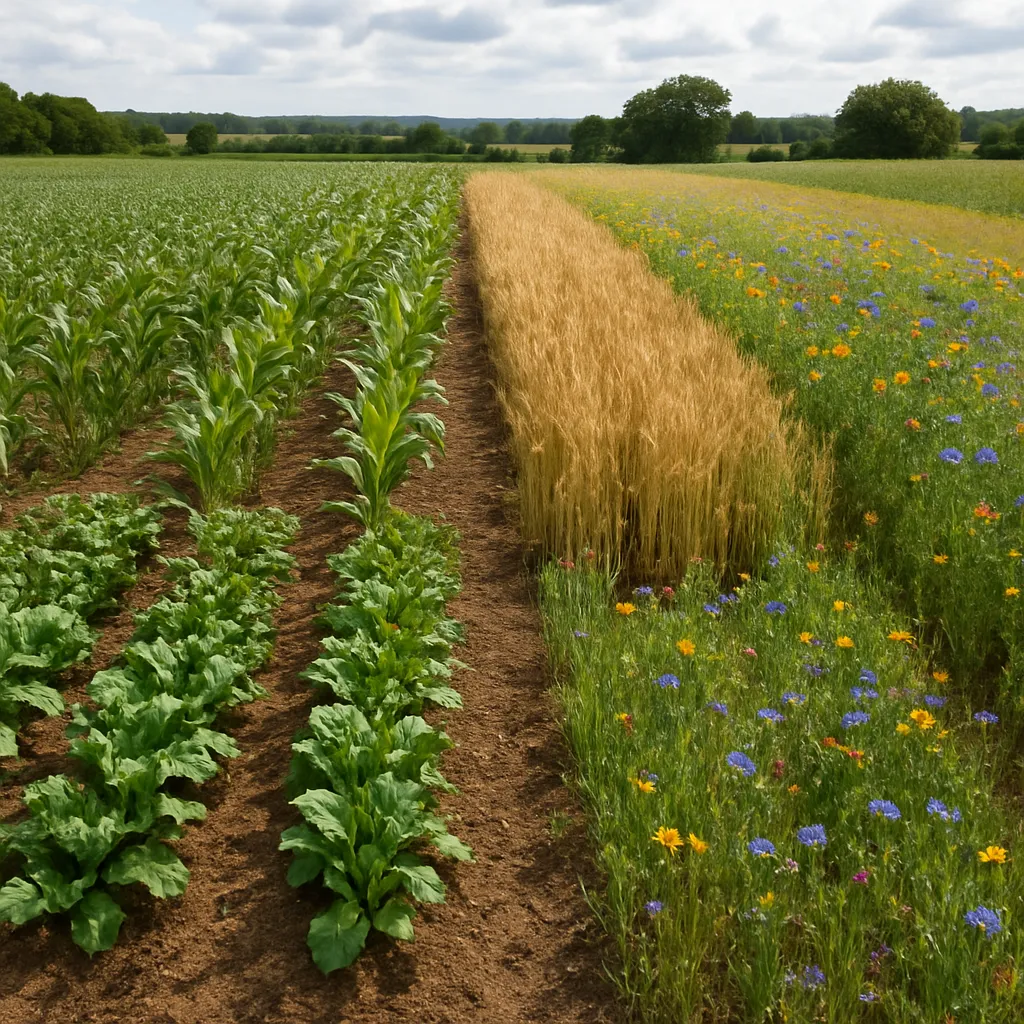
- Replacing sprawling pastures with compact, multi-storey buildings frees up rural land.
- Preserving natural ecosystems mitigates biodiversity loss and soil degradation.
- Potential for on-site green roofs or vertical gardens to support pollinators.
Water and Feed Efficiency
By monitoring fluid flows and optimizing feed conversion, vertical farms can achieve:
- Up to 70% reduction in water footprint through recirculation systems.
- Precision feeding that tailors nutrient profiles, minimizing waste.
- Real-time data analytics to improve efficiency and growth rates.
Emission Reductions
Controlled environments lower methane and ammonia emissions via:
- Enclosed storage tanks for slurry to capture and repurpose gases.
- Activated carbon filters and scrubbers to remove odorous compounds.
- Energy recovery from biogas to power lighting and ventilation, boosting innovation in renewable integration.
Technological Innovations Supporting Implementation
Breakthroughs in robotics, sensor networks, and data management form the backbone of vertical livestock farms. These technologies enable real-time decisions that sustain animal welfare and maximize productive output.
Automated Monitoring Systems
- Wireless sensors tracking temperature, humidity, and air quality on each layer.
- Machine vision cameras analyzing behavior, gait, and feeding patterns.
- Alert algorithms that detect anomalies and dispatch corrective measures.
Robotic Feeding and Cleaning
Mechanized solutions reduce labor demands and maintain consistent standards:
- Autonomous feeders that dispense rations according to individual growth curves.
- Robotic scrapers and wash-down systems to uphold hygiene across levels.
- Self-driving vehicles to transport bedding, feed, and harvested products.
Data-Driven Optimization
Leveraging big data and AI, managers can refine every aspect of production:
- Predictive models for disease outbreaks, enabling proactive health measures.
- Performance dashboards that track feed conversion ratios and mortality rates.
- Continuous improvement loops that integrate past results into future planning, bolstering farm resilience.
Economic Viability and Market Potential
Though initial capital expenditures for vertical livestock farms can be substantial, the long-term returns hinge on resource savings, improved yields, and market premiums for ethically produced meats. Investors evaluate profitability through lifecycle cost analyses and value-added opportunities.
Cost-Benefit Analysis
- High upfront costs for construction, climate systems, and automation equipment.
- Lower ongoing expenses for water, feed, and labor compared to conventional barns.
- Revenue from byproducts such as biogas, organic fertilizers, and carbon credits.
Premium Products and Branding
Consumers increasingly seek transparency and traceability in food sourcing:
- “Farm-to-fork” narratives that highlight stringent biosecurity and welfare standards.
- Ability to label products as antibiotic-free or hormone-free, commanding higher prices.
- Integration with vertical vegetable farms for bundled produce-meat subscription services.
Scalability and Modular Expansion
- Modular building blocks allow phased growth aligned with market demand.
- Standardized modules foster replication in urban and peri-urban zones.
- Collaboration with real estate developers to co-locate farms in mixed-use developments, enhancing integration of agriculture into cityscapes.
Challenges and Future Directions
Despite the promise of vertical livestock farming, obstacles remain in technology maturation, regulatory frameworks, and social acceptance. Stakeholders must address animal welfare regulations, energy sourcing, and community concerns.
Regulatory and Ethical Considerations
- Adapting codes to govern multi-storey animal housing.
- Ensuring transparent reporting on animal welfare metrics and environmental impacts.
- Engaging with animal rights groups to develop best practice guidelines.
Energy Supply and Carbon Footprint
Maintaining a low-carbon profile depends on:
- Securing renewable power for lighting and climate control systems.
- Optimizing biogas capture to offset grid electricity consumption.
- Innovating nutrient cycling processes to minimize external input streams.
Social Acceptance and Workforce Development
- Training programs to equip staff with skills in robotics, data analytics, and animal care.
- Educational outreach to convey the benefits of intensive vertical systems to consumers.
- Fostering partnerships with universities and research institutes for ongoing optimization.
The emergence of vertical livestock farms marks a bold step toward rethinking food production in a resource-constrained world. By harnessing innovation across design, technology, and management, these facilities could redefine the balance between efficiency, environmental stewardship, and animal health.