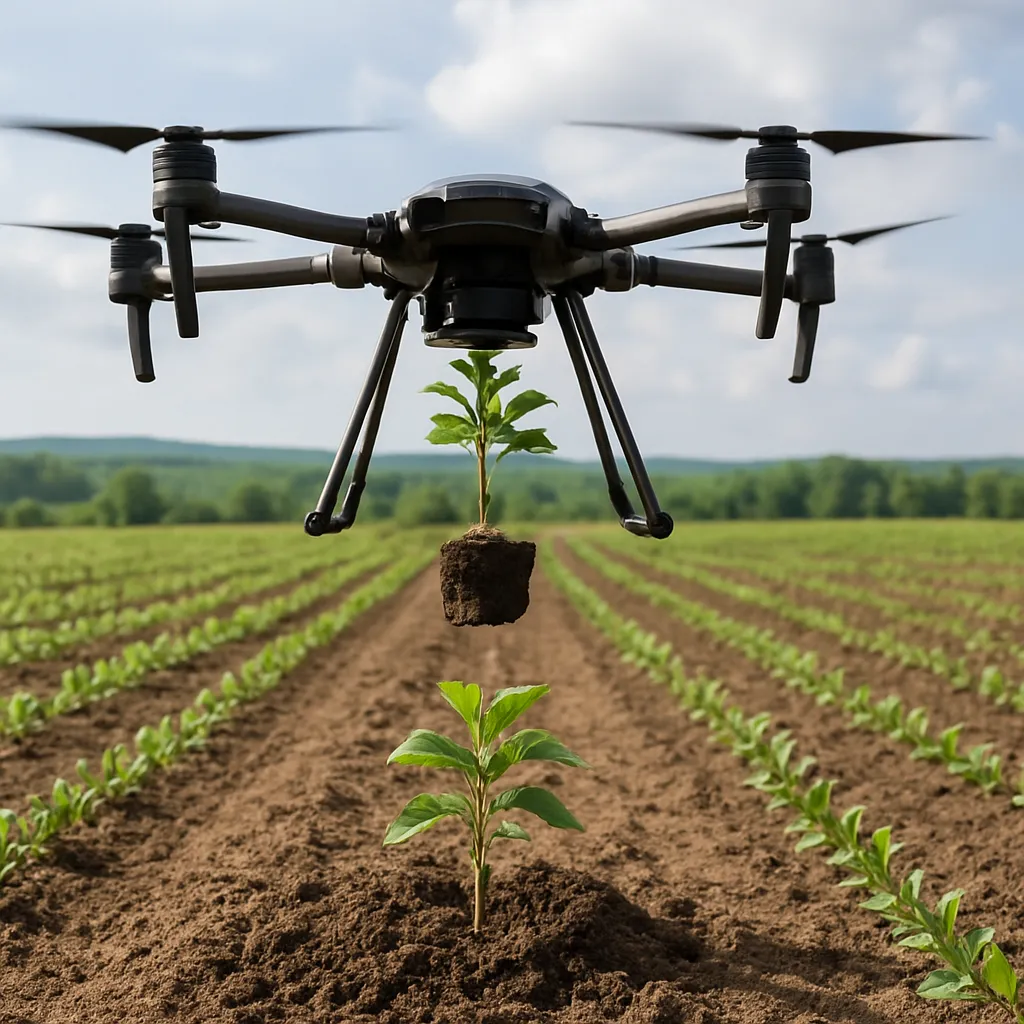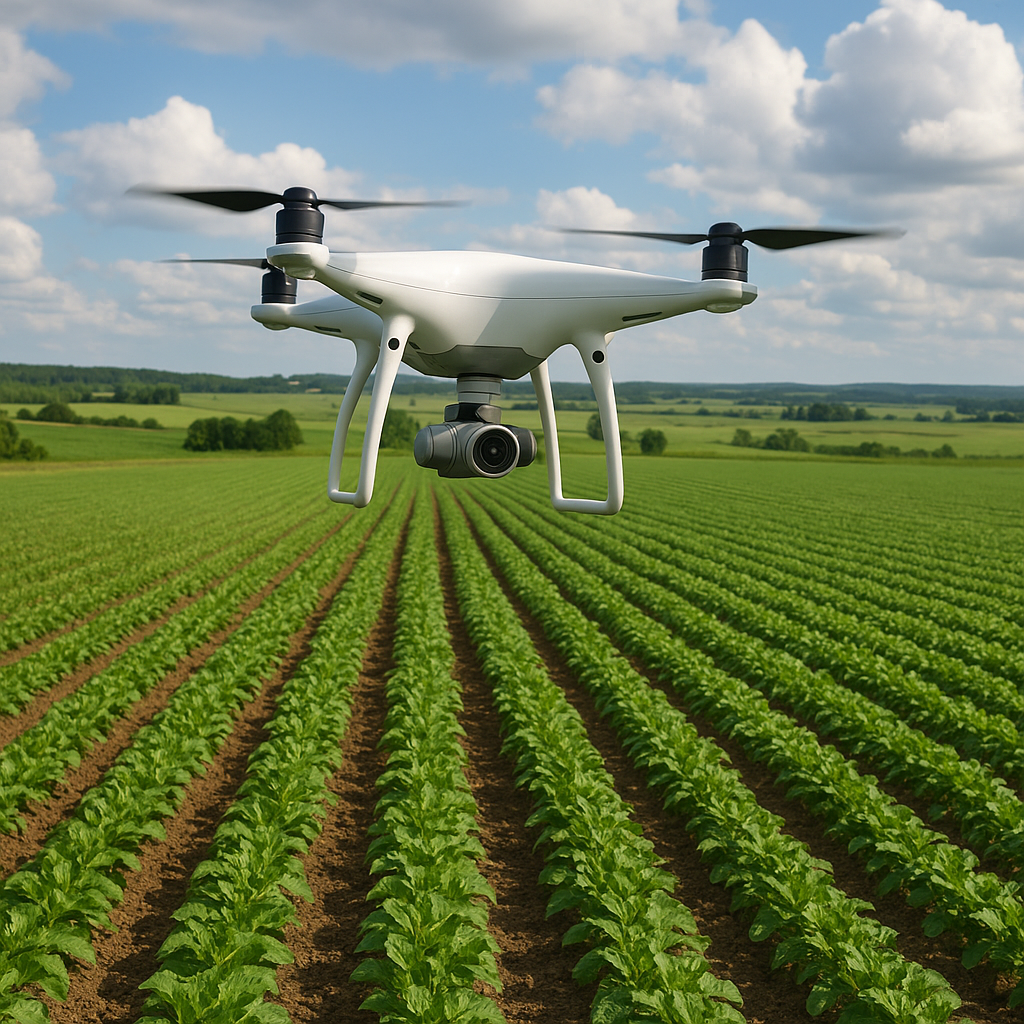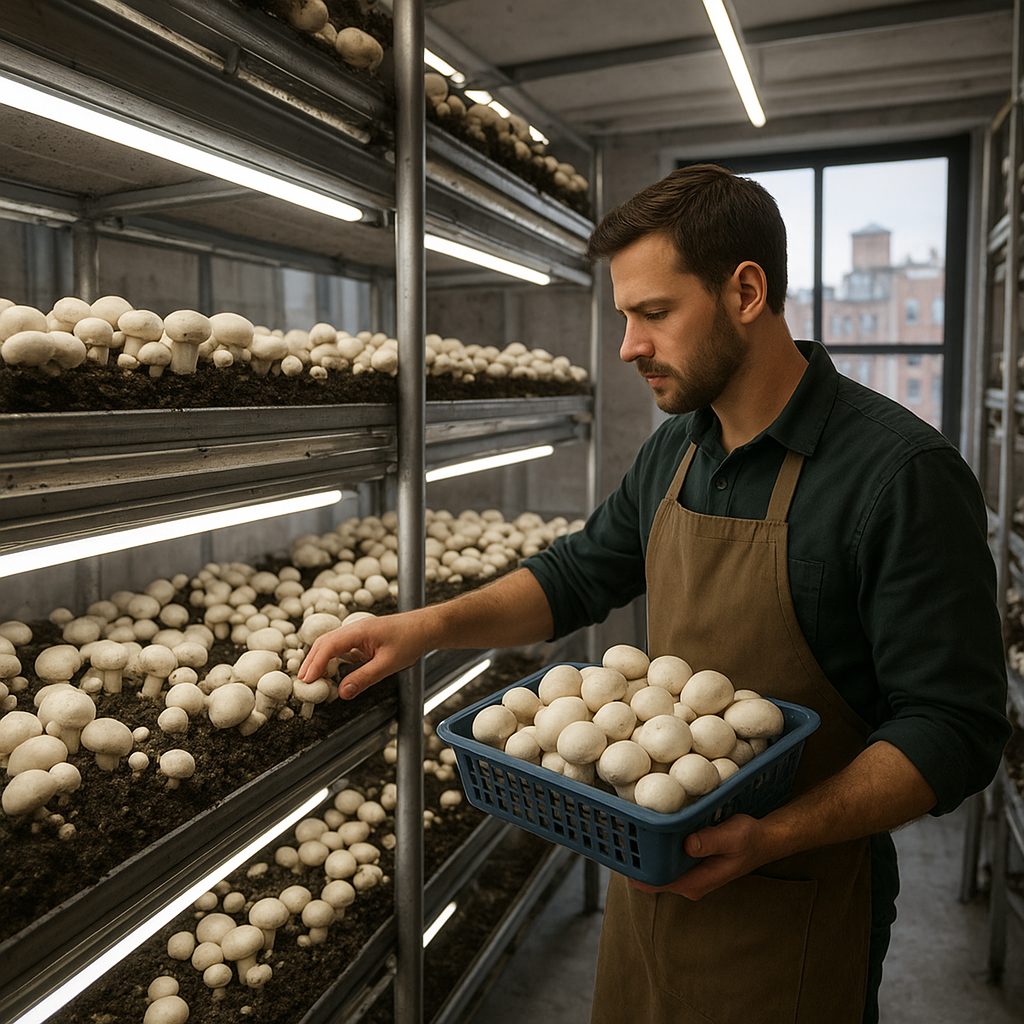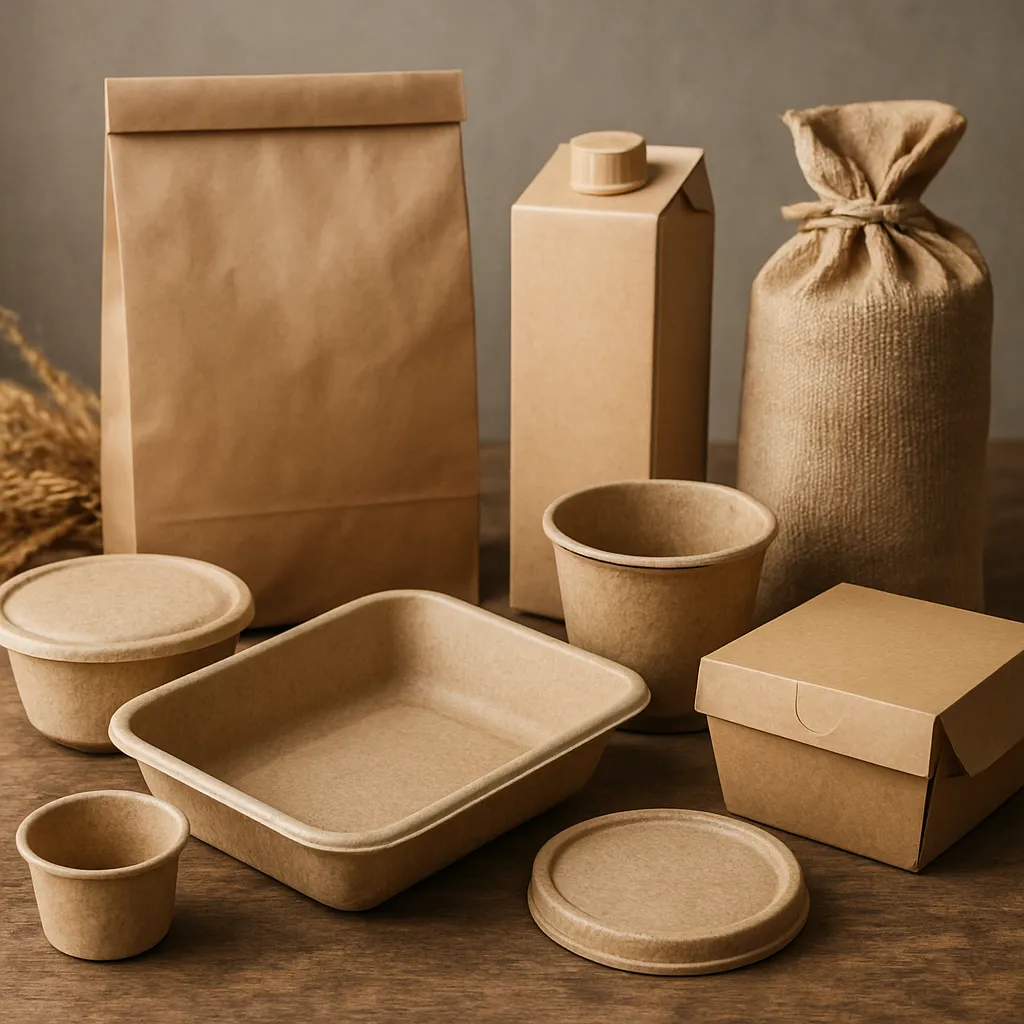
Plant-Based Packaging from Agricultural Byproducts explores the dynamic intersection between modern **agriculture**, innovative **materials**, and the pressing need for ecofriendly **packaging** solutions. This article delves into the untapped potential of crop residues, fruit peels, and other **byproducts** to create **biodegradable**, high-performance materials that can redefine the **circular** economy and reduce reliance on fossil-based **polymers**.
Agricultural Byproducts as Raw Materials
Every year, millions of tons of crop residues such as straw, husks, and stalks are either burned or left to decompose in fields, contributing to air pollution and greenhouse gas emissions. Instead of discarding these **byproducts**, researchers and enterprises are transforming them into valuable feedstocks for packaging production. The key lies in isolating cellulose, hemicellulose, lignin, and pectin from agricultural waste streams.
Common sources include:
- Wheat straw and rice husks – rich in silica and cellulose, ideal for forming durable films.
- Corn husks and stalks – containing high cellulose content usable for fiber-based boards.
- Sugarcane bagasse – abundant and already widely used for paper production, now being adapted for molded packaging.
- Fruit peels (e.g., citrus, banana) – sources of pectin and natural waxes, enhancing water resistance.
- Nut shells – often loaded with lignin, they impart rigidity and thermal stability.
By tapping into these **agricultural** residues, manufacturers can harness local supply chains, reduce waste management costs, and minimize the carbon footprint associated with virgin material extraction.
Processing Techniques and Technological Innovation
A variety of **innovative** approaches exist to convert raw agro-waste into functional packaging:
- Mechanical Pulping: Grinding fibers under high pressure to produce pulp for molded trays and containers.
- Chemical Extraction: Using mild acids or alkali solutions to separate cellulose and hemicellulose, creating a fiber slurry suitable for film casting.
- Enzymatic Treatment: Employing cellulase enzymes to enhance fiber flexibility and reduce energy consumption during processing.
- Thermoplastic Blending: Combining biofibers with biodegradable polymers (e.g., PLA, PBS) to improve mechanical properties.
- Solvent Casting: Dissolving extracted biopolymers in ecofriendly solvents and casting thin, transparent films for food-grade packaging.
Advances in Material Design
Breakthroughs in material **science** have led to multi-layered, compostable materials that rival polyethylene in barrier performance. Nano-scale cellulose fibrils create dense network structures that block moisture and oxygen, while added natural waxes or fatty acids enhance water repellence without compromising biodegradability.
Furthermore, computational modeling and AI-driven process controls optimize energy use and yield. Pilot plants equipped with real-time sensors adjust temperature and mixing speeds to maximize fiber integrity and reduce waste.
Applications, Benefits, and Challenges
Plant-based packaging from **agricultural** waste is already making waves across several industries:
- Food service – biodegradable trays, bowls, and cutlery derived from bagasse and straw.
- Retail – molded pulp inserts replacing foam for electronics and glassware protection.
- Personal care – compostable tubes and jars incorporating fruit peel extracts for natural antimicrobial properties.
- E-commerce – protective cushioning made from ground nutshells and pulp blends.
Key benefits include:
- Biodegradability: Materials break down in industrial or home compost, enriching soil without toxic residues.
- Resource Efficiency: Adds value to low-cost **byproducts**, reducing landfill volumes and open-field burning.
- Lower Carbon Footprint: Local sourcing and minimal processing energy lead to significant GHG reductions.
- Consumer Appeal: Growing demand for sustainable packaging drives brand loyalty and market differentiation.
Despite promising prospects, several challenges persist:
- Supply Chain Variability – Seasonal fluctuations in agro-waste availability can disrupt production schedules.
- Performance Trade-offs – Balancing mechanical strength with compostability requires precise formulation.
- Regulatory Compliance – Meeting food-safety and migration standards demands rigorous testing and certification.
- Cost Competitiveness – Economies of scale are needed to outcompete petroleum-based plastics on price.
Collaborative efforts between farmers, material scientists, and policymakers are crucial to overcoming these barriers. Incentive programs and research grants can accelerate the adoption of **sustainable** packaging solutions and foster a truly **circular** **economy** within the **agricultural** sector.