The practice of aquaponics has drawn increasing attention as agricultural stakeholders seek innovative methods to boost yield, reduce environmental footprints, and ensure resource efficiency. In Southeast Asia, where rice remains a cornerstone of both diet and economy, the integration of rice cultivation with aquaculture offers promising solutions. By creating a symbiotic ecosystem in which fish waste nourishes rice plants and the plants purify water for the fish, aquaponic rice farming addresses challenges of water scarcity, nutrient runoff, and rising production costs. This article explores the conception, design, benefits, challenges, and real-world examples of aquaponic rice systems in the region.
Background and Rationale
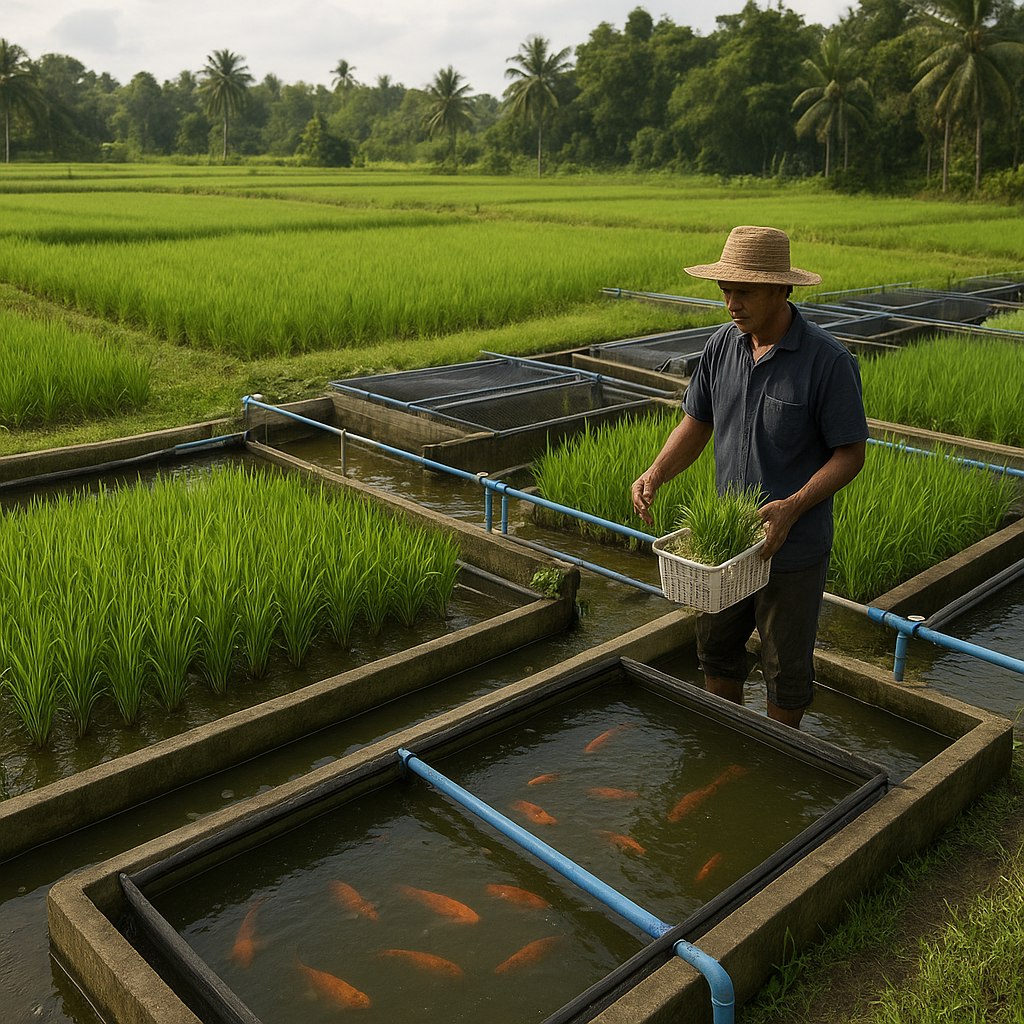
Traditional rice paddies consume large volumes of water and often require chemical fertilizers to secure adequate nutrient supply. Meanwhile, aquaculture—especially low-intensity pond systems—produces nutrient-rich effluent that can pollute waterways if not managed. Aquaponics merges both practices into a single controlled setup. Rice is cultivated in hydroponic beds or shallow floodbeds, while fish such as tilapia, carp, or local species are reared in adjacent tanks or channels. The key concept centers on using fish waste—which contains ammonia—as a natural fertilizer. Bacteria convert ammonia to nitrates, which rice plants absorb. As plants take up nutrients, water quality improves for the fish, creating a continuous, closed-loop cycle that enhances sustainability.
System Design and Operation
Designing an effective aquaponic rice farm involves carefully balancing biological, mechanical, and chemical parameters. Core components include:
- Fish tanks or ponds: Sized according to stocking density and desired production scale.
- Rice beds: Flooded at controlled water depths, often built on raised platforms or troughs.
- Biofilters: Housing nitrifying bacteria that convert fish excreta into plant-available forms.
- Water pumps and piping: Ensuring continuous circulation and oxygenation.
- Monitoring equipment: For pH, temperature, dissolved oxygen, and nutrient levels.
Essential operational parameters include:
- pH: Optimal around 6.8–7.2 to satisfy both fish health and nutrient availability.
- Temperature: Typically maintained between 25–30°C for tropical species and rice growth.
- Stocking density: Ranging from 15 to 30 kg of fish per cubic meter, depending on species resilience.
- Hydraulic retention time: Ensuring adequate nutrient uptake without waterlogging.
Regular maintenance includes checking water parameters daily, cleaning biofilters, and adjusting feed rates. Rice seedlings are transplanted into aquaponic beds when fish reach juvenile size. Harvesting occurs sequentially: fish are graded or partially harvested before rice grain maturity, ensuring continuous production and cash flow.
Benefits and Challenges
Water Usage Efficiency
Aquaponic rice systems can reduce water demand by up to 80% compared to conventional paddies. Closed-loop circulation minimizes evaporation and seepage. Treated water is reused continuously, making the system suitable for regions facing prolonged dry seasons or limited freshwater supply.
Enhanced Productivity
By harnessing fish waste as a nitrogen source, farmers can significantly decrease or eliminate chemical fertilizers. Studies in the Mekong Delta showed rice yields rising by 20–30% over monoculture, while fish biomass yields provide an additional revenue stream.
Environmental Impact
Reduced fertilizer runoff diminishes eutrophication risks in nearby rivers and lakes. The integration fosters biodiversity, with potential for insect predators and beneficial flora around the system’s margins. Moreover, localized production of both staples (rice) and protein (fish) lessens transportation emissions.
Technical and Economic Challenges
- Higher initial capital investment for infrastructure, pumps, and monitoring tools.
- Need for technical expertise in balancing water chemistry and preventing disease outbreaks.
- Potential for system failure due to power outages or pump breakdowns, requiring backup strategies.
- Market acceptance: Consumers and traders may be unfamiliar with integrated products, demanding targeted extension and marketing.
Case Studies in Southeast Asia
Several pilot projects and commercial ventures have demonstrated the viability of aquaponic rice farming in Southeast Asia:
- Vietnam’s Mekong Delta: Research stations have implemented small-scale aquaponic farms combining carp culture with rice. They report improved water quality indices and 25% higher combined crop yields.
- Philippines Cooperative: On Luzon island, a cooperative established a modular system with tilapia and rice, training 50 farmers. The integrated model cut fertilizer costs by 60% and provided an extra 150 kg of fish per season.
- Thailand’s Royal Project Foundation: In northern provinces, demonstration farms integrate local fish species such as snakehead with native rice varietals. The trials focus on climate resilience and showcase potential for hillside or smallholder adoption.
Key success factors include participatory training, access to credit for equipment, and ongoing technical support. Government extension agencies and NGOs play pivotal roles in scaling these models. In each context, farmers adapt system design to local topography—using terraced beds in upland areas or traditional pond shapes in lowlands.
Future Prospects and Innovations
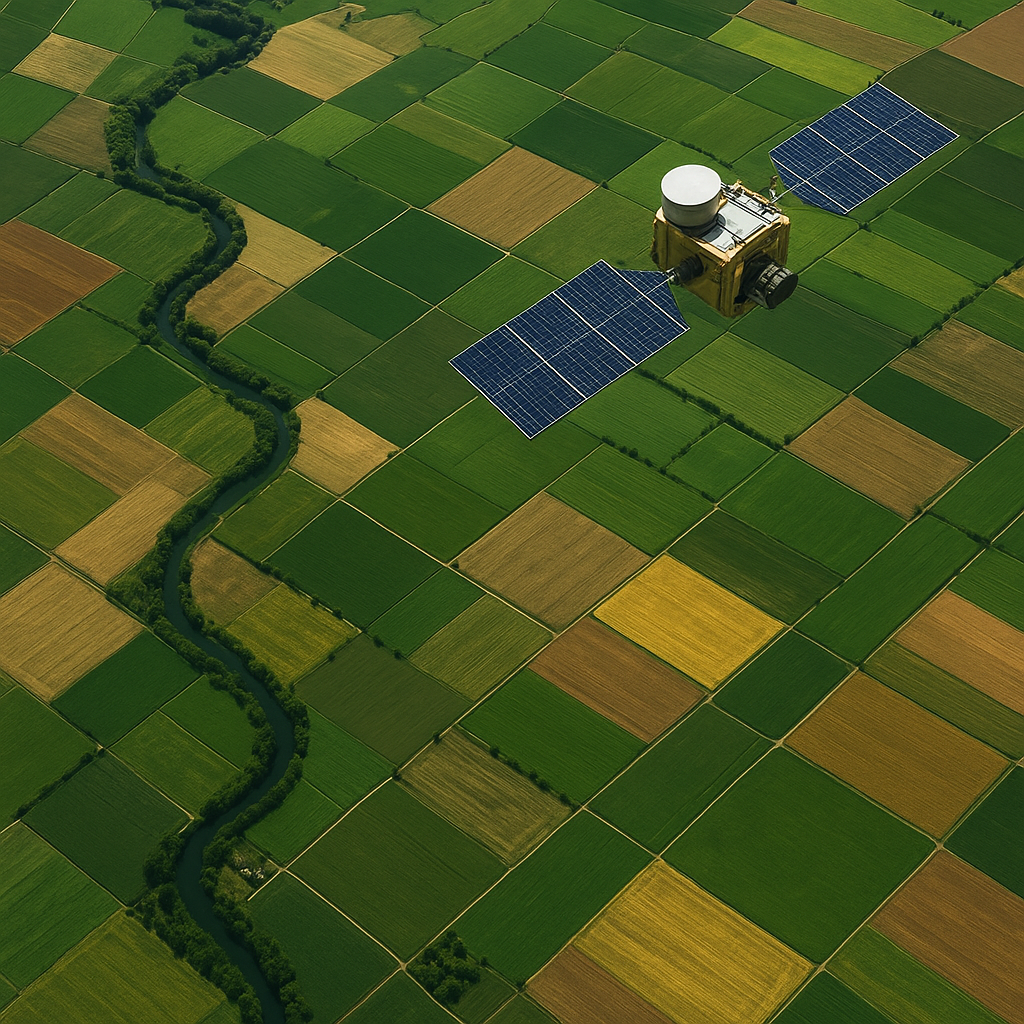
Emerging trends point toward smart aquaponic systems featuring IoT sensors, automated feeders, and AI-driven water quality management. Research on polyculture—raising multiple fish species with complementary feeding habits—aims to optimize nutrient cycles. Genetic selection of rice varieties suited to shallow water hydroponic conditions may further boost yields. Integration with renewable energy, such as solar-powered pumps, can enhance system resilience and lower carbon footprints even more.
Conclusion
By aligning aquaculture and agriculture in a holistic, closed-loop system, aquaponic rice farming embodies principles of integration that can transform food production across Southeast Asia. While challenges remain—particularly regarding capital costs and technical training—the potential benefits of enhanced sustainability, reduced environmental impact, and diversified farmer incomes make this approach a compelling avenue for the future of regional agriculture.