Advances in bioengineering have paved the way for harnessing microalgae as a transformative solution for sustainable animal feed. Cultivating these microscopic plants offers opportunities to revolutionize agriculture by improving nutrition, reducing reliance on traditional crops, and mitigating environmental impacts. This article explores the cutting-edge techniques, the compositional advantages, real-world applications, and the broader ecological and economic considerations surrounding the integration of engineered microalgae into livestock and aquaculture systems.
Genetic Modification Techniques in Microalgae
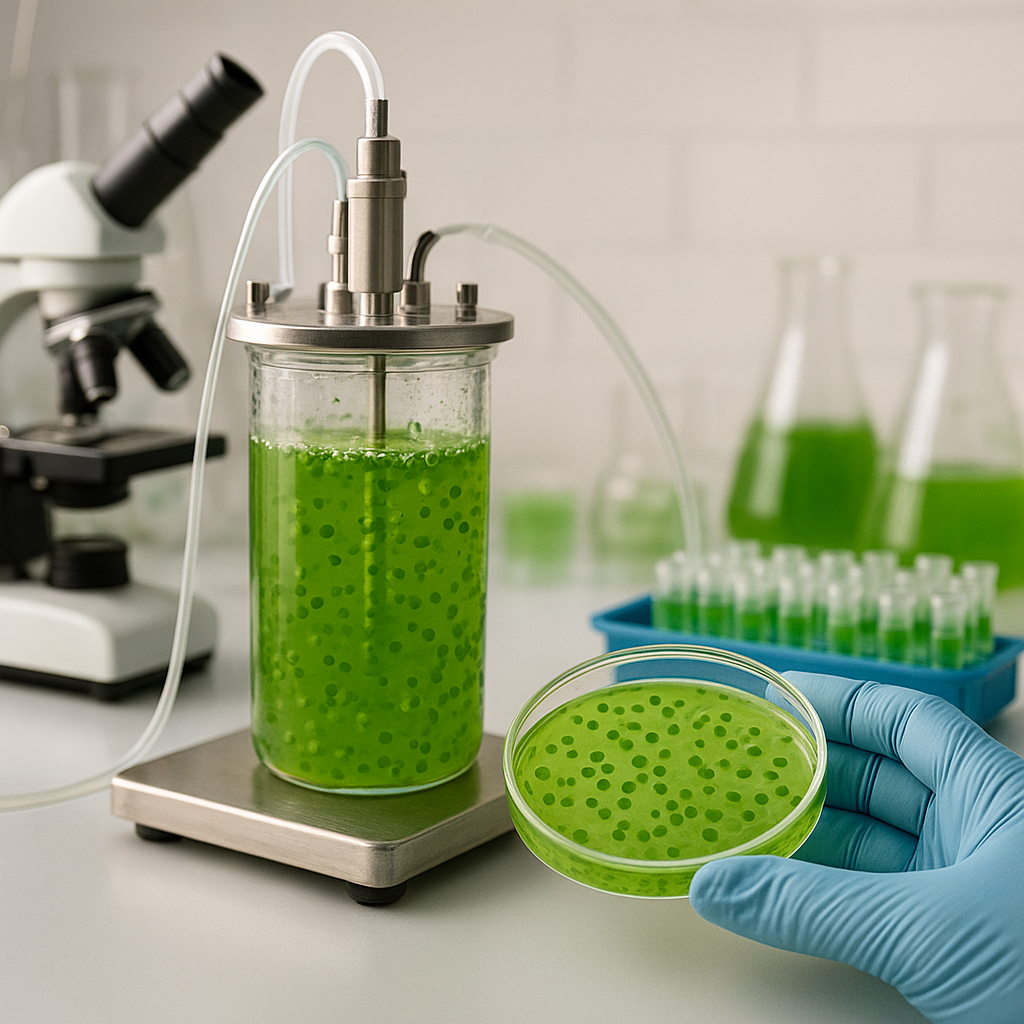
Engineering microalgae strains necessitates precise manipulation of their genomes to enhance production yields, biochemical profiles, and stress tolerance. Researchers employ a spectrum of molecular tools to achieve stable and high-performing lines optimized for productivity under industrial cultivation conditions.
CRISPR-Cas Systems
Clustered Regularly Interspaced Short Palindromic Repeats (CRISPR) and associated Cas proteins enable targeted gene edits with unprecedented accuracy. Utilization of Cas9 or Cas12 nucleases facilitates the insertion, deletion, or modification of key pathways governing lipid accumulation, pigment synthesis, and nutrient uptake. Such edits can boost biomass output, enrich essential fatty acids, and increase resistance to photoinhibition.
Transcriptional Regulators and Metabolic Pathway Engineering
By overexpressing native or heterologous transcription factors, scientists can rewire regulatory networks to divert carbon flux toward desired metabolites. For instance:
- Upregulation of acetyl-CoA carboxylase enhances carbon partitioning into fatty acid chains.
- Knockout of competing pathways reduces production of unwanted byproducts.
- Engineering promoter sequences strengthens expression under variable light and nutrient regimes.
Nutritional Benefits and Composition
Microalgae exhibit a remarkable profile of macronutrients and bioactive compounds, positioning them as a superior alternative or supplement to conventional feedstocks such as soy or fishmeal. Their composition can be tailored through cultivation and genetic approaches to meet specific dietary requirements.
Protein Content and Amino Acid Profile
Certain microalgae species naturally contain over 60% protein by dry weight. Through selective breeding and molecular interventions, it is possible to adjust the proportions of essential amino acids—such as lysine, methionine, and threonine—to align with monogastric animal needs, yielding growth rates on par with soybean meal.
Omega-3 and Lipid Enrichment
Microalgae are primary producers of long-chain omega-3 fatty acids, including EPA and DHA. Genetic enhancement of desaturase and elongase enzymes can further boost these health-promoting lipids, which are vital for neural development in piglets and poultry, and for maintaining optimal fish health in aquaculture operations.
Vitamins, Pigments, and Antioxidants
Beyond macronutrients, engineered strains can be optimized to overproduce pigments like astaxanthin and β-carotene, as well as vitamins such as B12 and E. These compounds act as natural antioxidants, supporting immune function and reducing reliance on synthetic supplements.
Applications in Livestock and Aquaculture
Integration of microalgae-derived feed ingredients has been demonstrated across a variety of animal systems, often yielding improvements in growth performance, feed conversion ratios, and overall animal health.
- Broilers supplemented with 5–10% dried algal biomass exhibit enhanced feather quality and reduced mortality rates.
- Piglets receiving microalgal protein show better gut integrity and lower incidence of post-weaning diarrhea.
- In shrimp and tilapia farming, inclusion of lipid-enriched microalgae results in firmer flesh, richer coloration, and faster weight gains.
These benefits are underpinned by the microalgae’s capacity to provide balanced nutrients in a highly digestible matrix, while also delivering immunomodulatory effects. Continued refinement in scaring and processing methods—such as microencapsulation and spray-drying—ensures that delicate bioactives remain stable through feed manufacturing.
Environmental and Economic Impacts
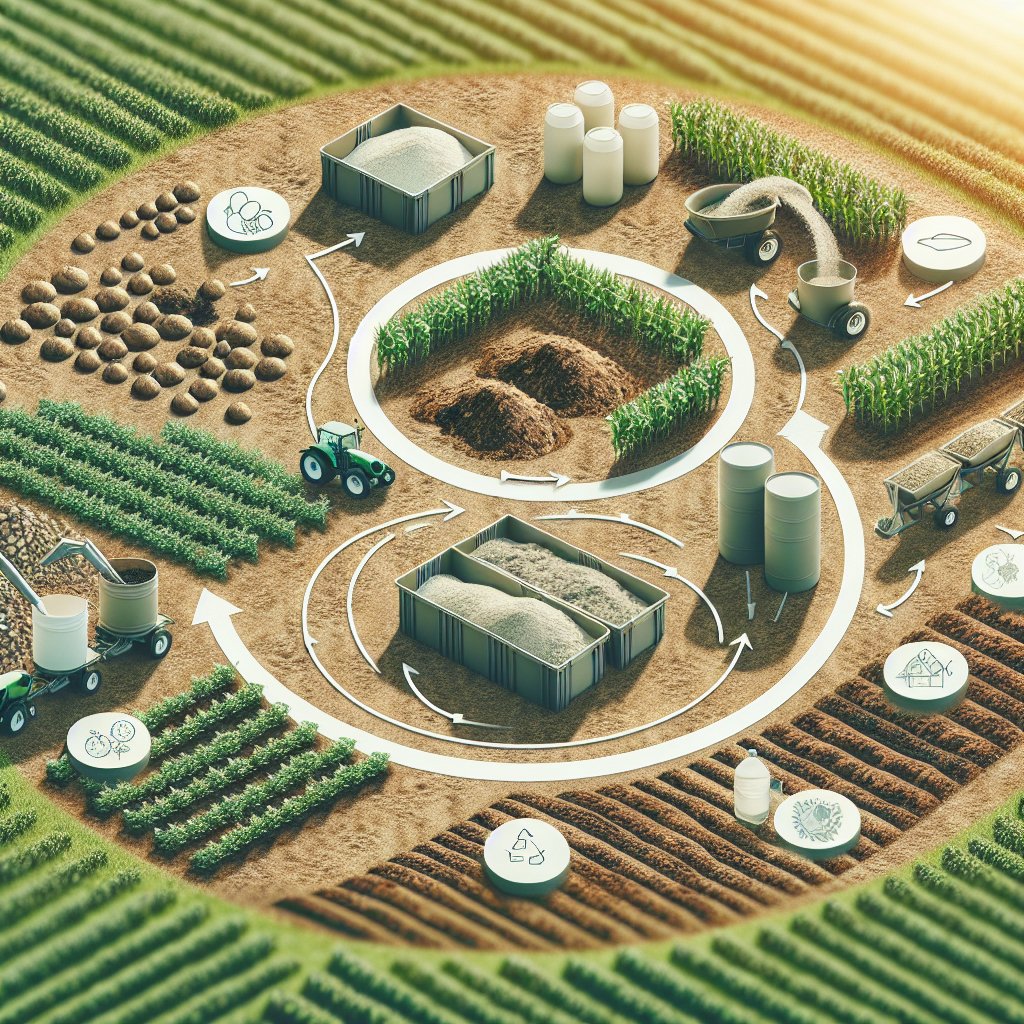
Utilizing microalgae for feed contributes to a sustainable environment by closing nutrient loops, capturing carbon dioxide, and reducing pressure on land and water resources. Key considerations include:
- Lower freshwater demand: Many strains can thrive in brackish or saline water, alleviating competition with freshwater reserves.
- Wastewater remediation: Coupling cultivation with agricultural runoff treatment recovers nitrogen and phosphorus, reducing eutrophication risks.
- Carbon footprint reduction: On-site bioreactors or open ponds can be integrated with farm-based CO2 sources, transforming emissions into biomass.
From an economic perspective, the rise in feed ingredient prices and volatility of global grain markets amplify the appeal of microalgae. Although initial capital investment remains significant—spanning photobioreactor construction, harvesting equipment, and downstream processing—ongoing advances in scale-up protocols and genetic improvements are rapidly driving down production costs. Pilot projects have demonstrated competitive costs per ton of protein compared to imported soybean meal, especially when factoring in co-products such as biofertilizers and pigments.
Challenges and Future Directions
While promising, the full-scale adoption of engineered microalgae as mainstream feed faces hurdles that will require multidisciplinary collaboration. These include:
- Regulatory frameworks: Ensuring that novel, genetically modified strains meet safety and labeling requirements.
- Strain stability: Maintaining high-yield traits through successive cultivation cycles under outdoor conditions.
- Integrated supply chains: Designing logistics to transport wet biomass or dried powders in a cost-effective manner.
Looking ahead, coupling artificial intelligence-driven bioprocess optimization with synthetic biology may unlock next-generation strains possessing ultra-fast growth rates, enhanced resilience to fluctuating climates, and tailor-made nutrient profiles. Such innovations promise to redefine the boundaries of sustainable agriculture and solidify microalgae’s role as a cornerstone of future productivity and ecological stewardship.