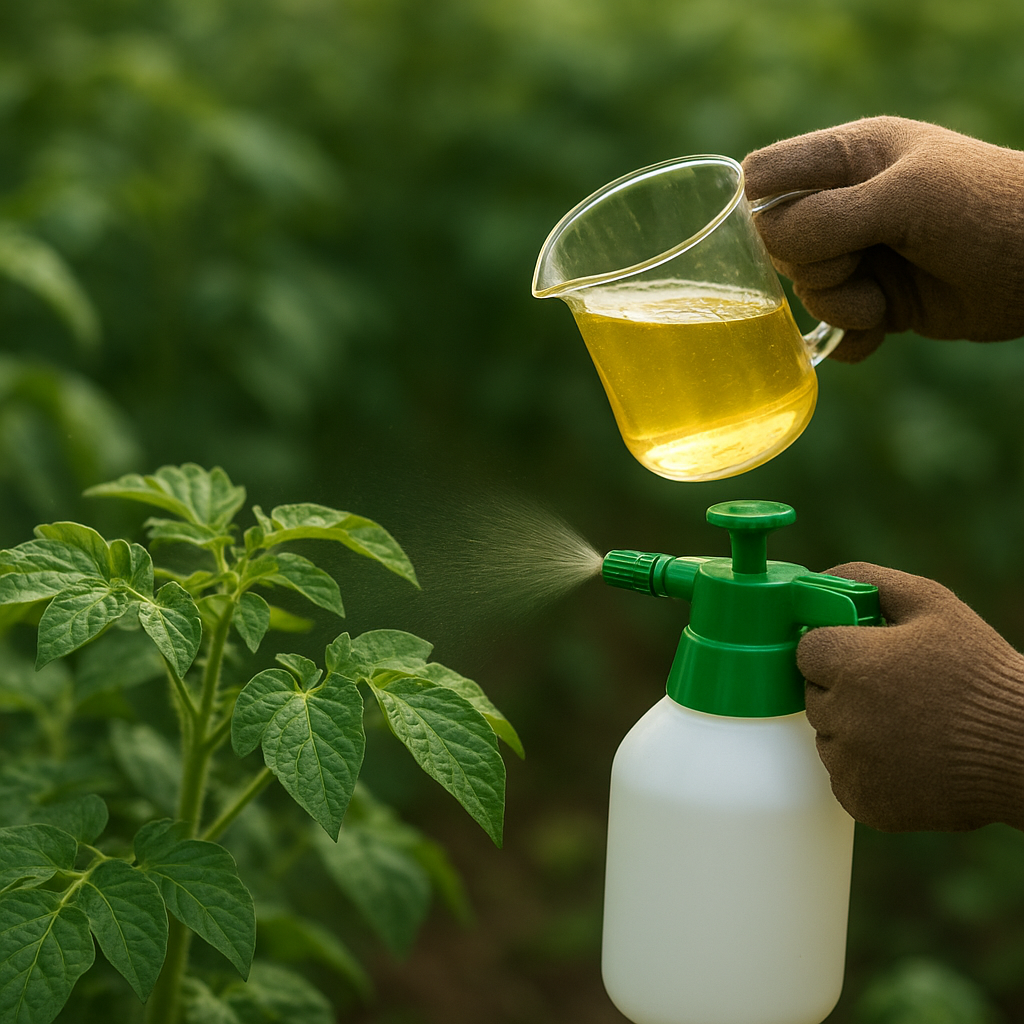
Advances in agriculture have driven the search for alternatives to harsh chemical pesticides. Eco-friendly pest repellent technologies not only safeguard crop yields but also enhance soil health, conserve biodiversity, and reduce the risk of chemical residues in food. By integrating scientific research with centuries-old practices, modern farmers can establish robust defenses against pests while adhering to principles of sustainable farming and maintaining ecological balance across farmlands.
Sustainable Approaches to Crop Protection
Plant-derived Compounds
Natural extracts from botanicals like neem, garlic, and chrysanthemum have risen to prominence as potent, low-impact repellents. These essential oils and alkaloids interfere with insect feeding behaviors, oviposition, and sensory receptors without harming non-target organisms. Research into plant metabolomics allows scientists to isolate active ingredients and optimize formulations for longevity and efficacy. For example:
- Azadirachtin from neem effectively disrupts insect hormonal cycles, leading to reduced larval growth.
- Pyrethrins sourced from chrysanthemum petals provide rapid knockdown of leaf-eating pests.
- Allicin in garlic acts as a fumigant, deterring soil-borne nematodes and fungal pathogens.
By cultivating on-site sources of these botanicals or purchasing certified organic extracts, growers reduce reliance on synthetic chemicals while promoting the agroecosystem’s natural resilience.
Trap Crops and Companion Planting
Strategically intercropping susceptible plants with sacrificial or repellent species channels pest pressure away from main cash crops. For instance, planting mustard as a trap crop lures aphids away from cabbage, while marigolds emit terpenes that repel root-knot nematodes. This practice forms part of integrated pest management, combining biological, cultural, and physical tactics to maintain pest populations below economic thresholds.
Key benefits include:
- Reduced chemical inputs as pests congregate on designated decoy plants.
- Enhanced habitat for pollinators and predatory insects through diversified floral resources.
- Lower risk of resistance development, since multiple defense mechanisms operate simultaneously.
Biological and Mechanical Barriers
Beneficial Insects and Predators
Harnessing the power of beneficial arthropods like lady beetles, lacewings, and parasitoid wasps provides a dynamic, self-sustaining line of defense. Commercial breeding programs now deliver high-quality predators that can be released in greenhouses or open fields. Predatory mites target spider mites, while parasitic wasps seek out caterpillar eggs. Encouraging these insects through habitat enhancement—installing hedgerows, cover crops, and nesting sites—fosters long-term biological control.
Physical Repellents and Barriers
Mechanical defenses have evolved beyond simple nets or row covers. Innovations include:
- Electrostatic mesh that generates low-voltage charges to repel small flying insects.
- Reflective mulch films that confuse and deter aphids and whiteflies by altering light spectra.
- Wax-based coatings on seedlings that create slippery surfaces, preventing crawling pests from ascending stems.
These approaches can be tailored to specific crops and pest complexes, forming a critical element of protection strategies in organic and low-input systems.
Innovations in Smart Repellent Systems
Sensor-driven Monitoring
Deploying networks of wireless environmental sensors enables real-time tracking of temperature, humidity, and pest movement patterns. Coupled with machine learning algorithms, these data streams trigger targeted repellent releases only when pest thresholds are met. Such precision reduces wasted product and minimizes ecological disturbance. Examples include automated pheromone dispensers that activate under favorable mating conditions for moths, disrupting their breeding cycle efficiently.
Robotics and Precision Applications
Autonomous ground and aerial robotics platforms now perform spot treatments of biopesticides and natural repellents with centimeter-level accuracy. Equipped with computer vision, these robots can identify early pest infestations and apply micro-doses of deterrents, conserving resources and protecting beneficial fauna. In trials, swarm drones treated orchard canopies with essential-oil aerosols, reducing codling moth populations by over 70% while eliminating chemical residues.
Nanotechnology-enhanced Formulations
Advances in nanotechnology have led to encapsulated repellent particles that release active ingredients slowly over weeks. These nano-coatings adhere strongly to leaf surfaces and resist wash-off during rainfall, maintaining consistent protection throughout critical growth stages. Encapsulation also reduces phytotoxicity by controlling release rates, ensuring plants absorb minimal concentrations while pests receive lethal exposure.
Integration with Digital Platforms
Modern farmers access mobile apps that integrate real-time pest alerts, weather forecasts, and treatment recommendations. By visualizing risk maps and historical infestation data, they plan repellent deployments during vulnerable phenological stages. This integrated approach aligns field operations, conserves inputs, and empowers decision-making under increasingly variable climatic conditions.