Floating farms on flood-prone land offer a revolutionary pathway toward resilient and efficient food production. By combining innovative technology with adaptive design, these systems address the pressing challenges of climate change and urbanization. This article explores the driving factors, technical foundations, and multifaceted impacts of this emerging agricultural approach.
Innovative Solutions for Flood-Prone Agriculture
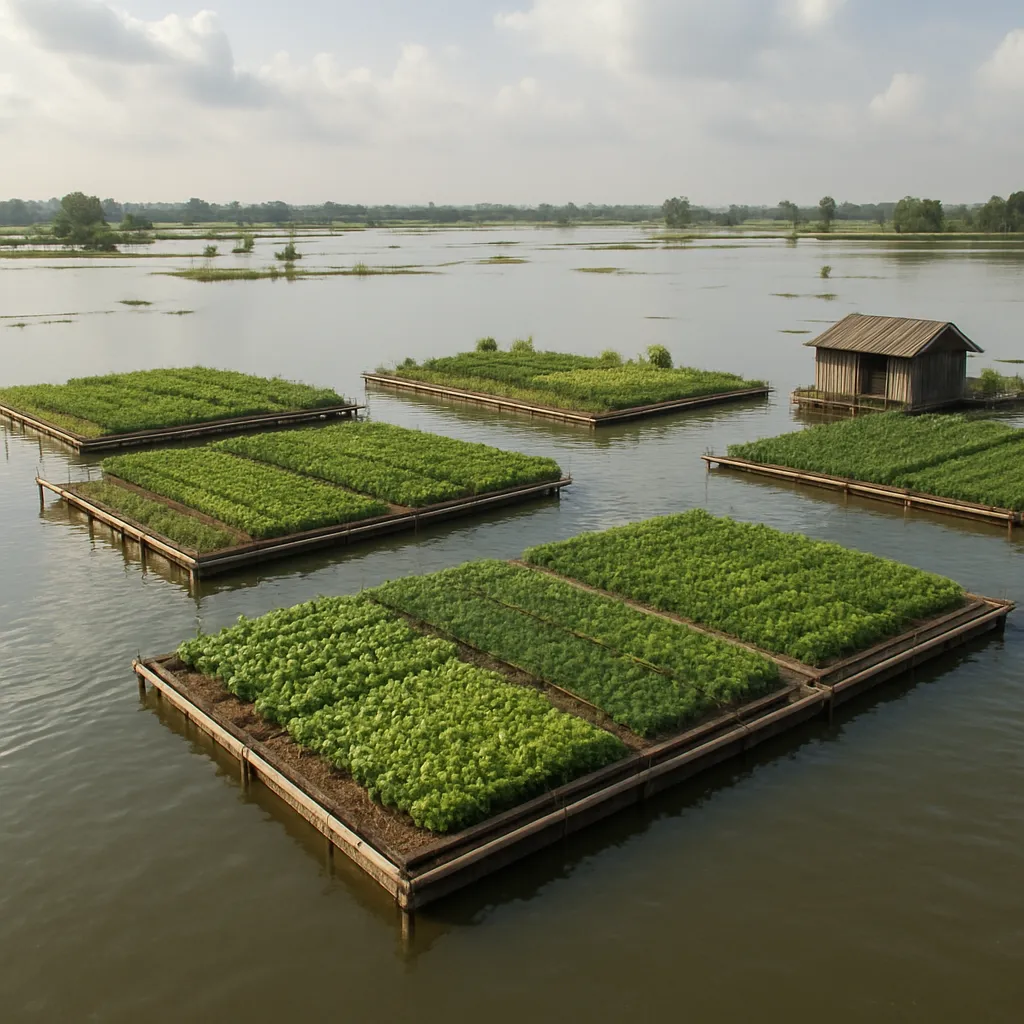
The concept of a floating farms integrates buoyant structures with modern growing techniques, enabling cultivation in areas traditionally unsuitable for conventional farming. Coastal regions, river deltas, and low-lying plains face rising water levels, rendering millions of hectares vulnerable each year. These farms leverage modular platforms that rise and fall with water surges, maintaining optimum growing conditions and reducing crop loss.
Key drivers behind this innovation include:
- Population growth and urban density creating land scarcity.
- Increasing frequency of extreme weather events.
- Demand for food security in remote or underserved communities.
By decoupling cultivation from fixed terrain, farmers can reclaim submerged acreage, ensuring year-round production despite seasonal floods or tidal fluctuations.
Design Principles of Floating Agriculture Systems
Effective floating farms depend on careful engineering of three core components: buoyancy platforms, growth beds, and resource management systems.
Buoyancy and Structural Framework
Platforms are typically constructed from recycled plastics, composite floats, or even upcycled shipping containers. They must support the combined weight of growing media, water reservoirs, and plant mass while withstanding wind and current forces. Anchoring mechanisms—such as adjustable mooring lines—enable stable positioning without impeding natural water movements.
Growing Techniques: Hydroponics and Aquaponics
Many floating farms adopt soilless methods like hydroponics or integrate aquaculture in aquaponic systems. Benefits include:
- Precise nutrient dosing to optimize growth rates.
- Reduced water consumption compared to traditional irrigation.
- Closed-loop waste recycling in aquaponics, where fish effluent nourishes plants.
These methods eliminate dependency on fertile land, offering higher yields per square meter and minimal environmental runoff.
Renewable Energy and Resource Recycling
To reach maximum sustainability, farms incorporate solar panels, wind turbines, or micro-hydro generators. Energy powers LED grow lights, water pumps, and climate-control systems. Rainwater harvesting and desalination units further enhance independence, enabling farms to operate in brackish or saline environments without depleting freshwater sources.
Environmental and Socioeconomic Advantages
Floating farms deliver significant benefits across ecological, economic, and social dimensions:
- Resilience against flooding: Platforms adapt to water level changes, protecting crops from inundation.
- Reduced land pressure: Urban and peri-urban areas gain new green spaces without deforestation.
- Lower carbon footprint: Localized production cuts down on transportation emissions and cold-chain logistics.
- Job creation: Construction, maintenance, and harvesting generate employment in vulnerable communities.
Moreover, these systems support biodiversity by minimizing soil disturbance and potentially providing habitats for aquatic species beneath the platforms. Floating farms can also serve educational and recreational purposes, fostering community engagement with innovative agricultural practices.
Challenges and Future Perspectives
Despite promising results, several hurdles must be addressed for widespread adoption:
- High upfront costs for materials, engineering design, and installation—often requiring subsidies or public-private partnerships.
- Technical complexity: Monitoring water quality, nutrient balance, and structural integrity demands skilled labor and robust technology.
- Regulatory frameworks: Zoning laws and water rights can impede deployment in certain jurisdictions.
Research initiatives focus on cost reduction through innovative materials—such as biodegradable floats—and automation via remote sensors and AI-driven farm management. Integrating floating farms into holistic urban planning could transform waterfronts into productive green hubs, reinforcing local food chains and bolstering economic vitality.
Strategies for Scaling Up and Integration
Successful scale-up hinges on collaboration among governments, NGOs, and private enterprises. Key strategies include:
- Incentivizing pilot programs in flood-prone municipalities to demonstrate viability.
- Establishing training centers and knowledge-sharing platforms for farmers and engineers.
- Embedding floating farms within disaster risk reduction plans, turning vulnerability into an opportunity for sustainable development.
With continued innovation and investment, floating agriculture could become a cornerstone of global efforts to adapt to a changing climate, enhance food security, and secure livelihoods in regions once considered too risky for cultivation.