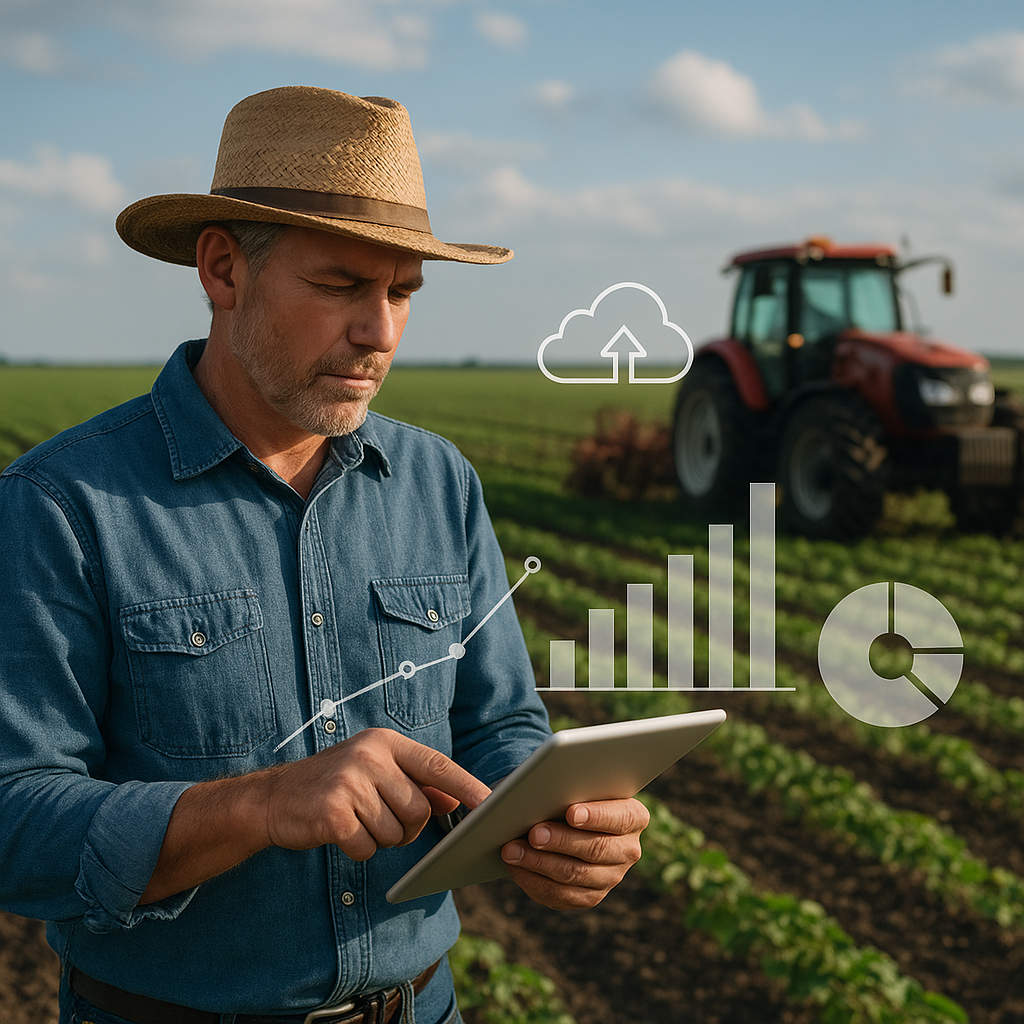
Embracing the power of modern technology, farmers are transforming traditional fields into hubs of innovation. With enormous volumes of information collected daily, the agriculture sector is witnessing a revolution in efficiency, productivity, and sustainability. The integration of precision agriculture tools and advanced analytics is reshaping how crops are sown, monitored, and harvested, driving unprecedented gains for growers around the world.
Data Collection across the Field
Data collection serves as the foundation for any smart farming initiative. By deploying a network of IoT sensors and leveraging satellite imagery, producers can track critical parameters in near real time. Soil probes measure soil moisture levels at multiple depths, while weather stations record temperature, humidity, and wind speed. Drones equipped with multispectral cameras provide high-resolution maps, revealing plant health variations across hectares of land.
- Soil sensors: Measure pH, nutrient content, and moisture.
- Weather stations: Capture microclimate data for localized forecasts.
- Drones and satellites: Generate imagery for identifying stressed areas.
- Tractor-mounted scanners: Analyze crop canopy and biomass density.
Combining these data streams in a centralized platform allows agronomists to visualize field conditions on a continuous timeline. This detailed overview empowers farm managers to make data-driven decisions about planting schedules, fertilizer application, and pest control measures.
Real-time Monitoring and Predictive Analytics
Once collected, raw data must be processed and interpreted. Cloud-based platforms offer scalable computing power, enabling complex algorithms to transform measurements into actionable insights. Through machine learning models, patterns emerge that predict future outcomes such as growth rates, disease outbreaks, and final yields.
For instance, historical records of rainfall combined with current evapotranspiration rates allow predictive systems to estimate irrigation needs days in advance. By automating alerts, farmers receive notifications when moisture drops below a critical threshold, preventing stress that could reduce crop quality. Moreover, by analyzing pest incidence data alongside weather trends, platforms can forecast infestation risks, giving producers a window to apply targeted treatments with minimal chemical use.
- Yield prediction: Forecast harvest volume weeks before maturity.
- Crop health alerts: Detect early signs of disease or nutrient deficiency.
- Weather anomaly warnings: Anticipate frost, heat waves, or heavy rain.
- Cost-saving recommendations: Optimize timing and quantity of inputs.
These predictive capabilities are powered by cloud computing, which unifies data from multiple farms and regions. Shared anonymized datasets improve algorithm accuracy, benefiting the entire agricultural community.
Optimizing Resource Management
Efficient resource allocation is essential for maintaining profitability and reducing environmental impact. By interpreting data on soil conditions, weather forecasts, and plant growth stages, smart systems can orchestrate precise distribution of water, fertilizers, and crop protection products. This approach, known as precision agriculture, tailors inputs to the unique needs of each field segment.
For example, variable-rate irrigation systems adjust water flow in real time, delivering just the right volume to match plant uptake. Drip lines embedded with flow meters ensure no drop is wasted. Similarly, variable-rate spreaders modulate fertilizer output based on nutrient maps derived from sensor grids. The result is significant savings in water and chemical usage, without sacrificing yield.
- Variable-rate irrigation: Prevents overwatering and conserves resources.
- Targeted fertilization: Applies nutrients only where deficits exist.
- Automated machinery: Executes field tasks with minimal human oversight.
- Energy management: Schedules equipment use during off-peak hours.
Ultimately, the synergy between advanced analytics and automated machinery leads to optimized workflows and reduced labor costs. Farms become more resilient to market fluctuations and climate variability through smarter resource planning.
Challenges and Future Prospects
Despite clear benefits, several obstacles hinder widespread adoption of big data solutions in agriculture. High initial investment costs, limited rural connectivity, and data privacy concerns present formidable barriers. Many smallholders lack access to reliable internet, complicating real-time monitoring efforts. Additionally, the complexity of analytics platforms may overwhelm users without proper training.
To address these issues, industry stakeholders are collaborating on open data standards and low-cost connectivity options like cellular IoT networks. Extension services and cooperative programs provide farmers with hands-on training, ensuring they can interpret insights and implement recommendations effectively. Advances in edge computing also promise to bring analytics closer to the field, reducing dependency on continuous broadband access.
Looking ahead, the integration of robotics and autonomous vehicles will further streamline operations. Self-driving tractors guided by high-precision GPS and AI vision systems will plant, cultivate, and harvest with minimal human intervention. Emerging technologies such as blockchain are being explored to secure supply chains and verify sustainable practices from seed to shelf.
By fostering collaboration between technology providers, agronomists, and producers, the agricultural sector can overcome current limitations and unlock the full potential of big data. As the industry evolves, smarter farms will lead to higher yields, lower footprints, and resilient rural economies, paving the way for truly sustainable farming.