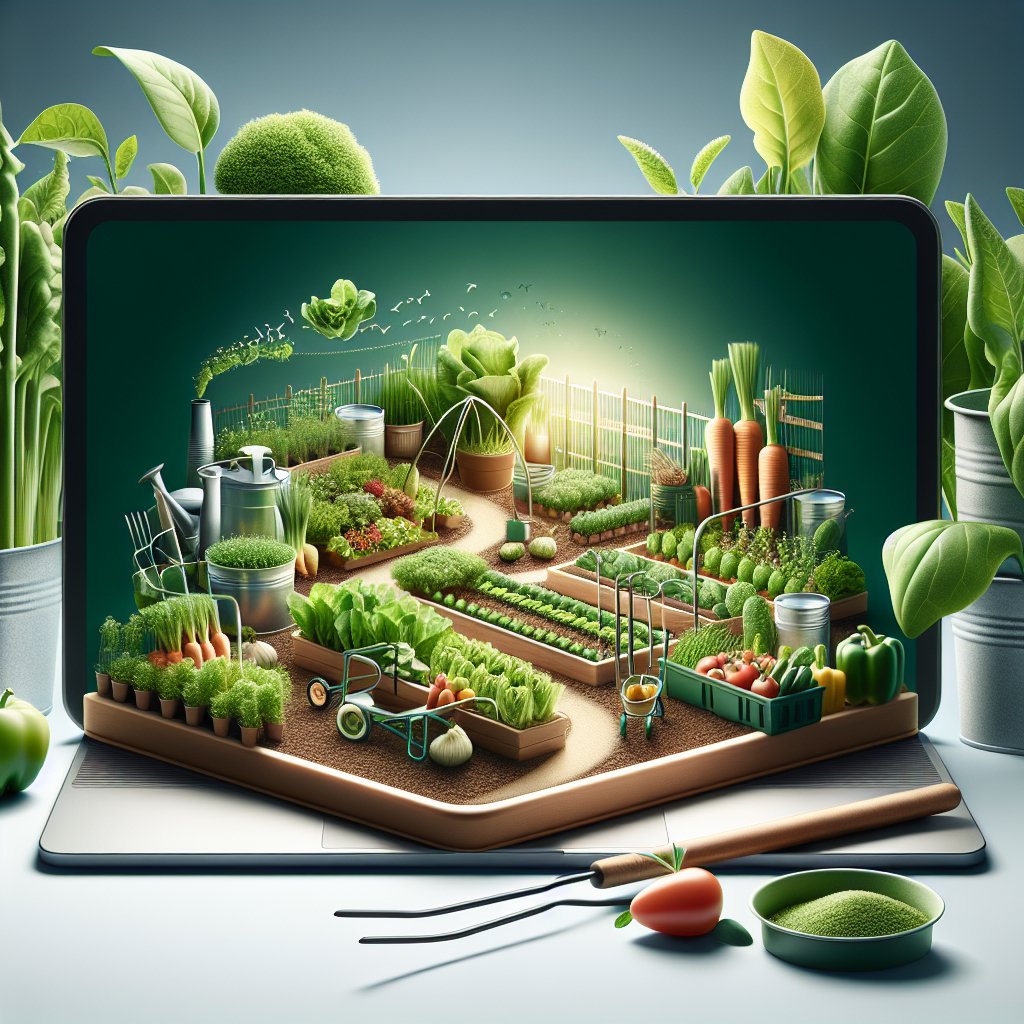
Farmers around the globe have embraced digital channels to exchange vital insights, troubleshoot field challenges, and foster a resilient community. By leveraging social media, growers can access tailored solutions for crop health, livestock management, and market trends. This article explores how these platforms facilitate knowledge sharing, the tools commonly used, and the implications for modern agriculture.
Introduction
As agricultural landscapes evolve, the role of connectivity grows ever more significant. Platforms that once served general entertainment now offer dedicated spaces for farmers to discuss best practices, share research findings, and collaborate on innovative projects. The convergence of mobile devices, high-speed internet, and intuitive apps has created unprecedented opportunities for collaboration, enabling remote communities to tap into cutting-edge advances without physical boundaries.
This shift toward digital interaction addresses long-standing barriers in rural areas, such as limited access to extension services or geographic isolation. By tapping into online networks, growers can solicit advice on pest outbreaks, learn about novel biocontrol methods, and arrange bulk orders for inputs like fertilizers or seeds. These exchanges often occur in real time, accelerating decision-making and promoting adaptive management strategies.
Central to this phenomenon is the concept of peer-to-peer learning, where farmers educate one another through firsthand experiences. Such dynamic exchanges build trust faster than top-down instruction, since participants share similar contexts and challenges. The remainder of this article delves into the primary platforms, highlights tangible impacts on sustainability, and addresses the hurdles that accompany digital transformation.
Platforms and Tools
Popular Online Communities
Several websites and apps have become cornerstones for agricultural discussions. Among them:
- Facebook Groups focused on regional crop issues or livestock breeds
- WhatsApp broadcast lists for rapid alerts and advisory bulletins
- Twitter hashtags that aggregate posts on topics like drought management
- YouTube channels offering video tutorials on equipment maintenance
- Instagram accounts showcasing innovative farm designs and greenhouses
These channels vary in format and reach, yet each provides unique advantages. Facebook Groups support threaded conversations and document sharing, while WhatsApp offers encrypted, instant messaging suited for urgent notifications. Video-based platforms like YouTube allow visual demonstrations, critical for tasks that require step-by-step guidance.
Specialized Forums and Apps
Beyond mass-market tools, niche platforms cater specifically to agricultural stakeholders:
- AgriTech portals that aggregate research papers and farmer testimonials
- Mobile apps with AI-driven disease diagnostics via photo uploads
- Geospatial mapping tools for tracking crop progress and soil moisture
- Online marketplaces connecting producers directly with buyers
These resources often feature subscription models or paid workshops, offering in-depth content from agronomists and business experts. Integration with IoT sensors and drones further enhances data-driven decision-making, bridging the gap between theoretical research and day-to-day farm operations.
Impact on Sustainable Practices
Enhanced Pest and Disease Management
The rapid dissemination of information through digital networks has revolutionized integrated pest management (IPM). When an unexpected pest outbreak occurs, a single photo or video shared in a farmer-led group can trigger collective diagnosis and treatment recommendations. This collaborative approach not only speeds up intervention but also encourages the use of environmentally friendly methods, such as biological controls and crop rotation, reducing reliance on chemical pesticides.
Soil and Water Conservation Techniques
Discussions often center on preserving critical resources. Articles, infographics, and testimonials highlight practices such as:
- Cover cropping to prevent erosion
- Contour farming for optimal water retention
- Mulching strategies that improve soil structure
- Drip irrigation systems and rainwater harvesting
By sharing field trial results and cost-benefit analyses, farmers learn which methods are most viable in specific climates and soil types. This cooperative environment fosters a culture of experimentation and continuous improvement.
Market Intelligence and Value Chains
Access to up-to-date market data is another benefit. Through dedicated channels, producers can track commodity prices, coordinate group sales to negotiate better rates, and link directly with retailers or processors. These exchanges often include packaging tips, quality standards, and certifications needed for premium markets, empowering smallholders to compete on a larger scale.
Challenges and Future Directions
Addressing Misinformation and Quality Control
A notable risk is the spread of inaccurate or unverified advice. Without proper moderation, forums can become echo chambers for myths or harmful shortcuts. Solutions include appointing expert moderators, incorporating peer review of shared content, and integrating fact-checking services that flag questionable posts. Encouraging transparent sourcing—linking to academic papers or extension resources—strengthens the credibility of shared knowledge.
Bridging the Digital Divide
While mobile connectivity has surged, certain regions still lack reliable internet. Offline features—such as downloadable guides, SMS alerts, and community radio integrations—help mitigate access issues. Partnerships with governments and NGOs can fund infrastructure projects, ensuring that isolated farmers also benefit from digital advances. Training programs focused on basic digital literacy are essential to maximize participation and prevent exclusion.
Emerging Technologies and Collaboration
The next frontier lies in harnessing innovation like blockchain for traceability, augmented reality for immersive training, and machine learning for predictive analytics. Future platforms may integrate virtual field days, where participants explore model farms through VR headsets, or collaborate on open-source breeding programs supported by genomic data. These developments promise to deepen communication channels and solidify a resilient, knowledge-driven agricultural sector.
Strengthening Global Networks
Finally, cross-border collaborations expand horizons beyond local practices. International forums connect small-scale farmers in Asia with counterparts in Latin America, fostering a multicultural exchange of ideas. This global perspective enhances adaptability, enabling producers to anticipate challenges like climate variability and adopt proven strategies from diverse environments. By reinforcing these networks, agriculture moves closer to a unified vision of sustainable food systems backed by robust digital community engagement.