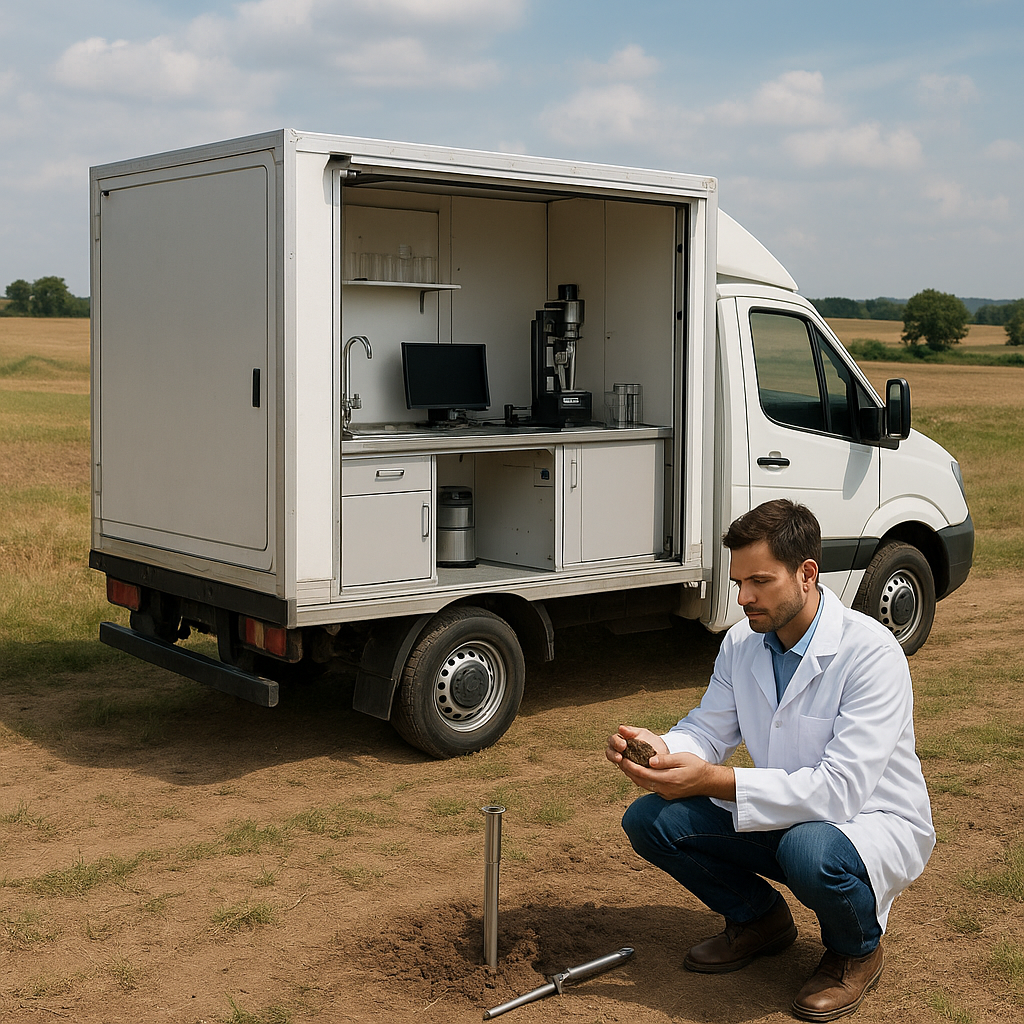
Access to accurate soil analysis is crucial for optimizing crop yields and ensuring sustainable agricultural practices. Traditional soil testing methods often require samples to be sent to distant laboratories, causing delays and increased costs. Mobile soil testing labs offer a transformative solution, bringing rapid diagnostics directly to rural communities. This article explores the relevance, design, implementation, and impact of these labs in strengthening agricultural productivity and supporting smallholder farmers.
Importance of Soil Diagnostics in Modern Agriculture
Precise knowledge of soil characteristics enables cultivators to tailor nutrient management, reduce environmental impact, and enhance overall farm performance. Critical soil parameters include pH, organic matter content, macro- and micronutrient levels, and texture. Without on-site testing, many growers rely on generic recommendations that can lead to overfertilization, nutrient runoff, and wasted resources. By deploying mobile units equipped with advanced technology, agronomists and extension agents can deliver real-time insights, empowering farmers to make data-driven decisions.
Key advantages of immediate soil analysis include:
- Optimized fertilizer application rates to prevent nutrient imbalances.
- Reduced input costs through targeted amendments.
- Enhanced crop resilience and yield stability.
- Minimized ecological footprint by preventing chemical leaching.
Innovative Mobile Laboratories: Design and Functionality
Creating a functional mobile testing unit requires a thoughtful combination of portability, precision, and durability. Typical components of a mobile lab include:
- Sample Preparation station with grinders and sieves to homogenize soil.
- Portable pH and electrical conductivity meters for quick screenings.
- Spectrophotometers or handheld X-ray fluorescence (XRF) analyzers for nutrient quantification.
- On-board computer systems with specialized software for data collection and interpretation.
- Power solutions such as solar panels and rechargeable batteries for off-grid operation.
To ensure reliability in rugged conditions, components are housed within shock-absorbing casings, and sensitive instruments are secured against dust and moisture. The mobile lab can be mounted on a trailer, off-road vehicle, or even fitted into a shipping container, depending on the geographical constraints of the target region.
Workflow and Data Management
Efficient workflows are essential to maximize throughput during field campaigns. A typical process involves:
- Collecting representative soil cores from designated plots.
- Labeling and recording sample metadata such as GPS coordinates and crop history.
- Performing sequential tests: pH first, followed by nutrient assays and texture analysis.
- Uploading results to a cloud-based platform for instant access by farmers and agronomists.
Integration with mobile apps allows participants to visualize trends in soil fertility, track changes over time, and receive tailored recommendations on irrigation scheduling, seed selection, and nutrients management.
Impact on Rural Farming Communities
Access to mobile soil laboratories significantly enhances the capacity of rural economies. Small-scale growers often operate on thin margins and cannot afford high-cost laboratory services. By reducing logistical barriers, these units deliver the following benefits:
- Increased crop yields through adoption of precision agriculture techniques.
- Lowered expenditure on unnecessary chemical inputs.
- Empowerment of local extension workers with hands-on training in soil science methodologies.
- Creation of seasonal employment opportunities, from sample collection to data entry.
Case studies in regions with semi-arid climates have shown yield improvements of up to 30% in staple cereals when farmers adopt recommendations derived from mobile lab analyses. In addition, better nutrient stewardship supports long-term sustainability of the land, promoting healthy ecosystems and reducing soil degradation.
Challenges and Future Directions
While mobile soil testing labs present many advantages, several obstacles must be overcome for widespread adoption:
- Cost of advanced analytical instruments can be prohibitive for initial setup.
- Ensuring consistent calibration and maintenance of sensitive equipment in harsh field conditions.
- Training local personnel to interpret complex data and integrate findings into farm management plans.
- Securing reliable internet connectivity in remote areas to enable cloud-based reporting.
Emerging trends aim to address these issues by:
- Developing low-cost biosensors and lab-on-a-chip platforms for nutrient analysis.
- Deploying satellite and drone-based imaging to complement ground-truth data.
- Implementing blockchain solutions to ensure transparency in the value chain.
- Promoting public-private partnerships to subsidize equipment and expand service networks.
Innovations in artificial intelligence and machine learning are poised to enhance predictive modeling of crop responses based on soil and weather parameters, enabling even more refined agronomic counsel. By combining mobile technology with digital agriculture tools, stakeholders can co-create resilient food systems adapted to local needs.
Integrating Mobile Labs into Broader Agricultural Strategies
To maximize the impact of mobile soil testing, integration with existing agricultural programs is essential. Governments and non-governmental organizations can:
- Incorporate mobile lab services into extension outreach curriculums.
- Offer subsidized vouchers to smallholders for periodic soil health assessments.
- Leverage community centers as hubs for dissemination of soil fertility reports.
Moreover, linking soil diagnostics with initiatives in water management and crop insurance creates a holistic support system for rural producers. By aligning policy, finance, and irrigation infrastructure improvements, mobile labs become vital nodes within a sustainable agricultural framework that benefits both people and the planet.