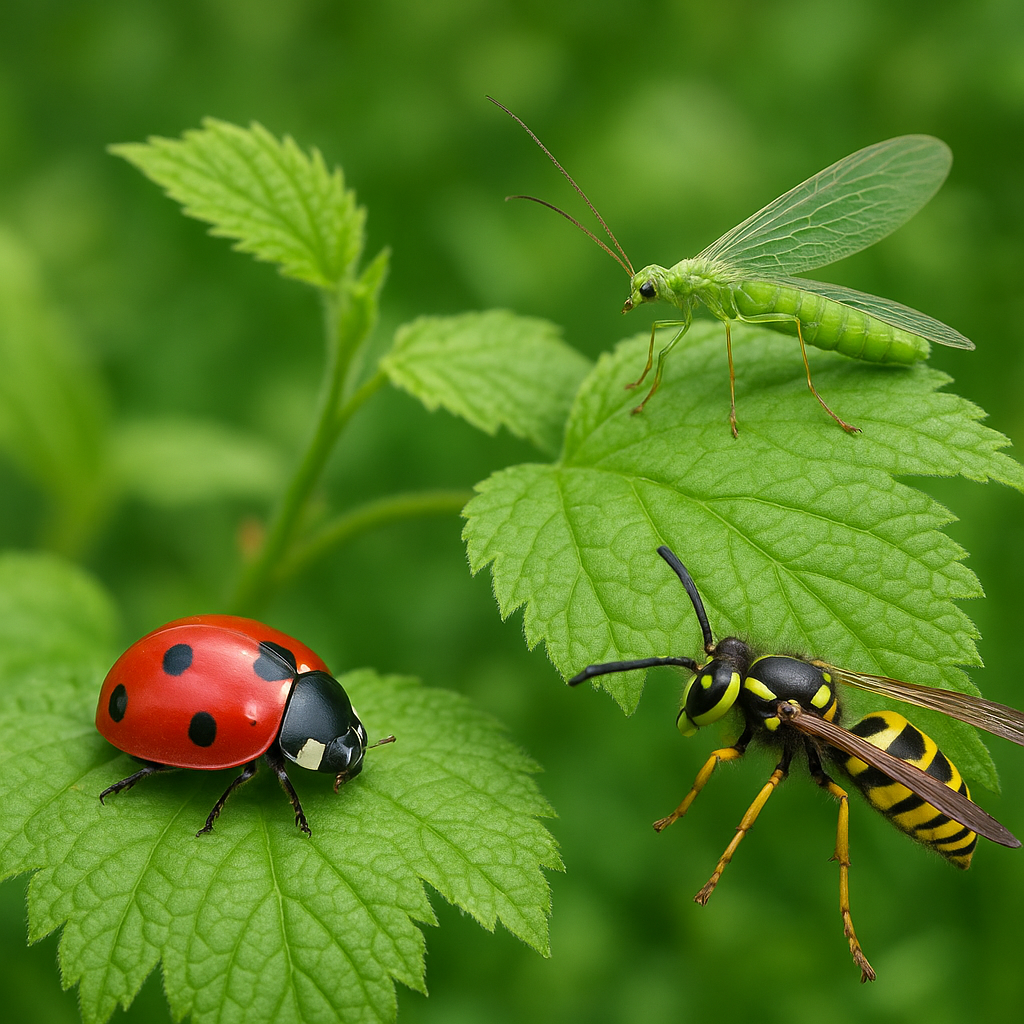
Effective management of crop health often hinges on harnessing the power of nature’s own defense mechanisms. By integrating biological control strategies and leveraging the skills of beneficial insects, growers can curb pest outbreaks while preserving environmental integrity. This approach not only boosts agricultural productivity but also promotes sustainability across the entire food production chain.
Understanding Biological Pest Control
At its core, biological control involves using living organisms to suppress pest populations. Unlike chemical pesticides, which may harm non-target species and lead to resistance, this method relies on natural interactions within the ecosystem. Farmers observe pest life cycles, monitor population dynamics, and then introduce or conserve specific predators and pathogens to achieve balanced crop protection.
Types of Biological Agents
- Predators: Organisms that consume multiple prey individuals throughout their life (e.g., ladybugs, lacewings).
- Parasitoids: Insects whose larvae develop inside or on a single host, eventually killing it (e.g., braconid wasps).
- Pathogens: Microbes such as fungi, bacteria, or viruses that cause disease in pests (e.g., Bacillus thuringiensis).
Advantages Over Conventional Chemicals
- Reduced risk of pesticide resistance, ensuring long-term effectiveness.
- Minimal environmental contamination and protection of beneficial fauna.
- Improved worker safety since exposure to toxic chemicals is lessened.
Key Natural Predators and Their Roles
Selecting the right predator requires understanding both pest behavior and predator biology. Several well-studied species have proven their worth in field and greenhouse settings.
Ladybugs (Coccinellidae)
Ladybugs are voracious consumers of aphids, whiteflies, and scale insects. A single adult can eat hundreds of aphids in its lifetime. Their mobility and adaptability make them a staple in many integrated pest management systems.
Predatory Mites
Species such as Phytoseiulus persimilis attack spider mites on various vegetable and ornamental crops. They excel in hot, humid environments, often achieving rapid suppression of mite outbreaks.
Parasitoid Wasps
Wasps in the families Ichneumonidae and Braconidae target caterpillars, aphids, and beetle larvae. By depositing eggs inside hosts, they ensure the next wasp generation emerges only after the pest has been neutralized, offering highly efficient control.
Implementing Predator-Based Pest Management in Fields
Successful deployment of natural predators demands careful planning, monitoring, and habitat management. Farmers should adopt a holistic view, focusing on both predator and prey populations.
Habitat Enhancement
- Planting flowering strips to provide nectar and pollen as supplementary food sources for adult predators.
- Maintaining ground cover or mulches to offer shelter and overwintering sites.
- Reducing tillage intensity to preserve soil-dwelling beneficials.
Timing and Release Strategies
- Targeted release during early pest infestation stages maximizes predator impact.
- Employing sequential releases to maintain consistent predator pressure.
- Combining different predator species for complementary control of multiple pests.
Monitoring and Thresholds
Regular scouting helps determine pest density and informs whether additional predator releases are necessary. Threshold levels vary by crop and pest; adhering to established guidelines prevents unnecessary interventions.
Challenges and Best Practices
While natural predator use yields many benefits, problems can arise if conservation measures are neglected or if non-target effects occur.
- Environmental factors such as extreme temperatures and heavy rain can reduce predator survival rates.
- Introduction of non-native species must be strictly regulated to avoid ecological imbalances.
- Coordination with neighboring farms prevents pest reinfestation from untreated fields.
Best practices involve integrating predator releases with other cultural methods—crop rotation, resistant varieties, and precision irrigation—to reinforce crop resilience. Digital tools, such as remote sensing and data analytics, further enable farmers to predict pest outbreaks and optimize integrated pest management efforts.
Future Prospects in Predator-Based Control
Advancements in biotechnology and entomology promise to enhance the specificity and efficacy of predator-based solutions. Genetic studies enable selection of predator strains with superior hunting behavior, while novel delivery systems facilitate controlled release in remote areas. With growing demand for natural enemies and eco-friendly alternatives, the agricultural sector is steadily shifting toward more resilient, low-input cropping systems.
By embracing the synergy between crops and their predators, growers can maintain high yields, safeguard biodiversity, and pave the way for a truly sustainable future in agriculture.