Greenhouse agriculture continually evolves as growers seek methods that boost productivity, conserve resources, and ensure consistent quality. Harnessing advanced robotic solutions transforms enclosed cultivation into a more precise and sustainable practice. By blending autonomous machines with real-time monitoring and intelligent control systems, modern greenhouses can achieve higher yields with reduced labor demands. This article explores key areas where robotics reshapes greenhouse management, highlighting innovations that deliver tangible benefits for producers and the environment.
Innovations in Crop Monitoring
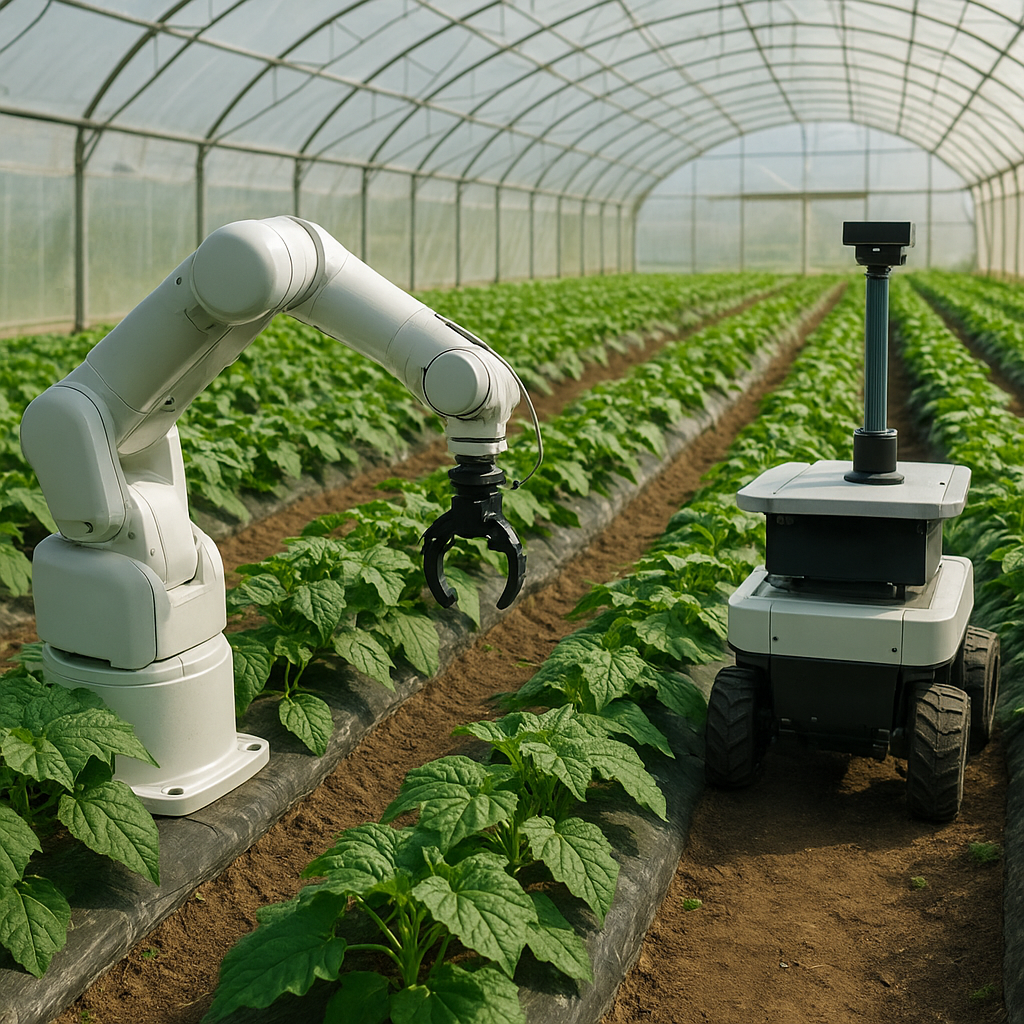
Comprehensive surveillance of plant health forms the backbone of effective greenhouse operations. Traditional manual inspections are time-consuming and prone to human error. Enter autonomous monitoring robots equipped with high-resolution cameras, hyperspectral sensors, and environmental probes. These robotics platforms navigate aisles, capture data on leaf color, growth rates, and microclimate factors, then relay findings to a central management system.
Key Components of Robotic Scouts
- Spectral Imaging Sensors: Detect stress before visible symptoms appear.
- Environmental Probes: Measure temperature, humidity, CO₂ levels at multiple canopy heights.
- Machine Vision Algorithms: Classify leaf shapes, detect chlorosis, and assess fruit size.
- Wireless Communication: Enable real-time data transfer to growers and AI platforms.
Data collected by these mobile units feeds into analytics engines that apply pattern recognition and growth models. For instance, chlorophyll fluorescence readings can indicate nutrient deficiencies. When a robotic scout identifies underperforming zones, it triggers alerts for targeted intervention—avoiding blanket applications of fertilizers or pesticides and fostering sustainability.
Benefits of Precision Monitoring
- Increased Yield Consistency: Early detection of stress events prevents crop losses.
- Labor Optimization: Technicians focus on actionable tasks rather than routine checks.
- Resource Conservation: Inputs such as water and nutrients are applied only where needed.
- Scalable Solutions: Fleets of small robots cover large facilities with redundancy.
Automated Irrigation and Nutrient Management
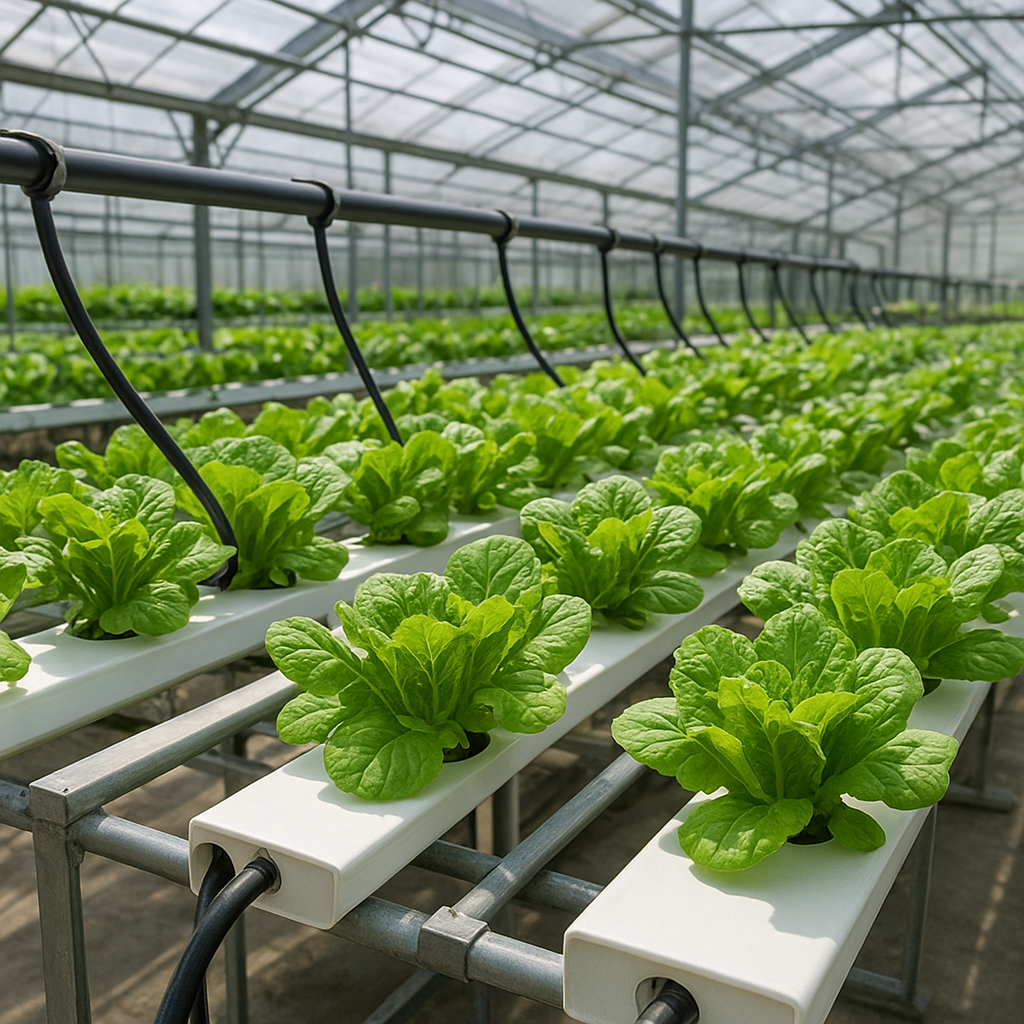
Optimal water and nutrient delivery is a delicate balance that directly influences plant performance. Manual schedules often fail to account for local variations in soil moisture or plant uptake rates. Robotics-driven irrigation systems integrate soil moisture sensors, flow meters, and dosing pumps, orchestrated by intelligent controllers to deliver precise volumes of solutions.
Framework of an Automated Delivery System
- Capacitive Soil Moisture Sensors: Provide continuous volumetric water content readings.
- Multi-Channel Dosing Pumps: Mix macro- and micronutrients in exact proportions.
- Variable-Rate Drip Lines: Adjust flow per zone according to plant size and stage.
- Control Software with AI Modules: Learn consumption patterns and optimize future schedules.
Imagine a scenario where young transplants require higher nitrogen ratios, while mature fruiting plants benefit from elevated calcium levels. The system records plant growth stages and calibrates mixture recipes dynamically. Through automation, water usage can drop by up to 30%, and nutrient runoff is minimized, reducing environmental impact and lowering input costs.
Operational Advantages
- Uniform Delivery: Eliminates under- or over-watering hotspots.
- Predictive Scheduling: Forecasts irrigation needs using weather and solar radiation data.
- Remote Oversight: Growers monitor system performance via mobile dashboards.
- Emergency Alerts: Automated notifications for pump failures, leaks, or blockages.
Pest Control and Disease Prevention
Pest infestations and disease outbreaks pose serious threats to greenhouse profitability. Conventional chemical interventions are blunt instruments that can damage beneficial insects and lead to resistance. Innovative robotic solutions offer targeted approaches to safeguard crops.
Autonomous Biocontrol Dispensers
These mobile units navigate between plant rows, releasing predatory insects, mites, or entomopathogenic fungi at precise locations. Using onboard cameras and AI detection algorithms, the robots identify early signs of pest activity—such as leaf holes or larval movement—and deploy biological agents on-the-spot. This strategy maximizes efficacy while reducing overall biocontrol usage.
Laser-Based Weed and Pest Removal
High-precision laser systems mounted on gantries or wheeled platforms can zap unwanted seedlings or small insects without chemicals. By leveraging computer vision, the lasers differentiate between crop and weed species at the pixel level, targeting only undesirables. This method promotes an organic resilience strategy in certified production.
- Selective Weed Control: Eliminates competition for nutrients without herbicides.
- Non-Chemical Pest Management: Addresses thrips, aphids, and mites efficiently.
- Integration with Monitoring Robots: Coordinated actions based on mapping data.
- Energy Efficiency: Low-power diode lasers minimize electricity demands.
Robots also facilitate disease prevention through sterilization tasks. Ultraviolet LED arrays can disinfect benches, tools, and pathways overnight, curbing fungal spore transmission. Additionally, autonomous platforms equipped with misting nozzles apply biopesticides in fine droplets, ensuring canopy-wide coverage without saturating leaves.
Integrated Pest Management Workflow
- Continuous Surveillance: Early alerts for threshold-level pest populations.
- Targeted Biocontrol Applications: Deploy natural enemies where they’re most needed.
- Minimized Chemical Usage: Fewer broad-spectrum interventions.
- Data-Driven Adjustments: Optimize timing and dosage based on historical records.