The expansion of cellular agriculture marks a revolutionary shift in food production, drawing on advances in biotechnology to cultivate meat directly from animal cells. By harnessing the power of stem cells, growth media and cutting-edge bioreactors, researchers aim to create a new paradigm that blends innovation, animal welfare and sustainability. This article delves into the foundations, challenges and promising horizon of lab-grown meat, exploring how this nascent sector could redefine the global supply chain and address mounting environmental and ethical concerns.
The Rise of Cellular Agriculture
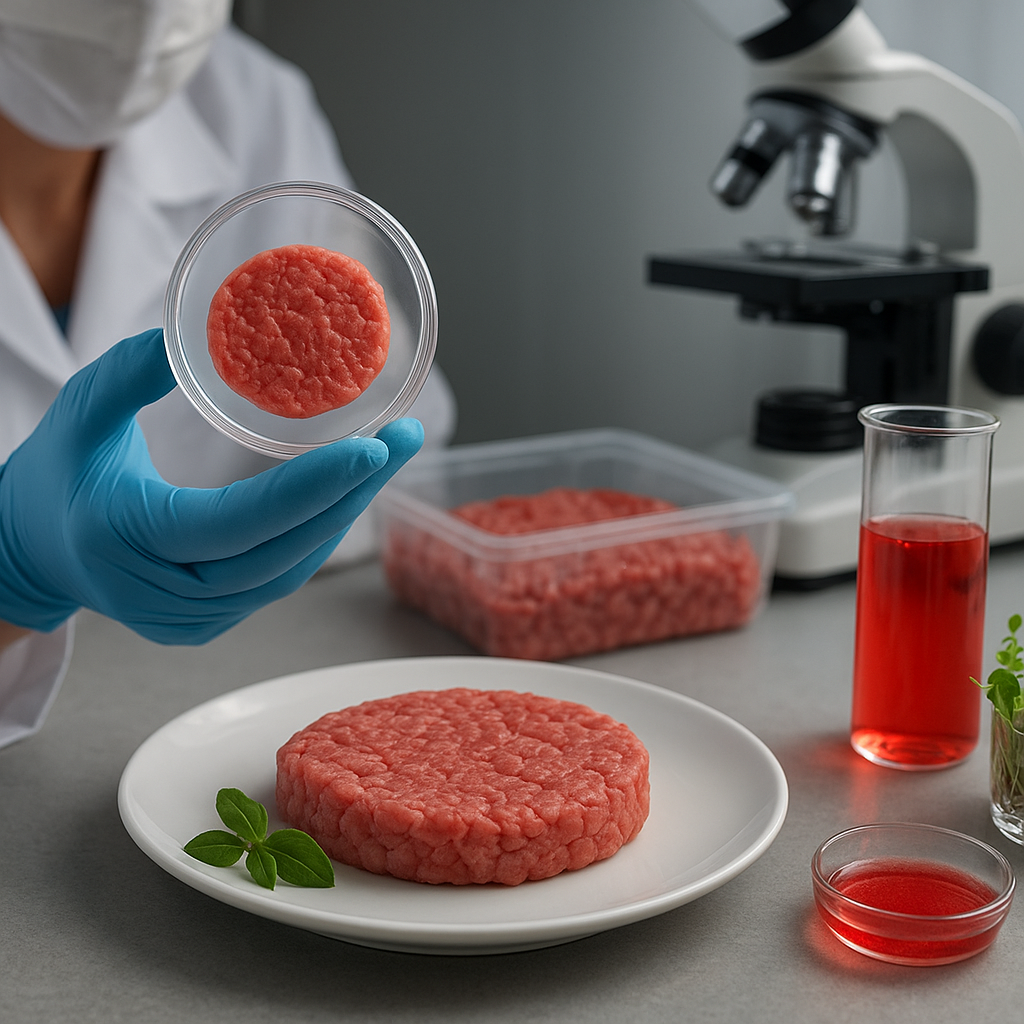
Cellular agriculture emerged from decades of research into tissue engineering and regenerative medicine, initially targeting medical applications such as organ repair. Over time, scientists recognized the potential to adapt these techniques to food production by culturing muscle cells, fat cells and supportive tissues outside a living animal. This process typically involves isolating stem or progenitor cells, providing them with a nutrient-rich growth medium, and allowing them to proliferate on a suitable scaffold or substrate.
Origins and Milestones
The journey began in the early 2000s, with pioneering labs experimenting with small-scale cell cultures. By 2013, the world witnessed the unveiling of the first lab-grown burger, costing over $300,000 to produce. Since then, advancements in cell banking, optimized media formulations and cost reductions have accelerated development. Key milestones include:
- Establishment of immortalized livestock cell lines for consistent culture
- Development of plant-based and recombinant growth factors
- Demonstration of 3D tissue constructs resembling steak and poultry cuts
- Collaboration between startups, academic institutions and government agencies
Today’s endeavors focus on scalability and achieving texture and flavor parity with conventionally raised meat. The sector draws on expertise from genetics, food science and mechanical engineering to fine-tune the processes required for large-scale commercial production.
Technological Innovations and Challenges
Scaling up from petri dishes to industrial volumes presents a host of technical hurdles. Core components include cell proliferation, differentiation, scaffold design and bioreactor optimization. Each element must be engineered to maintain nutritional content, structural integrity and sensory qualities.
Scaffold and Bioreactor Design
Scaffolds serve as three-dimensional frameworks that guide cell attachment and tissue maturation. Innovations range from edible plant-based matrices to biodegradable synthetic polymers. Meanwhile, stirred-tank, perfusion and microcarrier bioreactors are under continuous refinement to deliver uniform mixing, oxygenation and waste removal. Key design considerations:
- Mass transfer efficiency to supply oxygen and nutrients
- Shear stress minimization to avoid cell damage
- Cost-effective, food-grade materials suitable for FDA and EFSA approval
Optimizing Growth Media
Traditional growth media rely on fetal bovine serum (FBS), an expensive and ethically problematic component. Current research targets plant and microbial hydrolysates, recombinant proteins and synthetic amino acid mixtures to create serum-free formulations. Reducing or eliminating FBS is critical to lowering production costs and improving ethical credentials.
Quality Control and Safety
Ensuring product consistency requires rigorous monitoring of cell line stability, absence of pathogens and compliance with food safety regulations. Advanced analytical tools, such as metabolomic profiling and genomic sequencing, are employed to verify that lab-grown meat meets strict standards for human consumption.
Environmental and Ethical Impacts
The environmental footprint of conventional animal agriculture is substantial, encompassing land use, water consumption and greenhouse gas emissions. In contrast, cellular agriculture promises to deliver significant reductions in these metrics, although precise figures depend on energy sources and production efficiencies.
Comparative Life-Cycle Assessment
Preliminary studies suggest potential benefits:
- Up to 90% less land use compared to traditional livestock grazing
- Reduction in water usage by 60–90% relative to cattle farming
- Lower methane and nitrous oxide emissions, crucial for mitigating climate change
However, the reliance on electricity and climate-controlled facilities implies that carbon footprint gains hinge on the adoption of renewable energy and improved process yields.
Animal Welfare and Ethics
One of the most compelling ethical advantages of lab-grown meat is the dramatic decrease in animal suffering. By sourcing cells from a small biopsy instead of slaughter, producers can generate vast quantities of meat protein without maintaining or killing herds. This shift aligns with growing consumer concerns regarding factory farming conditions and animal rights.
Market Adoption and Future Prospects
Transitioning from laboratory prototypes to supermarket shelves involves navigating economic, regulatory and consumer acceptance challenges. Early market entrants focus on niche products—such as cultured seafood and poultry—where fewer textural complexities exist compared to red meat.
Cost Trajectories
Production costs have plummeted since the inaugural lab burger, but reaching price parity with factory-farmed options remains a key goal. Economies of scale, improved bioreactor designs and optimized media formulations are expected to drive costs down further over the next decade.
Regulatory Frameworks
Regulators worldwide are crafting guidelines for cell-based foods. Singapore became the first country to approve a cultured meat product, while agencies in the US and EU are evaluating safety dossiers. Harmonized global standards will be crucial to facilitate international trade and consumer trust.
Consumer Perceptions and Branding
Public attitudes are shaped by transparency, pricing and taste performance. Effective communication strategies emphasize the health benefits, reduced environmental impact and ethical advantages. Collaboration with chefs and foodservice partners can showcase culinary versatility and drive trial.
As scalability improves and regulatory pathways clear, cellular agriculture stands poised to become a mainstream component of the food system. Continued investment, interdisciplinary research and strategic partnerships will be instrumental in realizing the vision of abundant, sustainable and ethically produced protein.