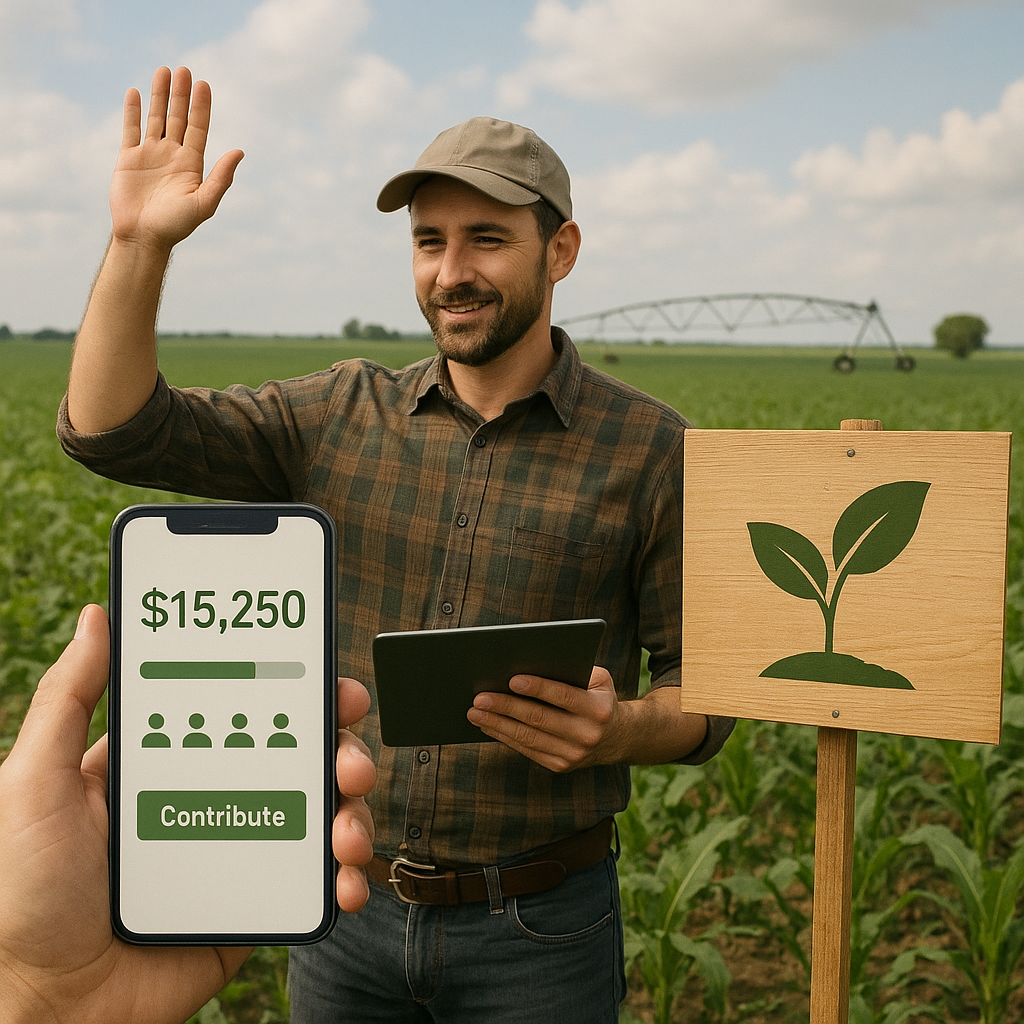
In the evolving realm of agriculture, crowdfunding emerges as a strategic avenue for channeling resources and nurturing innovation. This article explores how decentralized financial contributions support technological, social, and environmental advancements on farms and in rural communities.
Harnessing Crowd Power for Farm-Level Breakthroughs
Traditional funding channels often struggle to accommodate the unique risk profiles and long development cycles found in the agricultural sector. By contrast, crowdfunding platforms offer a direct line between project creators and backers, breaking down barriers that once hindered early-stage entrepreneurs. Farmers, agritech startups, and community-led cooperatives now present their proposals directly to a global audience of supporters, securing vital resources while validating demand before scaling production.
Innovative Project Types
- Precision agriculture tools powered by drones and sensors
- Organic seed banks preserving heirloom varieties
- Renewable energy installations, such as solar-powered irrigation
- Urban farming initiatives converting rooftops into green spaces
- Agroforestry demonstrations that combine tree planting with crop cultivation
Each of these initiatives leverages the collective interest of a community eager to foster sustainability and resilience in food systems. By involving backers at an early stage, project leaders gain valuable feedback, forging stronger relationships and ensuring that final products align with genuine market needs.
Crowdfunding Platforms and Models
Various models of crowdfunding cater to distinct objectives and stakeholder preferences. Selecting the right structure is key to maximizing engagement and ensuring alignment with long-term goals.
Reward-Based Crowdfunding
Supporters receive non-financial incentives—often early access to products, branded merchandise, or invitations to farm tours. This model excels at pre-selling innovative tools, such as soil nutrient analyzers or mobile apps that track crop performance. For producers, it represents a low-risk way to gauge market interest and generate initial revenue without giving up equity.
Equity Crowdfunding
Investors receive shares or profit-sharing agreements in return for capital infusion. This approach suits larger projects like automated greenhouse facilities or biotech R&D for disease-resistant crop varieties. Through regulated platforms, both accredited and non-accredited investors can participate, democratizing access to growth-stage agricultural ventures while imposing stricter compliance and reporting requirements.
Debt-Based Crowdfunding (Peer-to-Peer Lending)
Also known as crowdlending, this model allows farmers and agribusinesses to secure loans directly from individual lenders at competitive interest rates. The streamlined process can be more accessible than traditional rural finance channels, empowering smallholders to invest in equipment upgrades or inventory expansion while repaying over agreed terms.
Donation-Based Crowdfunding
Ideal for social and environmental projects, donation-based campaigns marshal charitable contributions to support causes such as soil conservation, watershed rehabilitation, or training workshops for rural women entrepreneurs. While contributors do not expect monetary returns, they often value impact reports, community recognition, and transparency in fund utilization.
Advantages and Impacts on Agricultural Innovation
By mobilizing a diverse pool of supporters, crowdfunding cultivates a fertile ground for innovation in agriculture. Key benefits include:
- Risk Sharing: Distributes financial risk across numerous backers rather than relying solely on a single investor or lender.
- Market Validation: Early feedback from global communities guides product refinement, reducing the likelihood of failed launches.
- Community Engagement: Encourages transparency and builds trust, turning backers into brand ambassadors and repeat customers.
- Accelerated Development: Quick access to funds enables rapid prototyping and testing of new technologies in real-world conditions.
- Financial Inclusion: Opens channels for smallholder farmers and underserved populations to access capital without heavy collateral requirements.
These advantages collectively foster an environment where technology adoption and sustainable practices can flourish. Projects that once lay dormant due to funding constraints now gain momentum, driving productivity enhancements and environmental benefits in parallel.
Challenges and Best Practices
While the promise of crowdfunding is compelling, successful campaigns require careful planning and execution. Common obstacles include:
- Insufficient marketing leading to low visibility
- Poorly defined goals and unrealistic funding targets
- Lack of compliance with local financial regulations
- Resource-intensive fulfillment of backer rewards
- Inadequate post-campaign communication causing trust erosion
To navigate these challenges, project owners should adopt the following best practices:
- Craft a compelling narrative that highlights the social and environmental impact of the initiative
- Engage prospective backers early via social media, workshops, and pilot demonstrations
- Collaborate with local cooperatives, NGOs, and agricultural extension services to broaden outreach
- Offer clear, transparent milestones and regular progress updates
- Ensure logistical planning for timely delivery of rewards and adherence to promised timelines
By embedding these strategies, campaigners transform potential pitfalls into opportunities for deeper community ties and long-lasting partnerships.
Future Perspectives and Emerging Trends
As global demand for resilient food systems intensifies, accessibility and adaptability become critical success factors. Crowdfunding platforms are evolving to integrate advanced features such as blockchain-based traceability, AI-driven matchmaking between projects and backers, and dynamic funding mechanisms that release capital in tranches upon achievement of key performance indicators.
Emerging trends to watch include:
- Integration of digital twin technology to allow virtual farm simulations for potential investors
- Green bonds and impact tokens dedicated to climate-smart agriculture
- Collaborative funding hubs bridging traditional banks with community crowds
- Tokenization of crop yields as tradeable assets on decentralized markets
- Enhanced focus on regenerative practices rewarded through sustainability-linked crowdfunding models
These developments promise to reshape how agricultural ventures attract investment and deliver measurable outcomes. By aligning financial incentives with environmental stewardship and social equity, the next frontier of crowdfunding will underpin a more resilient, innovative, and inclusive agrifood ecosystem.