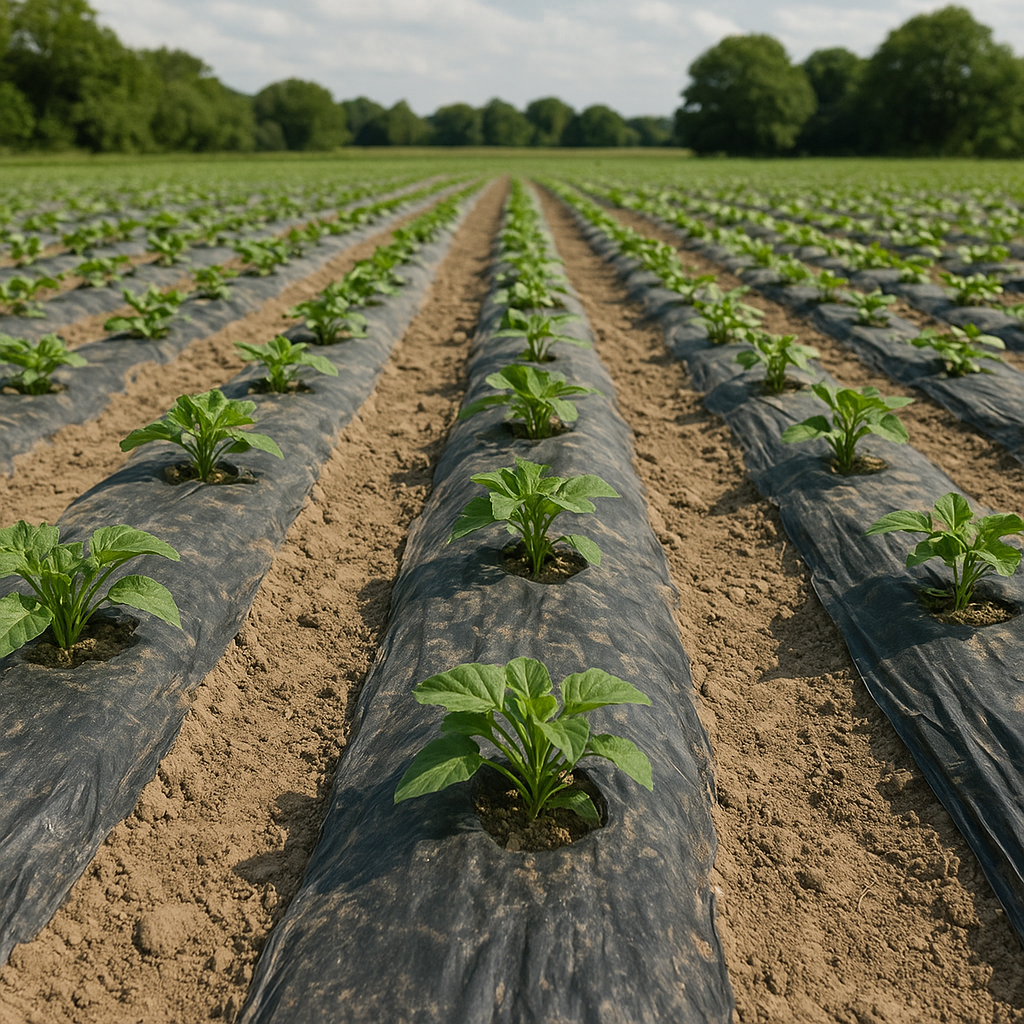
Biodegradable mulch films have emerged as an innovation in agriculture, aiming to address the growing concerns over plastic waste and its impact on environmental health. By integrating film technology that breaks down naturally, farmers can maintain optimal soil temperature, conserve moisture, and suppress weeds—all while avoiding the long-term pollution associated with conventional plastics. This article explores the core benefits, material science, practical applications, and future directions for these advanced films.
Benefits of Biodegradable Mulch Films
Traditional polyethylene mulches, though effective for crop management, contribute to persistent plastic residues that accumulate in soils and waterways. By contrast, biodegradable alternatives offer several sustainability-oriented advantages:
- Soil Health Preservation: The films decompose into harmless byproducts, enhancing microbial activity without leaving inert fragments.
- Water Conservation: Mulch reduces evaporation, helping fields withstand dry spells and lowering irrigation demands.
- Weed Control: Surface coverage inhibits weed germination, reducing herbicide reliance and labor costs.
- Temperature Regulation: By trapping heat, early-season growth is accelerated, leading to potentially higher yield.
- Reduced Disposal Needs: After the crop cycle, there is no need for collection and landfill transport of residual plastics.
These functional benefits contribute to an overall reduction in the carbon footprint of crop production systems.
Material Composition and Degradation Mechanisms
Polymer Types and Additives
Biodegradable mulch films are formulated from various polymer families, each tailored for specific degradation profiles:
- Polylactic Acid (PLA): A bio-based polymer derived from fermented plant starch, known for its predictable breakdown under industrial composting conditions.
- Polyhydroxyalkanoates (PHA): Naturally produced by bacterial fermentation, offering good mechanical strength and soil biodegradability.
- Starch Blends: Starch is often combined with biodegradable polyesters to balance cost with performance.
- PBAT (Polybutylene Adipate-co-Terephthalate): A flexible synthetic polyester that degrades into water and carbon dioxide under both aerobic and anaerobic soil conditions.
Mechanisms of Biodegradation
Degradation proceeds via multiple pathways:
- Hydrolysis: Water molecules cleave polymer chains into shorter segments.
- Microbial Activity: Soil bacteria and fungi secrete enzymes that metabolize degraded fragments, converting them into biomass, CO₂, and water.
- Abiotic Factors: Ultraviolet radiation and soil temperature accelerate chemical breakdown, especially for photo-reactive additives.
A balanced formulation ensures the film persists long enough to support crop growth—often two to four months—then gradually disappears, minimizing risk of microplastics accumulation.
Applications and Field Performance
Vegetable Production
In high-value vegetable systems such as tomatoes, peppers, and cucumbers, mulch films play a vital role:
- Early Warmth: Black or clear films warm the seedbed, promoting germination even in cooler regions.
- Moisture Uniformity: Drip irrigation integrated under mulch ensures consistent soil moisture.
- Pest Reduction: By forming a physical barrier, films deter certain soil-borne pests and reduce disease incidence.
Fruit Orchards and Vineyards
Orchards benefit from reduced weed competition around young saplings, leading to faster establishment and improved nutrient uptake. In vineyards, groundcover films help maintain vine vigor and fruit quality while simplifying row maintenance.
Field Crops and Specialty Uses
Recently, trials in strawberries, melons, and even tobacco demonstrate that biodegradable mulches can match or exceed performance of traditional plastics. The key is selecting the appropriate film thickness and degradation rate for each crop’s growth cycle.
Comparative field studies often report:
- 15–30% yield increase due to improved microclimate control.
- Reduction in irrigation water use by up to 25%.
- Significant labor savings from eliminated film retrieval operations.
Challenges and Future Perspectives
Despite promising outcomes, several hurdles remain before widespread adoption:
- Cost Parity: Biodegradable films currently incur 20–50% higher upfront costs than polyethylene equivalents.
- Degradation Consistency: Variability in soil types, moisture levels, and microbial populations can affect breakdown rates, occasionally leaving traces of film at harvest.
- Regulatory Standards: Harmonized guidelines for biodegradability testing in real agricultural settings are still under development.
- Farmer Education: Producers need training to optimize selection and application techniques for different cropping systems.
Ongoing research focuses on:
- Synthetic biology approaches to engineer microbes that accelerate film decomposition without harming crops.
- Hybrid films combining polymer blends for tailored degradation.
- Life cycle analyses to fully quantify net environmental gains, including soil carbon sequestration and reduced plastic waste.
As demand for eco-friendly agricultural inputs grows, biodegradable mulches represent a key step toward truly sustainable crop production. Continued collaboration among material scientists, agronomists, and policymakers will be essential to refine formulations, lower costs, and ensure performance across diverse farming landscapes.