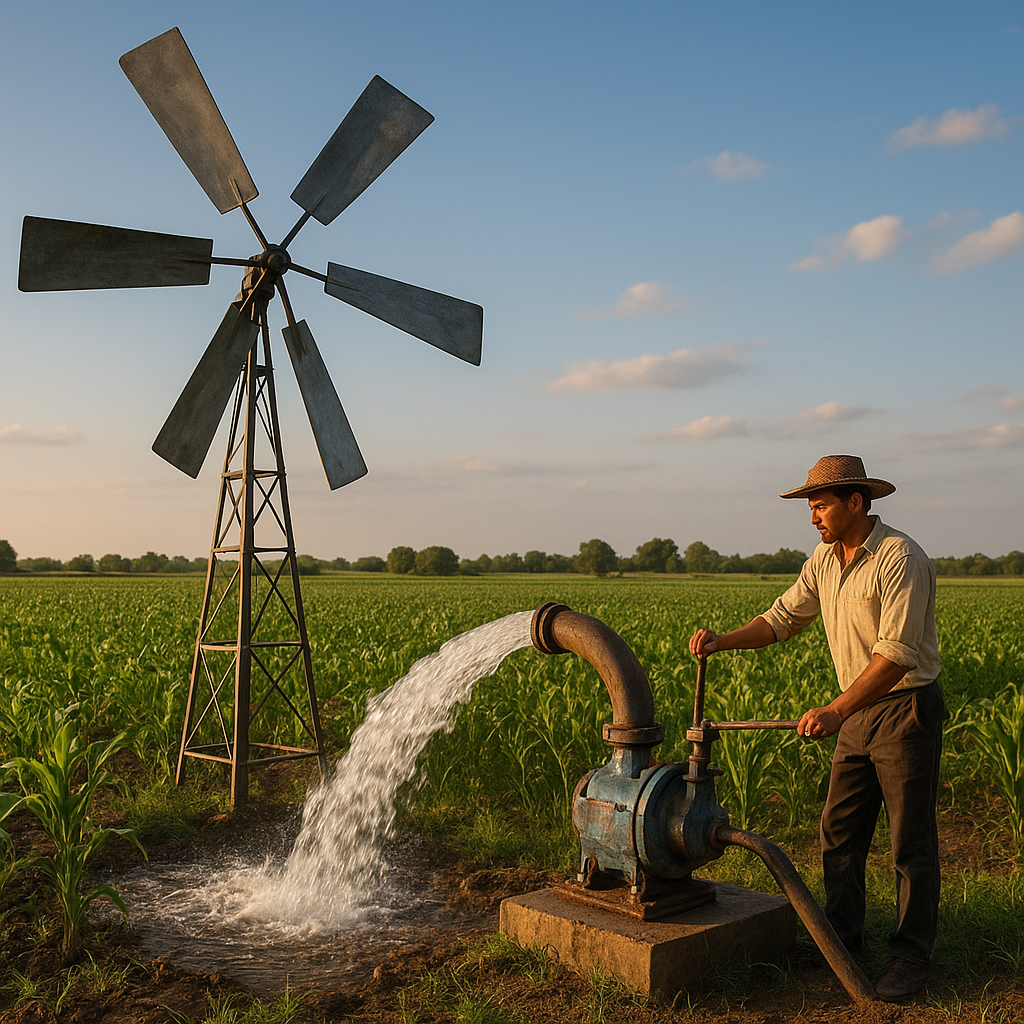
In many remote communities, access to consistent water supply is a vital element for successful irrigation and livestock farming. Wind-powered water pumps offer a reliable method to access groundwater without relying on grid electricity or diesel engines. Integrating these systems not only enhances self-sufficiency but also promotes sustainability in agricultural practices, ensuring that rural farmers can meet their water demands year-round.
Importance of Wind-Powered Water Pumping
Traditional pumping methods in rural areas often depend on expensive fuel or unstable electric grids, posing financial strain and environmental concerns. Wind-powered pumps harness the natural force of wind, converting kinetic energy into mechanical action. This approach delivers several key advantages:
- Renewable energy source: Wind is free and inexhaustible, reducing dependency on fossil fuels.
- Low operating expenses: Once installed, turbines require no fuel purchases, offering a cost-effective solution for farmers.
- Environmental stewardship: Eliminating greenhouse gas emissions aligns with conservation goals.
- Enhanced resilience: Systems continue functioning during power outages or fuel shortages.
Installing a wind-powered pump can transform small-scale farms into efficient, climate-smart operations. By tapping into local wind patterns, growers gain a steady flow of water that supports crop growth, animal husbandry, and community needs.
Technical Components and Working Principles
Wind-powered water pumps consist of several critical parts that work together to elevate water from underground aquifers to the surface:
- Turbines or rotors: Blades capture wind energy, spinning a central shaft.
- Gearbox or mechanical linkage: Adjusts rotational speed and torque for pumping action.
- Pump unit: Often a reciprocating piston or diaphragm pump designed for groundwater extraction.
- Support tower: Elevates the turbine to reach consistent wind streams above ground-level obstacles.
- Foundation and anchor system: Secures the tower against storms and variable wind loads.
How Wind Pumps Operate
When the wind blows, it drives the turbine blades, converting wind force into rotational motion. Through the gearbox, this rotation becomes a lever-like action on the pump rod, creating suction in the well and drawing water upward. Unlike electric motors, the system’s output directly corresponds to wind speed—higher winds yield increased water flow, while low winds reduce pumping rates. Some modern designs include variable-speed governors to protect components during high gusts and prevent structural stress.
Site Selection and Installation
Proper siting is crucial to maximize efficiency. Farmers should conduct anemometer studies to measure average wind speed over several months. Ideal locations stand clear of tall trees, buildings, or hills that create turbulence. The height of the tower typically ranges from 10 to 30 meters, depending on local wind shear and topography. Foundations must be engineered for soil conditions, and regular inspections of tower bolts and guy wires ensure long-term stability.
Economic and Environmental Benefits
Investing in wind-powered pumps presents both short-term and long-term gains for rural agricultural enterprises. From an economic standpoint, initial capital costs are often offset by savings on fuel, electricity, and repair of internal combustion engines. Many governments and NGOs offer grants or low-interest loans to support renewable agricultural infrastructure, further enhancing affordability.
- Reduced fuel imports and transportation logistics streamline farm budgets.
- Minimized carbon footprint contributes to eco-friendly certification schemes.
- Lower maintenance frequency compared to diesel engines—no filters or lubricants to change.
- Increased property value as sustainable infrastructure appeals to future buyers or investors.
Environmental advantages also extend beyond emission reductions. Consistent water availability enables efficient use of drip irrigation, reducing runoff, soil erosion, and nutrient loss. By tapping groundwater responsibly, farmers can maintain optimal water tables, preventing over-extraction and preserving aquifer health. Partnering with local conservation agencies ensures pump operation aligns with regional watershed management plans.
Challenges and Maintenance Strategies
Despite the clear advantages, wind-powered water pumps require diligent care and troubleshooting to maintain peak performance. Common challenges include mechanical wear, component corrosion, and uneven wind conditions. Farmers can adopt the following best practices to ensure long-term reliability:
- Routine inspections: Check blades, bearings, and fasteners at least twice a year.
- Lubrication schedules: Apply grease to moving parts per manufacturer guidelines to reduce friction.
- Blade cleaning: Remove debris and dust accumulation that can imbalance rotors and lower output.
- Spare parts inventory: Keep extra seals, rods, and capacity control devices on hand to minimize downtime.
- Protective coatings: Paint or galvanize exposed metal components to resist rust in humid or coastal regions.
In particularly remote locations, training local farmers on basic repairs fosters community ownership and autonomy. Workshops or farmer-to-farmer exchanges can disseminate practical knowledge about troubleshooting gearbox difficulties, aligning pump rods, and tensioning guy wires. Establishing cooperatives or maintenance clubs distributes the burden of labor and cost, ensuring that each system remains operational through seasonal challenges.
Case Study: A Community Transformation
In a semi-arid region of Sub-Saharan Africa, a group of farmers implemented wind-powered pumps on ten communal wells. Before installation, many households walked kilometers daily to fetch water for crops and livestock. Within a year, the community reported a 40% increase in vegetable production and a 60% decrease in waterborne illness, thanks to safer, more accessible irrigation. The project paid for itself through reduced diesel expenses in under three years and became a model for neighboring districts.
Future Innovations
Emerging research focuses on hybrid systems that pair wind pumps with solar panels and battery storage to smooth out supply during calm periods. Smart sensors integrated into the pump can monitor flow rates, wind speeds, and wear indicators, sending alerts via mobile networks. These advancements promise to optimize performance and extend equipment lifespan, delivering even greater returns to rural farmers.
Conclusion
Wind-powered water pumps represent a proven, sustainable technology that empowers rural farmers to manage their water resources efficiently. By combining thoughtful site selection, robust mechanical design, and community-driven maintenance, these systems secure reliable irrigation, enhance agricultural productivity, and foster long-term environmental stewardship. As global focus on climate-resilient farming grows, wind-driven pumping installations will continue to play a pivotal role in supporting rural livelihoods.