Agricultural residues, often deemed worthless byproducts of farming operations, are gaining recognition as vital resources for creating next-generation materials. By transforming crop stalks, husks, and pruning waste into biodegradable plastics, stakeholders can address waste management challenges while fostering innovation in material science. This article delves into the diverse pathways and benefits of converting agri-waste into sustainable bioplastics, highlighting technological advances, economic prospects, and practical applications.
Exploring Agricultural Residues as Prime Feedstocks
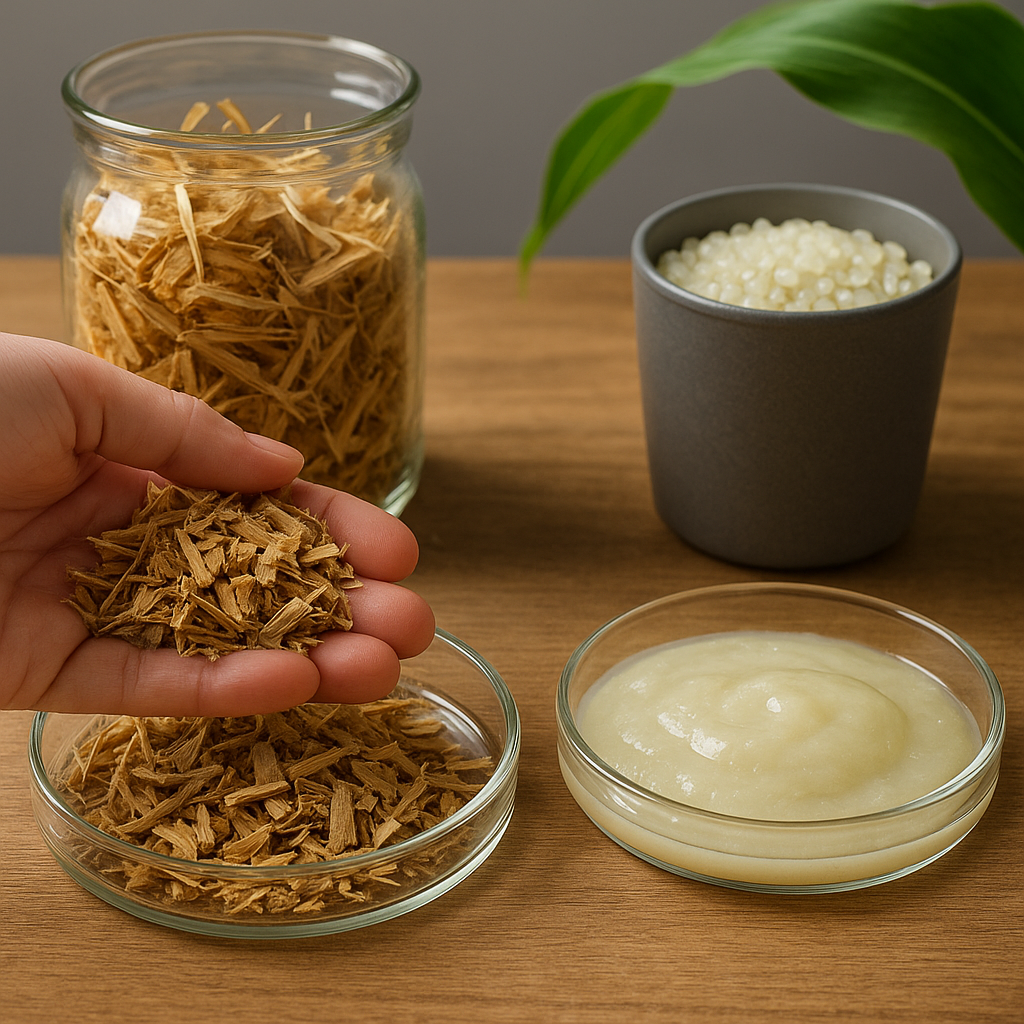
Farmers worldwide generate millions of tons of leftover biomass annually. Instead of incineration or landfilling, these residues can be harnessed for high-value products. Key sources include:
- Corn stover – stalks and leaves remaining after the harvest of maize.
- Rice husks – protective outer layers of rice grains rich in silica.
- Sugarcane bagasse – fibrous matter post-sugar extraction.
- Wheat straw – dry stalks that remain once the grain is removed.
- Fruit peels and pruning cuttings – often discarded during orchard maintenance.
These feedstocks are predominantly composed of lignocellulosic biomass, a complex mixture of cellulose, hemicellulose, and lignin. Effective valorization requires tailored pretreatment methods to break down this rigid structure into fermentable sugars and polymers.
Bioplastic Production Pathways and Innovations
Pretreatment and Hydrolysis Techniques
Pretreatment is crucial for enhancing the accessibility of polysaccharides. Key approaches include:
- Steam explosion – high-pressure steaming followed by rapid decompression.
- Acid or alkali hydrolysis – chemical treatment to disrupt lignin-carbohydrate bonds.
- Enzymatic hydrolysis – use of tailored cellulases and hemicellulases to yield monomeric sugars.
Optimizing these steps reduces inhibitors that hamper downstream fermentation and improves overall yield.
Microbial Fermentation and Polymerization
Once simple sugars are released, specialized microbial strains convert them into biopolyesters such as polyhydroxyalkanoates (PHA) or lactic acid, the precursor for polylactic acid (PLA). Advances include:
- Genetically engineered bacteria with enhanced substrate uptake and product titers.
- Co-culturing techniques enabling simultaneous utilization of mixed sugar streams.
- Continuous bioreactors that maintain steady-state conditions, boosting productivity.
Following fermentation, polymerization and purification steps yield a range of biodegradable resins suitable for extrusion, molding, or film blowing.
Economic and Environmental Benefits
Integrating agricultural waste valorization into existing farming or processing facilities offers several advantages:
- Circular economy enhancement by turning waste streams into marketable goods.
- Reduction of greenhouse gas emissions compared to petrochemical plastification.
- Additional revenue streams for farmers and rural communities.
- Lower dependence on finite fossil resources and improved energy security.
- Minimized environmental footprint through on-site waste management.
Life-cycle assessments consistently demonstrate that bioplastics derived from agri-residues can achieve carbon footprints up to 70% lower than conventional plastics, depending on the feedstock and processing route.
Applications and Market Opportunities
Packaging and Single-Use Items
Polylactic acid and PHA-based films and containers are increasingly used for:
- Food packaging – films, trays, and compostable cutlery.
- Retail bags – lightweight, home-compostable designs.
- Takeaway items – cups and straws that degrade in industrial composters.
Agricultural Mulch Films and Plant Pots
Traditional polyethylene mulch contributes to microplastic pollution when left in soils. Biodegradable alternatives made from upcycled biomass offer:
- Enhanced soil health as they break down into harmless byproducts.
- Labor savings – no need for film retrieval after crop cycles.
- Improved water retention and weed suppression during cultivation.
Challenges and Future Prospects
Despite promising developments, several hurdles remain:
- Feedstock variability – seasonal fluctuations affect supply consistency.
- Cost competitiveness – bioplastics must compete with low-priced conventional polymers.
- Scaling up – transferring lab-scale successes to industrial capacity requires investment.
- Regulatory frameworks – need for clear standards on biodegradability and compostability.
Ongoing research focuses on strain engineering, process intensification, and hybrid materials combining natural fibers with biopolymers. Innovations in value-added products, such as functional additives or bio-based composites, promise to broaden market acceptance.
Driving Sustainable Transformation in Agriculture
Upcycling crop residues into bioplastic materials represents a paradigm shift toward a more sustainable and resource-efficient agricultural sector. By embracing these technologies, stakeholders can reduce environmental impacts, unlock new economic opportunities, and pave the way for a truly circular bioeconomy. Collaborative efforts among farmers, researchers, and policymakers will be essential to catalyze large-scale adoption and ensure that bioplastics from agri-waste become a cornerstone of tomorrow’s green materials landscape.