Advancements in agricultural technology have paved the way for more sustainable and efficient water management practices. By integrating AI tools with field operations, farmers are now equipped to monitor, analyze, and optimize irrigation processes like never before. This synergy between cutting-edge technology and traditional farming methods not only enhances productivity but also conserves precious water resources in regions facing increasing scarcity. Throughout this article, we explore how intelligent systems transform water management in agriculture, delving into data acquisition, analytical models, and real-world implementations.
Smart Sensing and Data Collection
Effective water management begins with accurate and timely data. Modern farms leverage a network of IoT-enabled sensors that continuously measure soil moisture, ambient temperature, humidity, and nutrient levels. These sensors transmit data in real time, enabling farmers to gain a holistic view of field conditions:
- Soil Moisture Probes – Embedded at various depths, these devices measure volumetric water content to identify drought stress or waterlogging.
- Weather Stations – On-site stations record rainfall, solar radiation, wind speed, and evapotranspiration rates, critical inputs for irrigation scheduling.
- Satellite Imagery – Remote sensing provides multispectral data used to infer canopy vigor and identify zones requiring intervention.
- Ground-based drones equipped with thermal and multispectral cameras for high-resolution mapping of water distribution.
By consolidating these diverse streams of information, farmers can track microclimates and detect anomalies that impact crop health. The integration of edge computing allows preliminary data filtering to reduce bandwidth usage before uploading to central servers for deeper analysis.
AI-driven Analytics and Decision Support
Once data are collected, sophisticated algorithms take center stage. Machine learning models analyze historical and current datasets to forecast irrigation needs, predict yield responses, and even diagnose plant diseases linked to water stress. Key techniques include:
- Supervised Learning for correlating soil moisture patterns with crop growth stages and optimizing irrigation schedules.
- Unsupervised Learning to cluster fields into management zones, enabling variable-rate watering tailored to each zone’s unique characteristics.
- Reinforcement Learning for adaptive control, where an AI agent experiments with different irrigation strategies and learns which actions maximize water-use efficiency.
- Time-series analysis for short- and long-term forecasting of weather events, crucial for preemptive adjustments in water allocation.
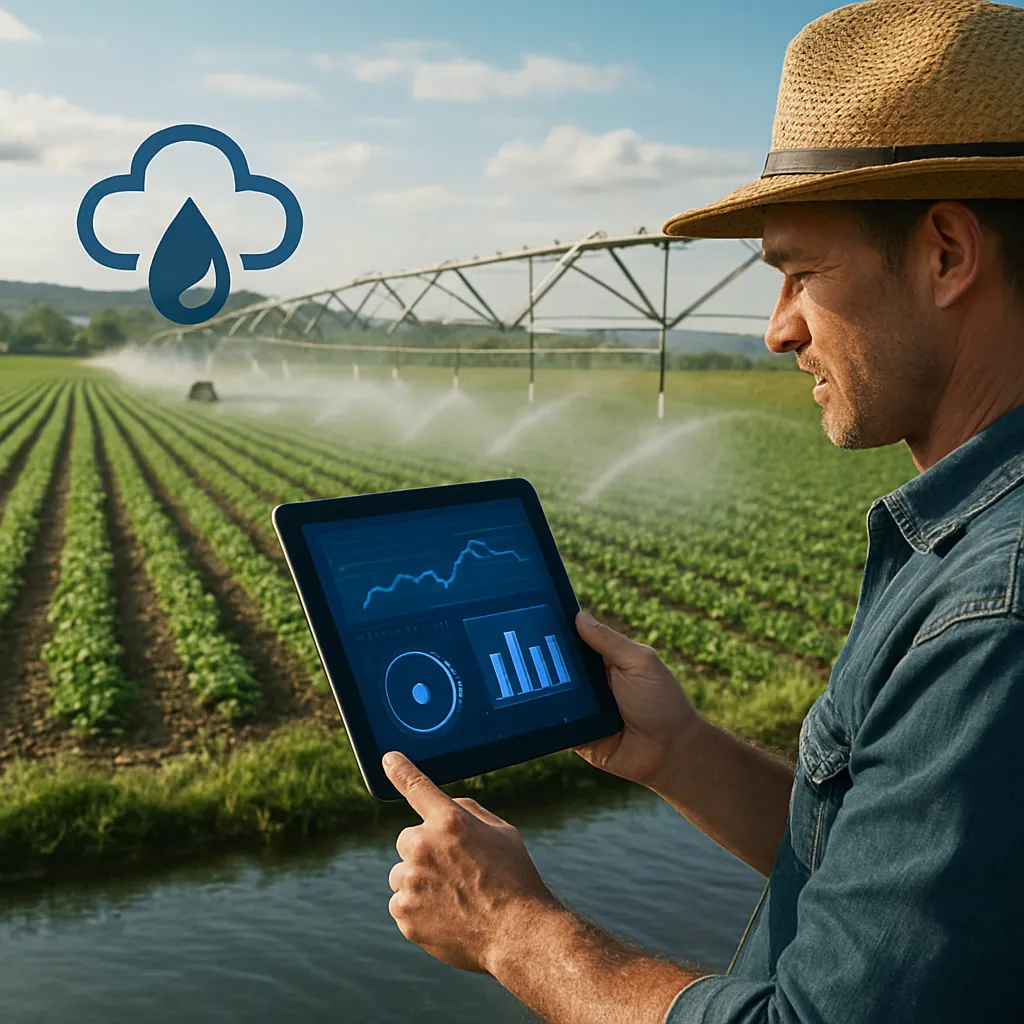
Decision support systems present recommendations through intuitive dashboards and mobile apps. Farmers receive alerts when soil moisture falls below critical thresholds or when rainfall forecasts suggest delaying irrigation. These real-time insights facilitate prompt decision-making and reduce reliance on manual field checks.
Precision Irrigation and Resource Allocation
Leveraging AI insights, farmers deploy precision irrigation systems that deliver the exact amount of water needed, at the right time and place. Two primary methods dominate contemporary practice:
Drip and Micro-sprinkler Systems
These systems administer water directly at the root zone, minimizing evaporation losses. AI algorithms determine optimal flow rates and durations based on the crop’s growth stage and soil retention curves. Benefits include:
- Reduced water usage by up to 40% compared to conventional flood irrigation.
- Lower incidence of fungal diseases due to controlled moisture distribution.
- Enhanced nutrient uptake, as fertilizers can be combined with irrigation (fertigation) and precisely metered.
Variable-Rate Irrigation (VRI)
Using GPS-guided equipment, VRI systems adjust water application on-the-go across different field sectors. The AI model continuously updates prescription maps by incorporating:
- Real-time sensor data for soil and plant status.
- High-resolution topographical information to account for drainage and runoff.
- Weather forecasts to anticipate rainfall and avoid over-irrigation.
This targeted approach ensures that high-need areas receive sufficient moisture while drier zones are conserved, thereby increasing overall farm efficiency and crop uniformity.
Case Studies: AI in Action on Farms
Several pioneering farms worldwide illustrate the transformative power of AI-driven water management:
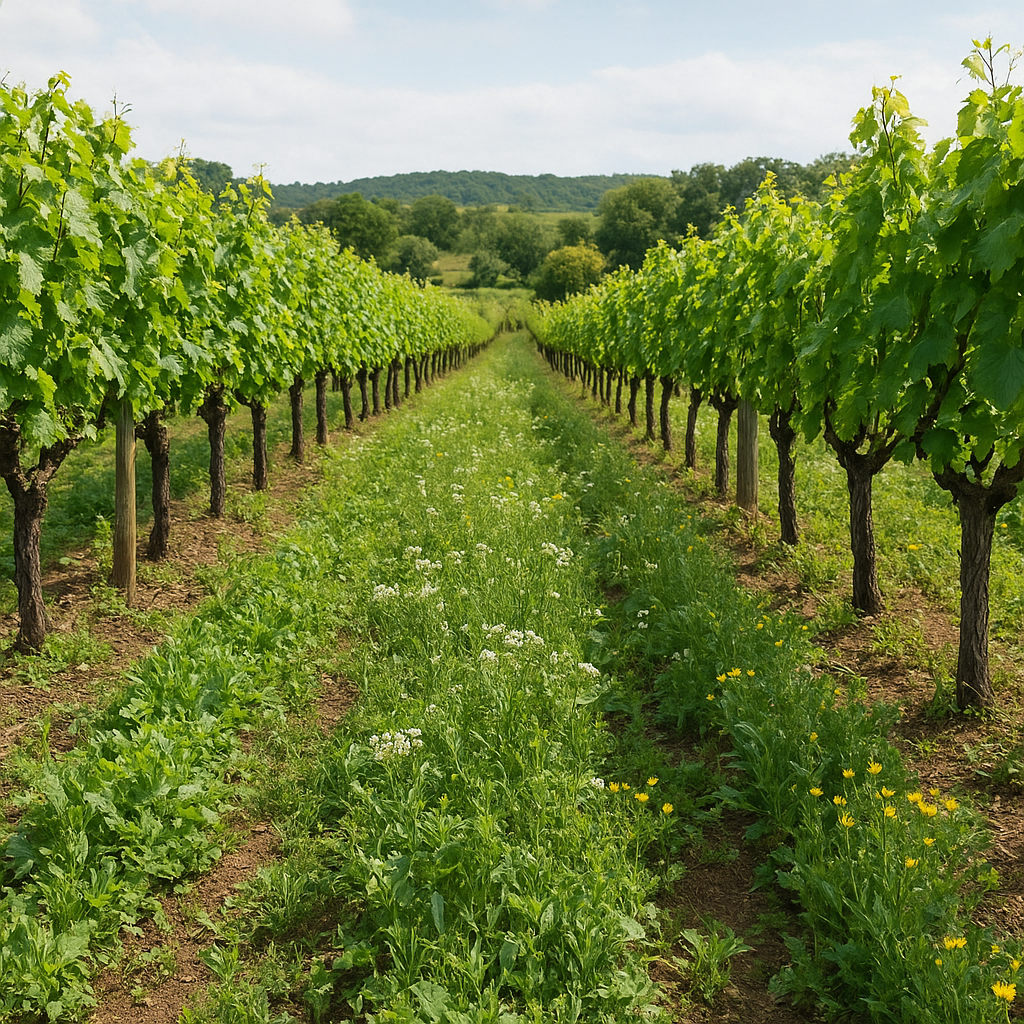
- California Vineyard – A leading winemaker implemented an AI platform that reduced water usage by 30% while improving grape quality. Soil moisture sensors combined with weather data enabled precise drip irrigation sequences during critical phenological stages.
- Australian Cotton Farm – Machine learning models forecast seasonal water availability and optimized reservoir releases, ensuring sustained irrigation in arid regions. The system’s adaptive controls responded to unexpected heatwaves, mitigating yield losses.
- High-tech Greenhouse in the Netherlands – Integrated sensors and AI-managed hydroponic systems to monitor nutrient and water cycles. Automated adjustments in pH and electrical conductivity led to a 25% increase in lettuce production with minimal water footprint.
Challenges and Future Prospects
Despite clear benefits, implementing AI-based water management faces hurdles. Initial costs for sensor networks and software licenses can be substantial, posing a barrier for smallholders. Additionally, data privacy concerns and the need for reliable connectivity in remote areas require careful planning. However, ongoing innovations promise to lower these obstacles:
- Development of low-cost, solar-powered sensors with LoRaWAN connectivity.
- Open-source AI frameworks tailored for agricultural applications.
- Collaborative platforms that allow farmers to share anonymized data, enhancing model accuracy.
Looking ahead, the convergence of AI with robotics and biotechnology will further revolutionize water management. Autonomous drones may soon perform targeted irrigation drops, while bioengineered crops could signal moisture stress via fluorescent markers detected by AI cameras. As technology continues to mature, farmers will gain unprecedented control over water sustainability, ensuring food security in an era of growing environmental challenges.