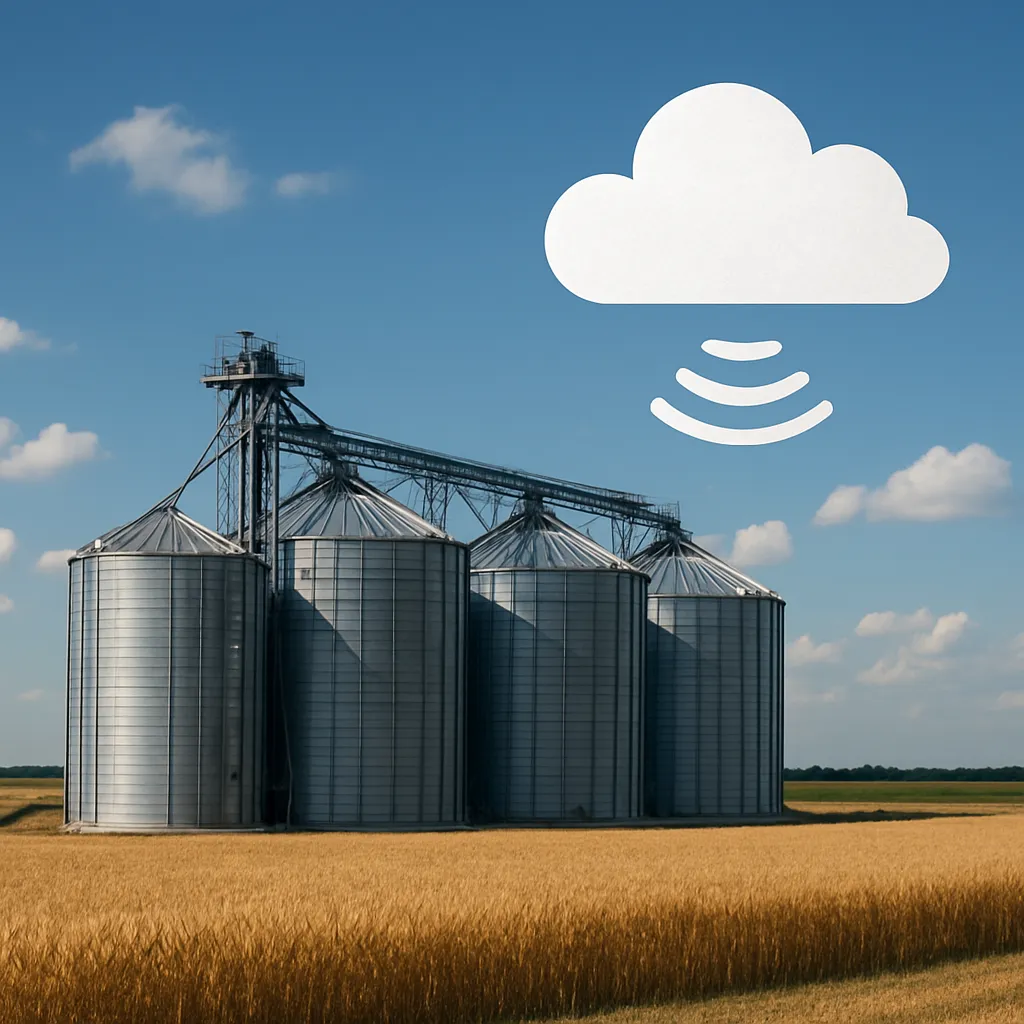
Cloud-Connected Grain Storage Systems harness the power of modern technology to transform traditional silos into intelligent, data-driven infrastructure. By integrating IoT devices, advanced sensors, and robust cloud services, farm operators can achieve real-time monitoring, predictive maintenance, and seamless resource management. This article explores the key elements, benefits, challenges, and future directions of these innovative solutions in the realm of agriculture.
Overview of Cloud-Connected Grain Storage Systems
The concept of grain storage has evolved from simple warehouses to sophisticated networks that leverage digital connectivity. Initial systems relied on manual inspections and periodic sampling to prevent spoilage and pest infestations. Today’s approach integrates wireless devices and cloud platforms, enabling stakeholders to track temperature, humidity, and gas levels without setting foot in the silo.
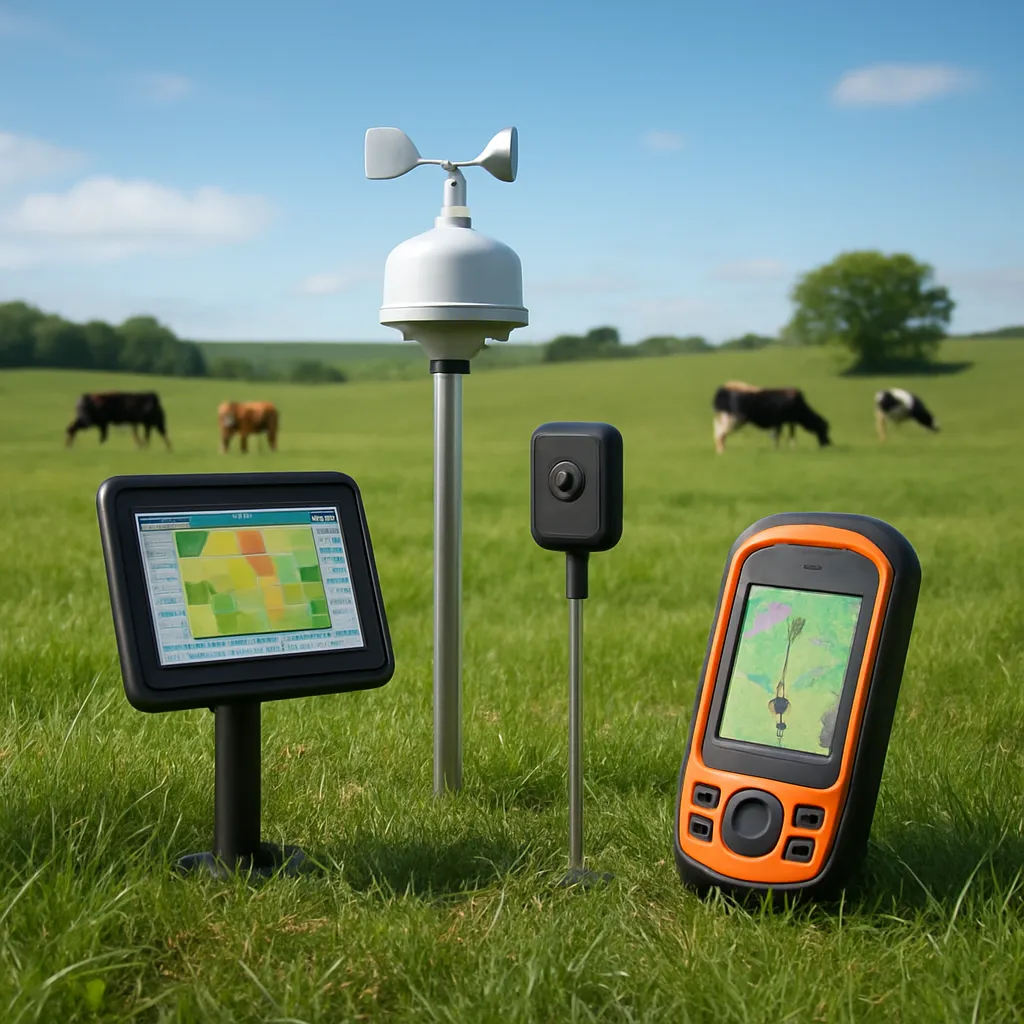
Cloud-Connected Grain Storage Systems typically consist of sensor arrays installed throughout the grain mass, communicating with edge gateways. These gateways transmit aggregated data to centralized cloud servers, where powerful analytics engines process the information. Operators can access intuitive dashboards from mobile devices or desktop computers, allowing for dynamic decision-making and workflow optimization.
Key Components and Technologies
Sensor Networks and Data Acquisition
Precise environmental monitoring begins with a distributed network of sensors capable of measuring temperature gradients, moisture content, and carbon dioxide levels. Dry matter loss can be identified early by detecting hotspots that signal microbial activity. Incorporating data analytics algorithms allows the system to filter noise and highlight anomalies, reducing false alarms and ensuring timely interventions.
Cloud Platforms and Data Management
Cloud platforms serve as the backbone for data storage, processing, and visualization. Through scalable architectures, they can handle large volumes of incoming sensor readings and apply machine learning models to predict spoilage events. Automatic alerts can be configured to notify managers via SMS or email when predefined thresholds are exceeded. The integration of efficiency-oriented workflows ensures that routine tasks, such as aeration or temperature equalization, are triggered only when necessary, conserving energy.
Connectivity Protocols
Reliable data transmission is crucial for uninterrupted monitoring. Commonly used protocols include LoRaWAN, NB-IoT, and cellular LTE, each offering trade-offs between range, power consumption, and bandwidth. In remote areas, solar-powered gateways can sustain network operations for months without maintenance. Implementing redundant communication paths enhances system resilience and minimizes data gaps.
Benefits and Impacts
Operational Efficiency and Cost Savings
Automated control of aeration fans and temperature regulators reduces manual labor and energy costs. By optimizing aeration schedules based on real-time sensor feedback, operators can cut electricity usage by up to 40%. Additionally, predictive maintenance lowers repair expenses by addressing issues such as fan malfunctions before they escalate into costly failures.
Quality Control and Loss Prevention
An estimated 5–10% of stored grain is lost annually due to spoilage. Early detection of temperature spikes or high moisture pockets can prevent widespread deterioration. Cloud-Connected Grain Storage Systems employ predictive models to estimate grain moisture migration, allowing preemptive interventions. This targeted approach preserves grain integrity and reduces the need for chemical fumigation.
Sustainability and Environmental Impact
By minimizing energy consumption and limiting chemical treatments, these systems contribute to more sustainable farming operations. Automated aeration based on environmental data curbs unnecessary ventilation, lowering greenhouse gas emissions. The adoption of Cloud Connectivity in grain storage aligns with broader sustainability goals and fosters responsible resource management.
Challenges and Considerations
Data Security and Privacy
Transmitting critical farm data to the cloud introduces concerns over unauthorized access. Implementing end-to-end encryption, secure authentication protocols, and regular security audits helps safeguard sensitive information. Adherence to international standards like ISO/IEC 27001 ensures robust cybersecurity measures.
Infrastructure and Investment
Initial deployment costs for sensors, gateways, and network subscriptions can be substantial. Small- and medium-sized farms may face budget constraints, necessitating phased rollouts or shared cooperative models. Government subsidies and agricultural grants can alleviate financial burdens and encourage technology adoption.
Technical Training and Adoption
Farm personnel need training to interpret dashboard metrics, troubleshoot hardware, and adjust system parameters. Collaborations with agri-tech providers can deliver on-site workshops and e-learning modules. Cultivating a culture of innovation and continuous improvement is vital for sustained success.
Future Trends and Innovations
AI and Predictive Analytics
Artificial intelligence is poised to refine spoilage predictions by analyzing multi-year datasets and identifying complex patterns. Deep learning models could adapt to variations in grain types and storage configurations, delivering hyper-localized recommendations for aeration duration and timing.
Blockchain and Traceability
Integrating blockchain technology enables immutable recording of storage conditions throughout the supply chain. Consumers and buyers can verify quality metrics, enhancing transparency and trust. Smart contracts can automate payment releases based on predefined quality benchmarks recorded during storage.
Edge Computing and 5G Integration
Deploying edge computing resources at the silo gateway reduces latency and conserves bandwidth by processing critical alerts locally. 5G networks promise ultra-reliable, low-latency connections, enabling seamless sensor synchronization and remote control of actuators. These advancements will push grain storage systems toward even greater optimization and interoperability.