As access to arable land becomes increasingly scarce, especially in geographically isolated regions, a transformative approach to agriculture is emerging. Portable hydroponic kits offer a promising solution for remote populations aiming to grow fresh produce year-round. By leveraging cutting-edge technology and modular design, these systems deliver enhanced food security, resource efficiency, and community resilience.
Empowering Agriculture with Portable Hydroponics
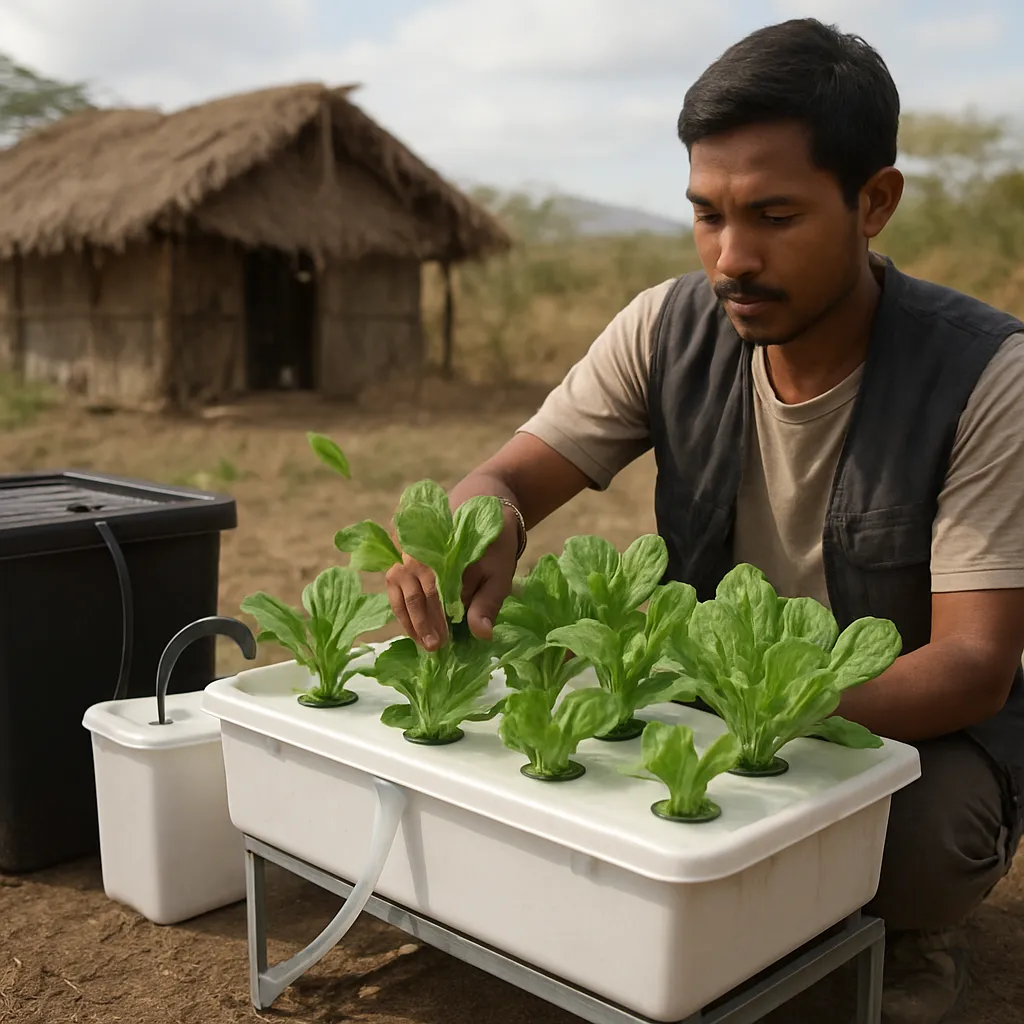
At the core of every system lies the principle of soilless cultivation, where plants absorb essential nutrients directly from a water-based solution. Unlike traditional farming, hydroponics eliminates the need for fertile soil, making it ideal for regions with poor ground conditions or limited farmland. Each kit typically contains a growing tray, reservoir, pump, and lighting module, all integrated into a lightweight, collapsible structure.
- Scalability: Systems can range from small countertop units to larger rack-mounted gardens capable of supporting entire villages.
- Modularity: Components snap together effortlessly, allowing users to expand or reconfigure their setup as needed.
- Energy Efficiency: LED grow lights and low-wattage pumps minimize electricity consumption, a critical factor in areas with unreliable power.
- Water Conservation: A closed-loop design recirculates up to 90% of water, a key advantage in drought-prone territories.
These systems exemplify how innovation in agricultural engineering can bridge the gap between futuristic ideals and the everyday needs of underserved populations.
Unlocking Benefits for Remote Communities
Implementing portable hydroponic gardens in remote villages yields a multitude of advantages:
- Consistent Crop Production: Controlled environments shield plants from extreme weather, pests, and soil-borne diseases.
- Improved Nutrition: Access to fresh leafy greens, tomatoes, peppers, and herbs combats micronutrient deficiencies.
- Economic Opportunity: Surplus produce can generate income through local markets, fostering financial independence.
- Environmental Sustainability: Reduced land use and minimal chemical runoff help preserve delicate ecosystems.
- Educational Impact: Hands-on training programs spur interest in STEM fields and cultivate local expertise.
Field trials in mountainous areas of Asia and isolated islands in the Pacific have demonstrated yield increases of up to 200% compared to open-field cultivation. This surge in productivity underscores how controlled-environment agriculture can revolutionize food systems in places where logistics and climate pose significant barriers.
Essential Components and Design Innovations
Design Principles and Material Selection
Crafting a truly portable solution demands a balance between durability, weight, and cost. Manufacturers often utilize corrosion-resistant plastics, aluminum framing, and foldable joints to achieve this equilibrium. Key design considerations include:
- Lightweight Frames: Aluminum alloys reduce structural weight while maintaining rigidity.
- Collapsible Reservoirs: Flexible liners allow easy packing and cleaning.
- Integrated Lighting: Custom LED arrays tuned to specific wavelengths optimize photosynthesis.
- Plug-and-Play Connectors: Quick-release fittings simplify assembly without requiring specialized tools.
Innovations in sensor technology and automation further enhance system performance. Smart controllers monitor pH levels, electrical conductivity, and temperature, triggering adjustments to maintain optimal growing conditions. The incorporation of IoT modules enables remote monitoring and troubleshooting, a critical feature for areas lacking on-site technical expertise.
Deployment Strategies and Overcoming Challenges
Successful adoption hinges not only on the hardware but also on community engagement and capacity building. The following steps outline a robust deployment framework:
- Needs Assessment: Conduct surveys to understand dietary gaps, energy availability, and water access.
- Community Workshops: Offer hands-on training sessions covering system setup, nutrient solution preparation, and plant care routines.
- Local Partnerships: Collaborate with NGOs, schools, and agricultural extension services to secure ongoing support.
- Resource Localization: Identify locally available materials for replacement parts to reduce dependency on imports.
- Scaling Up: Establish demonstration sites that inspire neighboring villages to adopt similar solutions.
Addressing Technical and Cultural Barriers
While the promise of enhanced sustainability is compelling, projects often face obstacles:
- Initial investment costs can deter communities if financing options are limited.
- Cultural preferences for traditional farming may slow acceptance of high-tech methods.
- Intermittent power supply disrupts lighting and circulation systems.
- Supply chain challenges hamper access to specialized kit components.
To mitigate these issues, pilot programs should integrate microfinancing schemes, solar power backups, and culturally sensitive outreach. Mentorship networks linking seasoned hydroponic practitioners with novice farmers can accelerate knowledge transfer and foster a sense of ownership.
Empowering Tomorrow’s Growth
By democratizing access to advanced farming solutions, remote populations can cultivate resilience against climate shocks and market fluctuations. Portable hydroponic kits stand at the forefront of a broader movement toward decentralized, high-efficiency agriculture. As these systems proliferate, they not only enhance food sovereignty but also ignite a wave of local innovation—from novel planting methodologies to tailored nutrient formulations.
- Enhanced yield security in marginal environments.
- Reduction of post-harvest losses through proximity of production to consumption.
- Empowerment of local entrepreneurs, especially women and youth.
- Creation of micro-industries around system maintenance and seedling production.
Emerging collaborations between academic institutions, private enterprises, and grassroots organizations promise to refine these systems further. Future iterations may incorporate renewable energy integration, advanced AI-driven growth modeling, and community-operated micro-farms tailored to specific ecological zones. Such progress underscores the potential of portable hydroponic solutions as a cornerstone of sustainable agriculture in every corner of the globe.