Advances in agricultural technology have ushered in a new era of efficiency and sustainability. Among these innovations, sensor-controlled fertilizer dispensers stand out for their potential to revolutionize nutrient management. By leveraging precision agriculture techniques, these systems deliver targeted amounts of fertilizer exactly when and where crops need it most, reducing waste, lowering costs, and minimizing environmental impact. This article delves into the core principles, technical integrations, economic and ecological benefits, as well as future trends of this transformative approach.
Principles of Operation
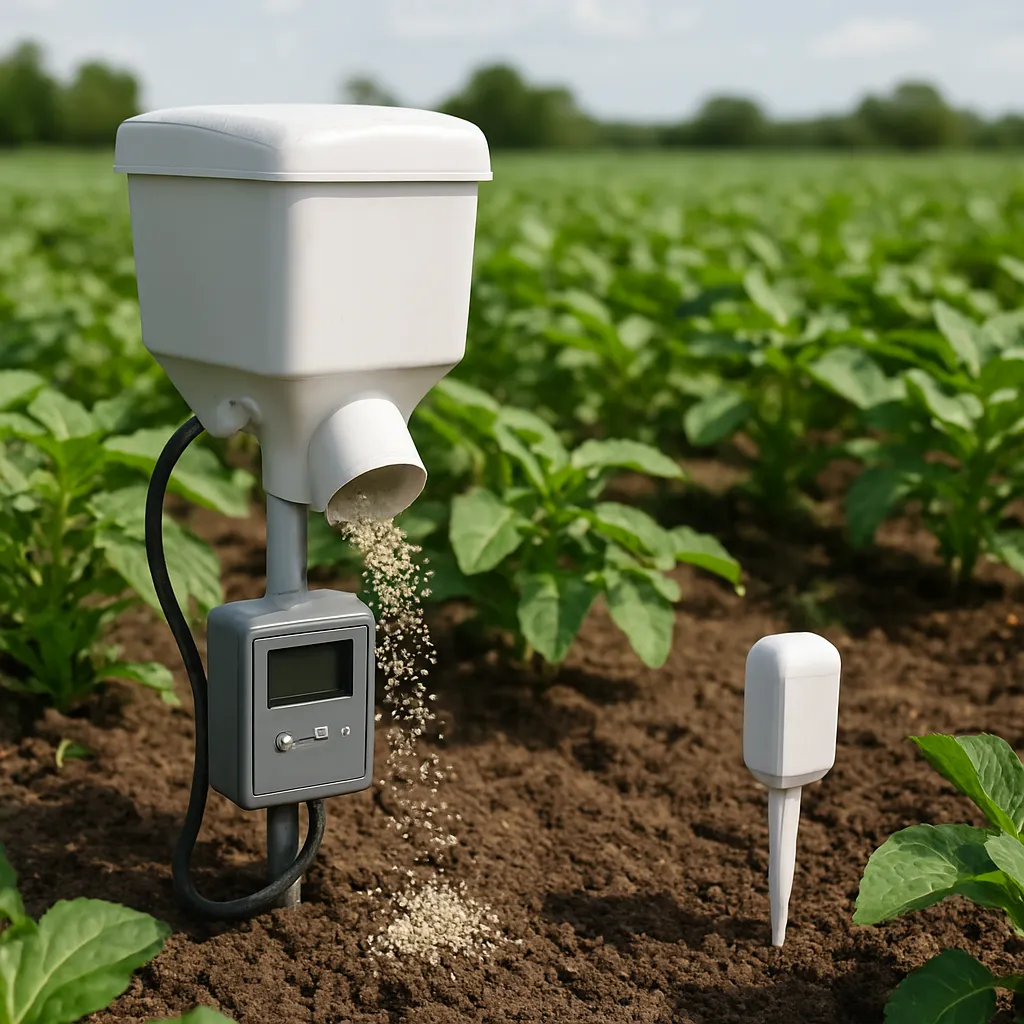
At the heart of sensor-driven fertilizer dispensers is a network of devices that monitor key soil and plant parameters. These systems rely on sensors that measure factors such as soil moisture, pH levels, temperature, and nutrient content. Data collected by these sensors are fed into a central controller, which activates the fertilizer dispenser unit according to pre-set thresholds.
Components and Workflow
- Sensors: Soil probes and aerial sensors mounted on drones or tractors detect moisture, NPK levels, and other vital indicators.
- Controller Unit: Interprets incoming real-time data and determines optimal fertilizer application rates.
- Dispensing Mechanism: Mechanical or pneumatic systems that release liquid or granular fertilizer at precise dosages.
- Communication Network: Usually based on IoT protocols, enabling wireless data transfer between devices and cloud services.
Calibration and Customization
Successful deployment requires careful calibration of each sensor to local soil conditions. Farmers or agronomists input baseline values into the controller software, ensuring that the system responds accurately to fluctuations in soil and plant health. Custom algorithms adjust dispensing rates to match specific crop requirements, growth stages, and weather forecasts.
Sensor Integration in Precision Farming
Integrating fertilizer dispensers into larger precision farming operations enhances overall optimization. Data from various sources—satellite imagery, weather stations, and field sensors—are combined to provide a comprehensive picture of field conditions. Within this ecosystem:
Data Fusion and Analysis
By merging multiple data streams, agronomists can fine-tune application maps. Advanced machine learning models analyze historical yield records alongside current sensor readings to predict nutrient deficits in specific zones. This predictive capability ensures that each plant receives the right amount of nutrients at the right time.
Variable Rate Technology (VRT)
VRT-enabled dispensers adjust fertilizer flow rates on-the-go. As tractors traverse the field, GPS-guided systems modulate dispenser output based on georeferenced prescription maps. This dynamic approach contrasts sharply with traditional uniform application,yielding higher productivity and lower input costs.
Environmental and Economic Impact
Reducing chemical runoff into waterways and minimizing atmospheric emissions are major environmental goals in modern agriculture. Sensor-controlled dispensers contribute significantly to these objectives by preventing over-fertilization and ensuring that nutrients remain available to plants rather than leaching into the ecosystem.
Environmental Benefits
- Lower Risk of Eutrophication: Precise nutrient application cuts excess nitrogen and phosphorus entering rivers and lakes.
- Reduced Greenhouse Gas Emissions: Optimized fertilizer use diminishes nitrous oxide release from soils.
- Improved Soil Health: Balanced nutrient delivery fosters microbial activity and long-term fertility.
Economic Advantages
- Cost Savings on Inputs: Targeted applications decrease the volume of fertilizer purchased over a season.
- Higher Yields: Plants receive nutrients in sync with growth demands, boosting overall productivity.
- Resource Efficiency: Automated systems lower labor requirements and minimize human error in dispensing.
Challenges and Future Prospects
While the promise of sensor-based fertilizer dispensing is compelling, there are obstacles to widespread adoption. Initial investment in hardware and software can be substantial, and smallholder farmers may face financial barriers. Moreover, technical expertise is required to calibrate sensors, maintain connectivity, and interpret complex data outputs.
Technical Hurdles
- Sensor Durability: Harsh field conditions—dust, moisture, temperature extremes—can impair sensor accuracy over time.
- Data Security and Privacy: Protecting farm data from unauthorized access is essential for trust and compliance.
- Connectivity Issues: Remote areas may lack reliable internet or cellular coverage, hampering real-time control.
Innovations on the Horizon
Emerging technologies promise to address these challenges and expand functionality:
- Self-Calibrating Sensors: New designs automatically adjust to changing soil compositions and wear.
- Edge Computing: Onboard processors analyze data locally, reducing dependency on cloud connectivity for immediate decisions.
- Bio-Inspired Delivery Systems: Research into microcapsule fertilizers aims to release nutrients in response to root exudates, further enhancing sustainability.
As automation and IoT continue to penetrate the agricultural sector, sensor-controlled fertilizer dispensers are set to become a cornerstone of modern crop management. By harnessing precise measurements and adaptive algorithms, farmers can achieve unparalleled gains in productivity while safeguarding precious natural resources.