The integration of IoT sensors with advanced analytics has catalyzed a profound shift in how the agricultural sector approaches soil management. The development of Digital Soil Health Dashboards marks a milestone in the journey toward sustainability, enabling growers to harness real-time insights and transform data into actionable strategies. By combining cutting-edge technology and traditional agronomic expertise, these dashboards offer a window into the complex interactions between soil properties, environmental conditions, and crop performance.
As stakeholders across the food production chain seek to optimize resource utilization and minimize environmental impact, the role of digital platforms in supporting decision-making processes becomes ever more critical. With a focus on precision agriculture, Digital Soil Health Dashboards provide an unprecedented level of granularity, empowering farmers to fine-tune inputs, anticipate challenges, and elevate overall productivity.
Evolution of Soil Health Monitoring
Traditional approaches
Historically, soil health assessment relied on manual sampling, laboratory analysis, and expert interpretation. While these methods established foundational knowledge of nutrient levels, pH balance, and texture, they often entailed delays of days or weeks between sampling and results. Seasonal variability, spatial heterogeneity, and the sheer scale of modern farms introduced significant uncertainties into management decisions.
Shift toward digital transformation
The advent of remote sensing, combined with the proliferation of connected devices, heralded the beginning of the digital transformation in agriculture. Early iterations of sensor networks provided sporadic snapshots of conditions, but lacked the integrated architecture necessary for continuous monitoring. Recent advances in cloud computing, wireless communication, and embedded intelligence have bridged this gap, laying the groundwork for comprehensive soil health platforms.
Core Components of Digital Soil Health Dashboards
IoT sensors and data collection
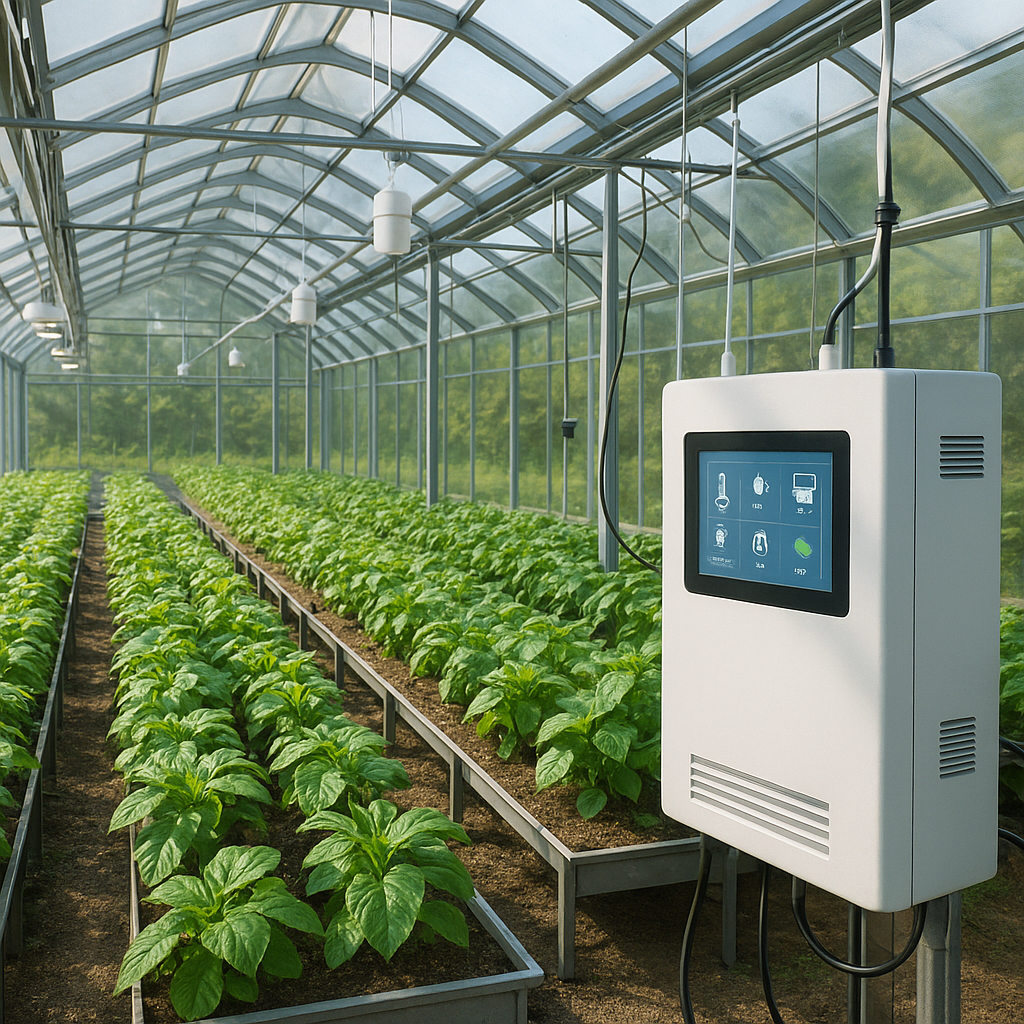
At the heart of any soil health dashboard lies a network of field-deployed sensors. These devices typically measure parameters such as moisture content, temperature, electrical conductivity, and nutrient concentrations. By transmitting data at predefined intervals, they form the raw database that fuels subsequent analyses.
Data processing and analytics
Once collected, sensor readings undergo preprocessing to correct for noise, sensor drift, and environmental interference. Advanced data analytics platforms then apply statistical models and machine learning algorithms to detect trends, anomalies, and predictive patterns. This layer of intelligence helps interpret complex datasets and translate them into intuitive metrics.
Visualization and user interface
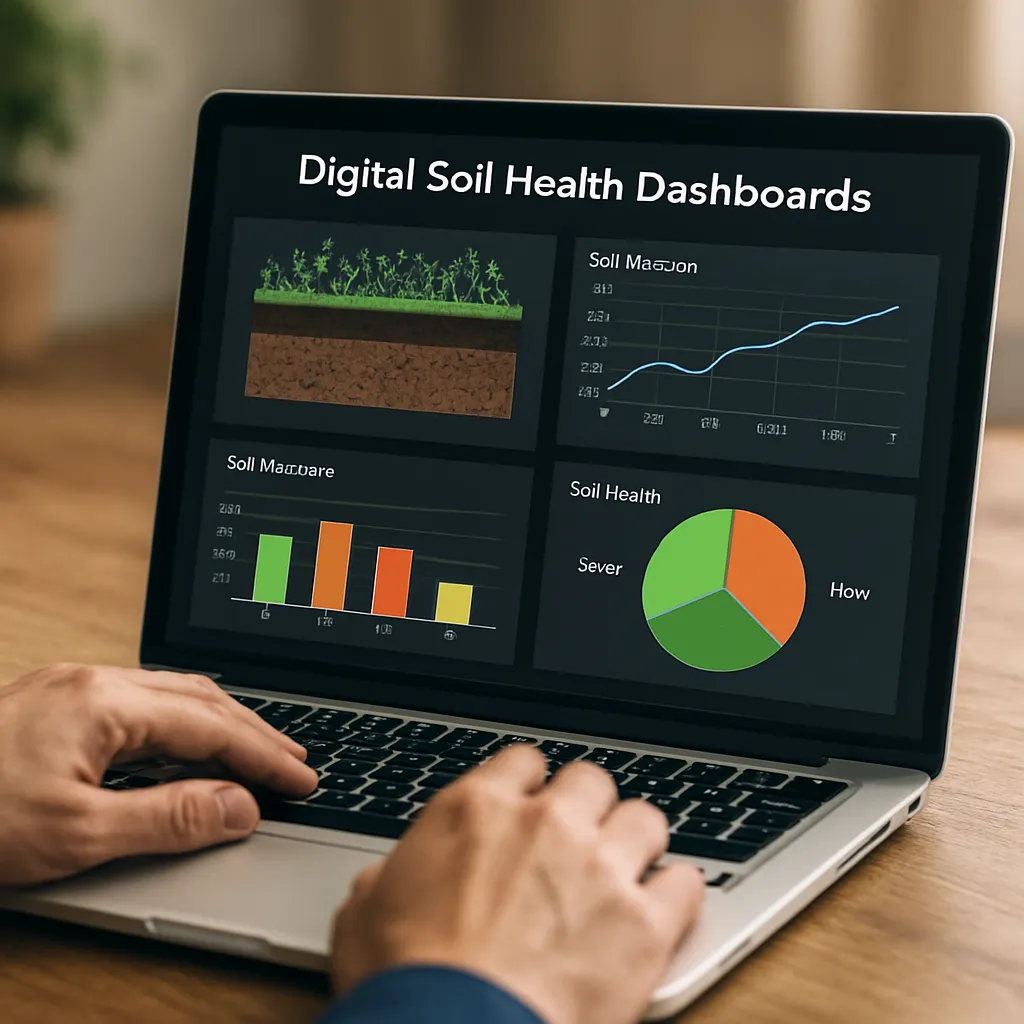
An effective dashboard must present insights in a clear, actionable format. Interactive maps display spatial variability, while time-series charts illustrate temporal dynamics. Customizable alerts alert growers to threshold breaches, enabling timely interventions. The user interface often supports drill-down capabilities, so that agronomists and field managers can investigate specific plots or sensor nodes.
- Real-time mapping of soil moisture and temperature
- Automated alerts for nutrient deficits
- Integration with weather forecasts and irrigation systems
- Historical trend analysis for risk mitigation
- Cloud-based storage for scalable data management
Impact on Sustainable Agriculture
Optimizing nutrient management
By pinpointing zones of nutrient deficiency or excess, Digital Soil Health Dashboards drive precision in nutrient management. Variable-rate fertilizer applications reduce waste and runoff, while tailoring input strategies to crop demand improves resource efficiency. Such optimized fertilization regimes contribute directly to lower production costs and reduced environmental footprint.
Enhancing crop yield and resource efficiency
Continuous monitoring allows for dynamic adjustments in irrigation scheduling, ensuring water is delivered exactly when and where it is needed. This approach not only conserves precious water resources but also enhances root development and plant vigor. Over time, the synergy of nutrient optimization and precision watering translates into measurable gains in productivity and profitability.
Supporting carbon sequestration and environmental goals
Healthy soils act as carbon sinks, capturing atmospheric CO₂ through organic matter accumulation. Dashboards that track soil organic carbon provide insights into long-term sequestration trends and support regenerative practices such as cover cropping and reduced tillage. These metrics align with global sustainability standards and can facilitate carbon credit certification for proactive growers.
Implementation Challenges and Future Perspectives
Data accuracy and interoperability
Ensuring consistency across diverse sensor types and brands remains a key obstacle. Calibration protocols and standardized data formats are essential to achieve interoperability. Collaborative efforts among technology providers, research institutions, and agricultural extension services aim to establish benchmarks for sensor performance and data exchange.
Farmer adoption and training
Even the most sophisticated dashboard is only as effective as its end users’ ability to interpret and act on insights. Training programs, user-friendly documentation, and local support networks are vital to accelerate adoption. Peer-to-peer learning communities also play a significant role in sharing best practices and troubleshooting field-level challenges.
Emerging trends: AI and predictive modeling
Looking ahead, the integration of artificial intelligence promises to elevate dashboards from descriptive to prescriptive tools. Predictive models will forecast nutrient depletion, pest pressure, and yield potentials, enabling proactive management. Coupled with autonomous machinery, these systems could orchestrate in-field operations with minimal human intervention, driving the next wave of innovation in agriculture.