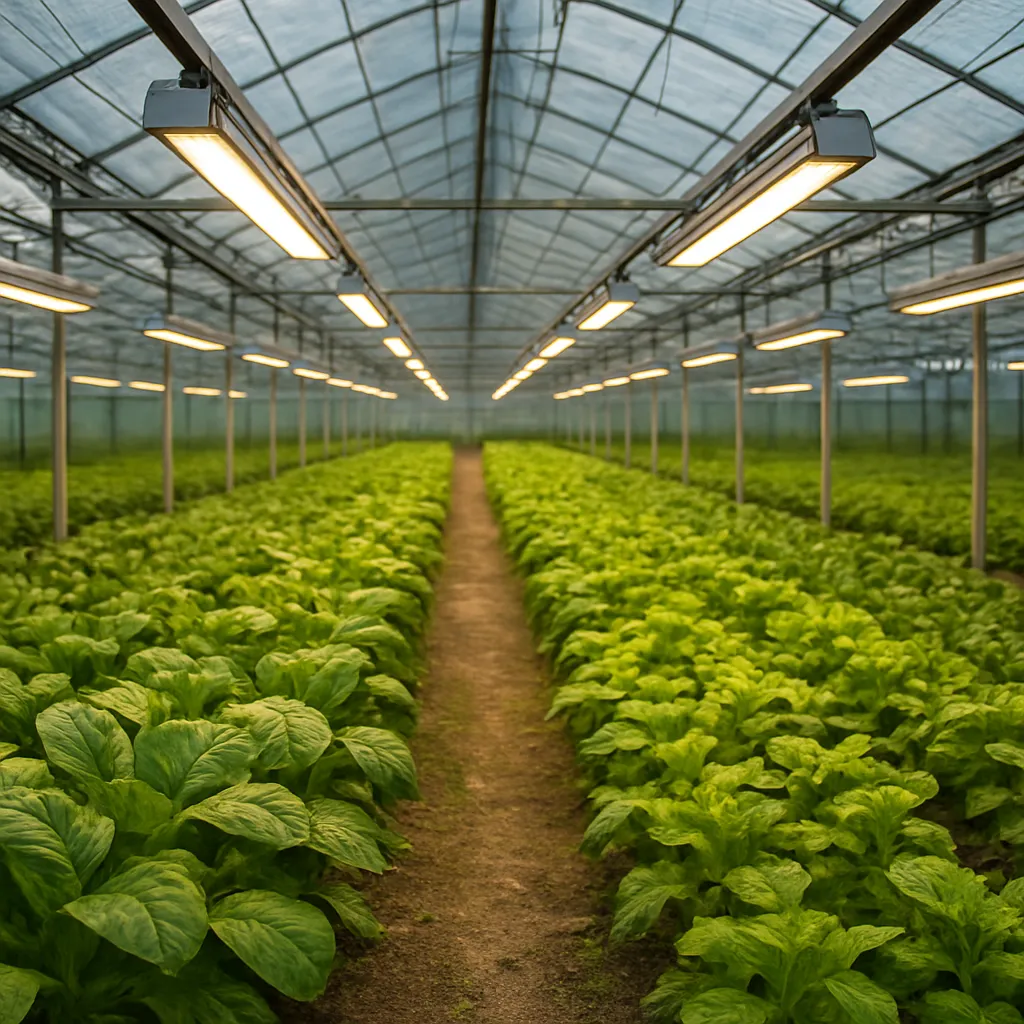
Smart farm lighting solutions are revolutionizing the greenhouse industry by delivering tailored illumination strategies that optimize plant growth while minimizing resource consumption. By integrating advanced technologies, growers can precisely control light intensity, duration, and spectrum to match specific crop requirements. This approach not only enhances crop yield but also drives down operational expenses through superior energy efficiency and improved environmental management.
Importance of Smart Lighting in Modern Greenhouses
The adoption of smart lighting systems represents a major shift from traditional fixed-schedule lamps to adaptive, data-driven illumination. Plants rely on photosynthesis, a process that converts light energy into chemical energy crucial for development. Varying light wavelengths influence factors such as leaf structure, flowering time, and nutrient uptake. By leveraging dynamic controls, farmers can:
- Customize light recipes to specific growth stages
- Reduce unnecessary light exposure during low-demand periods
- Match diurnal and seasonal cycles despite external weather variations
These capabilities promote healthier plant physiology and can shorten time to harvest. In addition, focused illumination helps suppress unwanted pathogens by discouraging humidity build-up in poorly lit zones. Smart lighting forms a central pillar of sustainability efforts, aligning greenhouse operations with global environmental goals.
Advanced Lighting Technologies and Control Systems
Next-generation greenhouses utilize a variety of innovations that collectively transform illumination from a static utility to a finely tuned agronomic tool.
LED Spectral Optimization
LED fixtures now offer tunable spectra, enabling growers to calibrate red, blue, far-red, and ultraviolet bands. This level of control has unlocked benefits such as:
- Accelerated photosynthetic rates under high-blue light phases
- Enhanced stem elongation by adjusting red-to-far-red ratios
- Improved pigmentation and flavor compounds via UV supplementation
Modular LED panels can be reconfigured within the greenhouse to target different crop zones, maximizing uniformity and reducing shading effects.
Intelligent Sensors and Data Analytics
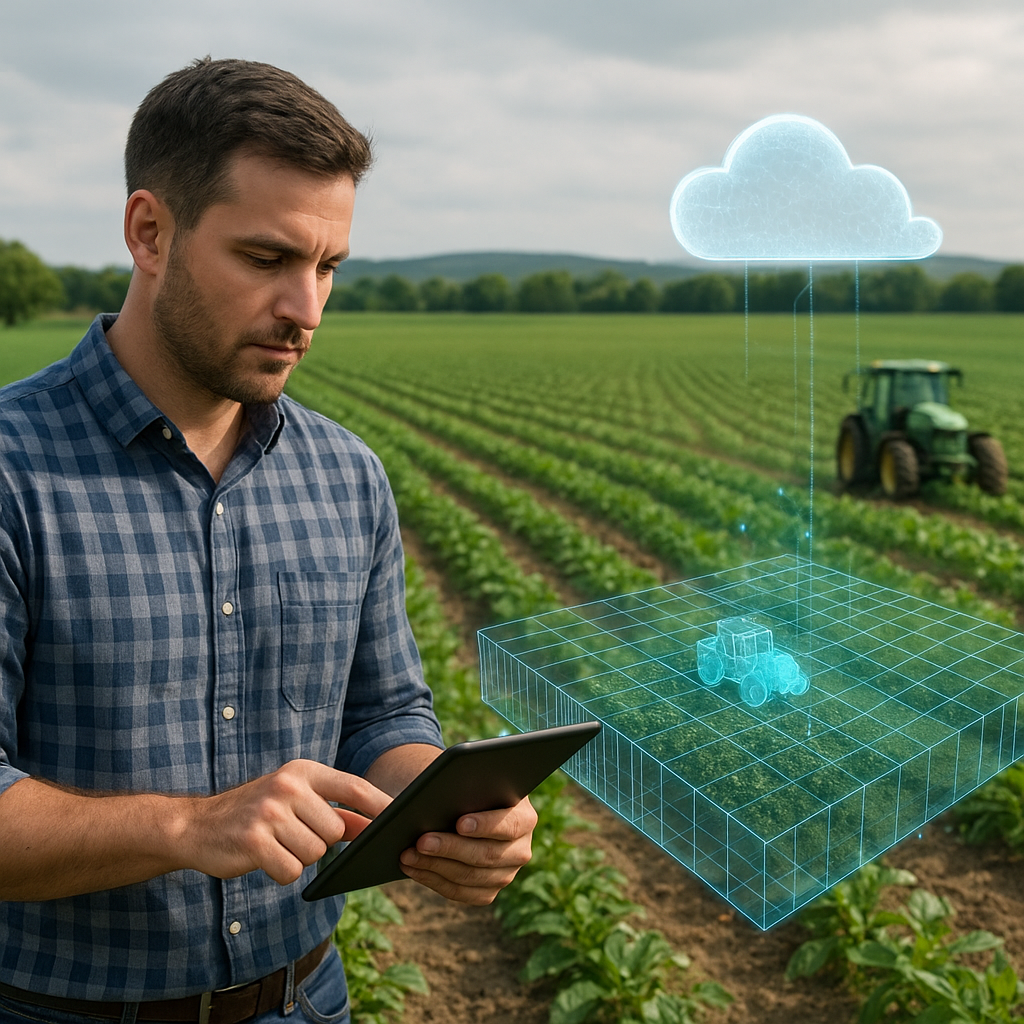
Integrating sensors for light intensity, temperature, humidity, and CO₂ levels empowers the system to react in real time. Data streams feed into cloud-based platforms where machine learning algorithms process environmental patterns. Key features include:
- Automated dimming or boosting based on ambient sunlight measurements
- Predictive adjustments anticipating weather changes
- Alert mechanisms for equipment faults or sensor anomalies
These responsive adjustments safeguard against energy waste and ensure plants receive the exact light dosage needed for optimal growth.
Automation and Remote Monitoring
Through centralized dashboards and mobile apps, growers can oversee multiple greenhouses from any location. Automation protocols can be scheduled or triggered by threshold events (e.g., sunrise, humidity spikes). Such automation reduces labor demands, mitigates human error, and maintains consistent lighting quality even during off-hours.
Energy Efficiency and Sustainability Gains
Energy consumption is a critical expense in controlled-environment agriculture. Smart lighting tackles this challenge head-on through several strategies.
Dynamic Scheduling
Traditional systems often operate on fixed timers, ignoring fluctuations in natural light. Smart controls implement:
- Daylight harvesting to dim lamps when solar radiation suffices
- Nighttime boost cycles timed for peak photosynthetic efficiency
- Photoperiod adjustments aligning with crop photobiology
Such tactics yield notable cost savings and lower greenhouse gas footprints.
Power Management and Grid Integration
High-density LED arrays can be connected to renewable energy sources like solar panels. Coupled with battery storage, greenhouses become less reliant on the grid. Smart systems orchestrate:
- Load shifting to off-peak utility hours
- Real-time power sourcing decisions between grid and solar
- Demand-response participation for utility incentives
This synergy of lighting and power infrastructures exemplifies modern sustainability paradigms.
Implementation Challenges and Practical Solutions
While the benefits are clear, deploying a sophisticated lighting network demands careful planning.
Initial Investment and ROI Assessment
Advanced fixtures and control systems require higher upfront capital. To justify the expense, growers should:
- Conduct thorough cost-benefit analyses considering energy rates
- Model payback periods based on expected yield improvements
- Explore government subsidies or green financing options
When designed correctly, the improved crop yield and reduced utilities can recoup investments within a few seasons.
Integration with Existing Infrastructure
Retrofitting older greenhouses presents compatibility concerns. Best practices include:
- Assessing structural load capacity for new fixtures
- Upgrading electrical wiring to support higher amperages
- Implementing modular control hubs for phased rollouts
Partnering with specialized integrators ensures seamless transitions without disrupting ongoing operations.
Training and Maintenance
Effective use of smart lighting hinges on operator expertise. Growers must invest in:
- Staff training on software dashboards and basic troubleshooting
- Routine calibration of sensors and periodic firmware updates
- Documentation of lighting schedules and system logs
Proactive intelligent algorithms can self-diagnose issues, but human oversight remains essential for complex agronomic decisions.
Future Trends in Smart Greenhouse Lighting
As technology evolves, emerging innovations will further enhance greenhouse performance.
Adaptive AI-Driven Light Recipes
Next-level systems will auto-generate customized lighting protocols by analyzing plant responses in real time. These AI engines will:
- Continuously refine spectra based on growth metrics
- Predict optimal lighting strategies for new crop varieties
- Integrate pest and disease monitoring data to adjust environmental stressors
Wireless Mesh Lighting Networks
Eliminating hardwired connections reduces installation costs and improves flexibility. Wireless power distribution combined with low-latency communication ensures:
- Scalable lighting grids that adapt to changing floor plans
- Rapid deployment of additional fixtures as production scales
- Enhanced fault tolerance through self-healing network topologies
Holistic Integration with IoT Ecosystems
Smart lighting will become one element in a fully connected greenhouse, collaborating with hydroponic nutrient controllers, climate regulation systems, and robotics. This unified approach will unlock new levels of operational efficiency and precision agriculture, setting the stage for the farms of tomorrow to achieve unprecedented performance.