Self-cleaning irrigation filters have emerged as a game-changing solution in modern agriculture. By combining advanced filtration techniques with automated cleaning mechanisms, these filters help growers maintain optimal water quality, reduce downtime, and enhance crop yields. This article explores key principles, design considerations, and real-world applications of self-cleaning irrigation filters, illustrating how they contribute to greater sustainability and efficiency on the farm.
Principles of Self-Cleaning Filters
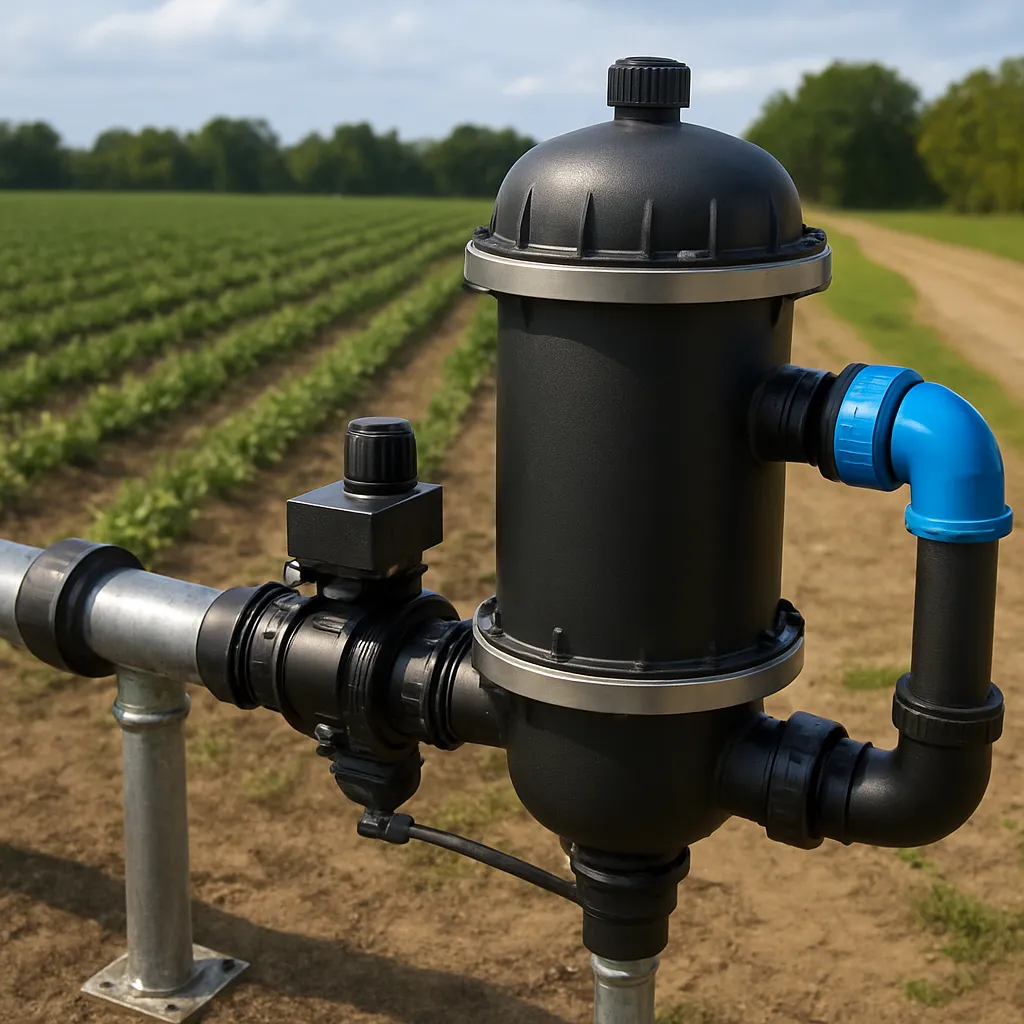
At the heart of every self-cleaning filter lies the ability to remove debris without interrupting flow. Traditional filters require manual backflushing or replacement, leading to system downtime and labor costs. In contrast, self-cleaning filters integrate an automated process to periodically eliminate trapped particles. The following components are essential:
- Filter Element: Typically made of stainless steel mesh or wedge wire, designed to capture particles down to specific micron sizes.
- Backflush Mechanism: Employs pressured water or air to reverse the flow and dislodge accumulated solids.
- Control Unit: Automates cleaning cycles based on differential pressure or time intervals, minimizing human intervention.
- Waste Outlet: Safely disposes of contaminants without shutting off the mainline.
Filtration Efficiency and Flow Rate
Balancing flow rate and filtration efficiency is crucial. Filters rated for finer micron levels achieve superior particle removal but can restrict water flow if improperly sized. Conversely, larger filters maintain high flow but may miss smaller debris, increasing clogging risks downstream. Engineers often employ computational fluid dynamics (CFD) models to optimize the mesh geometry, ensuring uniform flow distribution and minimal pressure drop.
Cleaning Triggers and Sensors
Sensors monitor pressure differentials across the filter element. When the pressure difference exceeds a preset threshold, the control unit initiates a backflush cycle. Some advanced systems utilize automation protocols such as SCADA or IoT connectivity, allowing remote monitoring and adjustment of cleaning intervals based on real-time data analytics. This dynamic approach prevents over-cleaning and conserves water.
Design Considerations and Technologies
Designing an effective self-cleaning filter requires a deep understanding of water quality, irrigation methods, and farm layout. Below are critical factors to consider:
- Water Source and Quality: Surface water often contains more organic matter, algae, and sediments compared to groundwater. Pre-treatment steps, such as settling tanks, can extend filter life.
- Irrigation Method: Drip systems demand finer filtration (typically 130–200 microns), while sprinkler systems may tolerate up to 500 microns.
- Material Compatibility: Corrosion-resistant materials like stainless steel and high-grade polymers ensure long-term durability in harsh field conditions.
- Modularity: Scalable filter banks allow growers to match capacity with seasonal water demands, facilitating future expansion.
Mechanical vs. Hydraulic Cleaning
Two primary self-cleaning mechanisms dominate the market:
- Mechanical Scrubbers: Brushes or scrapers physically remove debris from the filter surface. Ideal for heavy sediment loads but require occasional maintenance.
- Hydraulic Flushing: Uses pressurized jets to scour the filter element. Fewer moving parts translate to lower mechanical failure rates.
Each method has advantages. Mechanical scrubbers excel in high-clog environments, such as irrigation channels fed by rivers. Hydraulic flushing is simpler, often integrated within compact filter housings suitable for drip irrigation arrays.
Advanced Materials and Surface Treatments
Material science innovations are driving improvements in filter longevity and performance. Coatings such as anti-fouling polymers reduce particle adhesion, while nano-engineered surfaces facilitate easier backflush cleaning. Researchers are exploring superhydrophobic treatments that repel organic contaminants, further reducing the frequency of cleaning cycles.
Implementation and Benefits on the Farm
Adopting self-cleaning filters can transform irrigation management. By automating maintenance tasks, growers gain more reliable water delivery and free up labor resources for other critical operations. Key benefits include:
- Water Conservation: Automated backflushing uses only the necessary amount of water, minimizing waste during cleaning cycles.
- Labor Savings: Reduced need for manual filter checks and replacements.
- Improved Crop Health: Consistent filtration quality prevents emitter clogging in drip systems, ensuring even distribution of nutrients and water.
- Operational Uptime: Automated cycles allow continuous irrigation, even during the cleaning process.
- Cost Efficiency: While initial investment may be higher, long-term savings on labor, replacement parts, and water usage justify the expenditure.
Case Study: Vineyard Irrigation
An innovative vineyard in California implemented a network of mesh-based self-cleaning filters across its drip irrigation lines. Prior to installation, the farm experienced frequent clogging due to algae blooms in local reservoirs. After integrating filters with hydraulic flushing and IoT monitoring, the vineyard reported:
- A 70% reduction in manual maintenance visits.
- A 30% decrease in water use during the growing season.
- Enhanced uniformity in vine vigor, attributed to consistent water delivery.
Best Practices for Maintenance and Calibration
Even self-cleaning systems require periodic checks to ensure peak performance. Recommended practices include:
- Routine inspection of control valves and sensors for debris accumulation.
- Calibration of pressure differential thresholds based on seasonal changes in water quality.
- Verification of waste outlet integrity to prevent backpressure during flushing.
- Replacement of filter elements at manufacturer-recommended intervals to avoid wear-related failures.
Conclusion
Self-cleaning irrigation filters represent an essential tool for modern agronomy. By merging robust design, advanced materials, and intelligent automation, these filters safeguard water resources, streamline operations, and promote healthier crops. As global agriculture faces mounting challenges—from water scarcity to labor shortages—self-cleaning technologies will play a pivotal role in building resilient, sustainable farming systems.