The evolution of modern farming is on the cusp of a transformative leap, driven by breakthroughs in hydrogen chemistry and eco-conscious engineering. As global demand for food intensifies alongside mounting environmental concerns, the marriage of fertilizers with green energy sources promises to redefine nutrient delivery in soils. This exploration delves into emerging technologies, field applications, and the regulatory frameworks that will shape the next generation of crop nutrition.
Understanding Hydrogen-Based Nutrient Solutions
Traditional fertilizers rely heavily on ammonia synthesized via the Haber-Bosch process, which accounts for a significant share of industrial energy consumption and global greenhouse gas emissions. By integrating hydrogen—ideally produced from renewable electricity—farmers can minimize the carbon footprint of nutrient production without compromising crop productivity. Key distinctions include:
- Green hydrogen generated through water electrolysis powered by wind, solar, or hydroelectric plants.
- Blue hydrogen derived from natural gas with carbon capture and storage to mitigate emissions.
- Hybrid blends combining hydrogen-derived ammonia with conventional fertilizers for transitional adoption.
These innovations promise to align agriculture with global decarbonization goals while preserving soil health and water quality.
Production Pathways and Technological Advances
Emerging production methods aim to scale hydrogen supply for fertilizer synthesis in an economically viable way. Recent advances span:
Renewable-Powered Electrolyzers
- Proton exchange membrane (PEM) systems offering rapid response to fluctuating renewable energy output.
- Solid oxide electrolyzers operating at high temperatures to achieve elevated efficiency metrics.
- Modular, containerized units deployable near agricultural hubs to reduce transportation costs.
Carbon Capture Integration
For regions with abundant natural gas, blue hydrogen facilities pair reformers with carbon sequestration. This route can leverage existing infrastructure while paving the way for fully green operations once renewable capacity expands.
On-Farm Synthesis Reactors
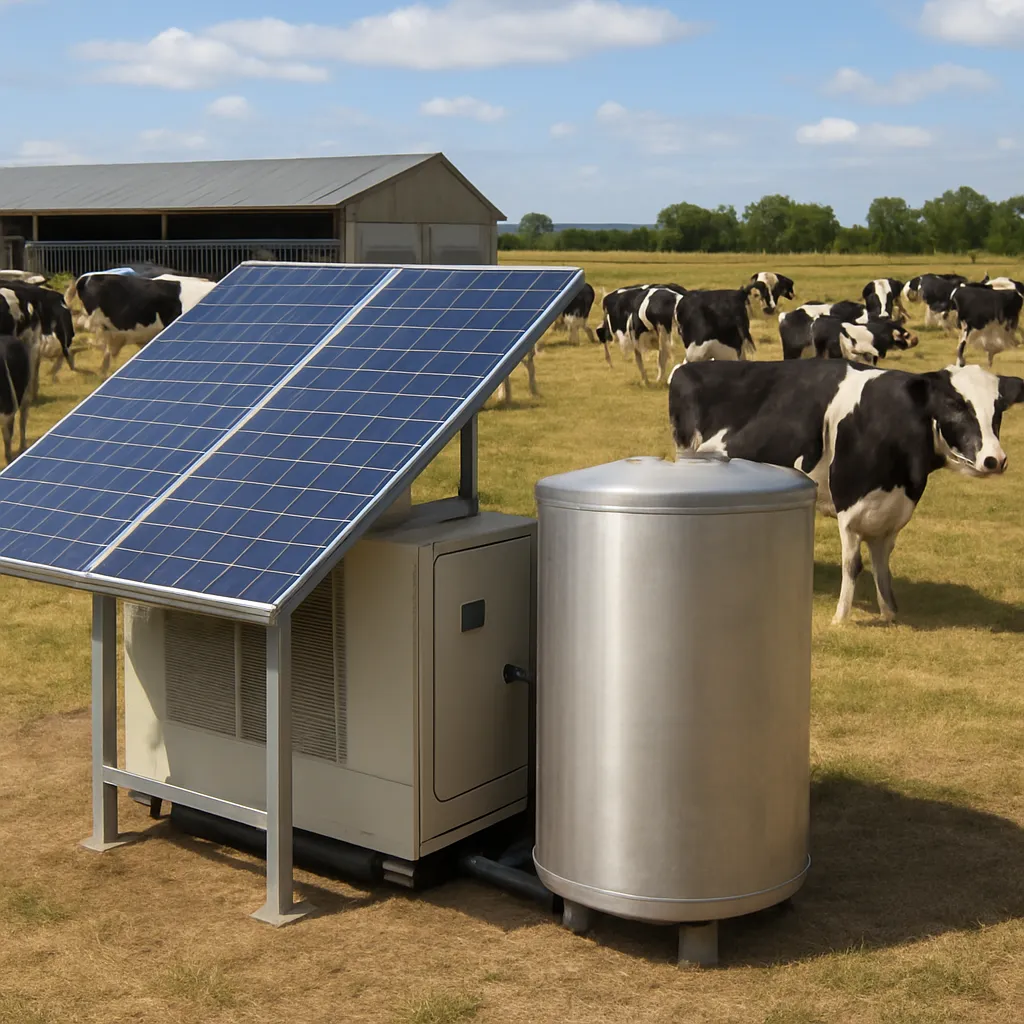
Localized Haber-Bosch reactors, powered by farm-based solar arrays or biogas, enable decentralized production of ammonia and other nitrogenous compounds. Such units support precision dosing, cutting waste and runoff pollution.
Innovative Application Methods
Delivering hydrogen-derived nutrients effectively requires rethinking fertilizer formulations and equipment. Advances include:
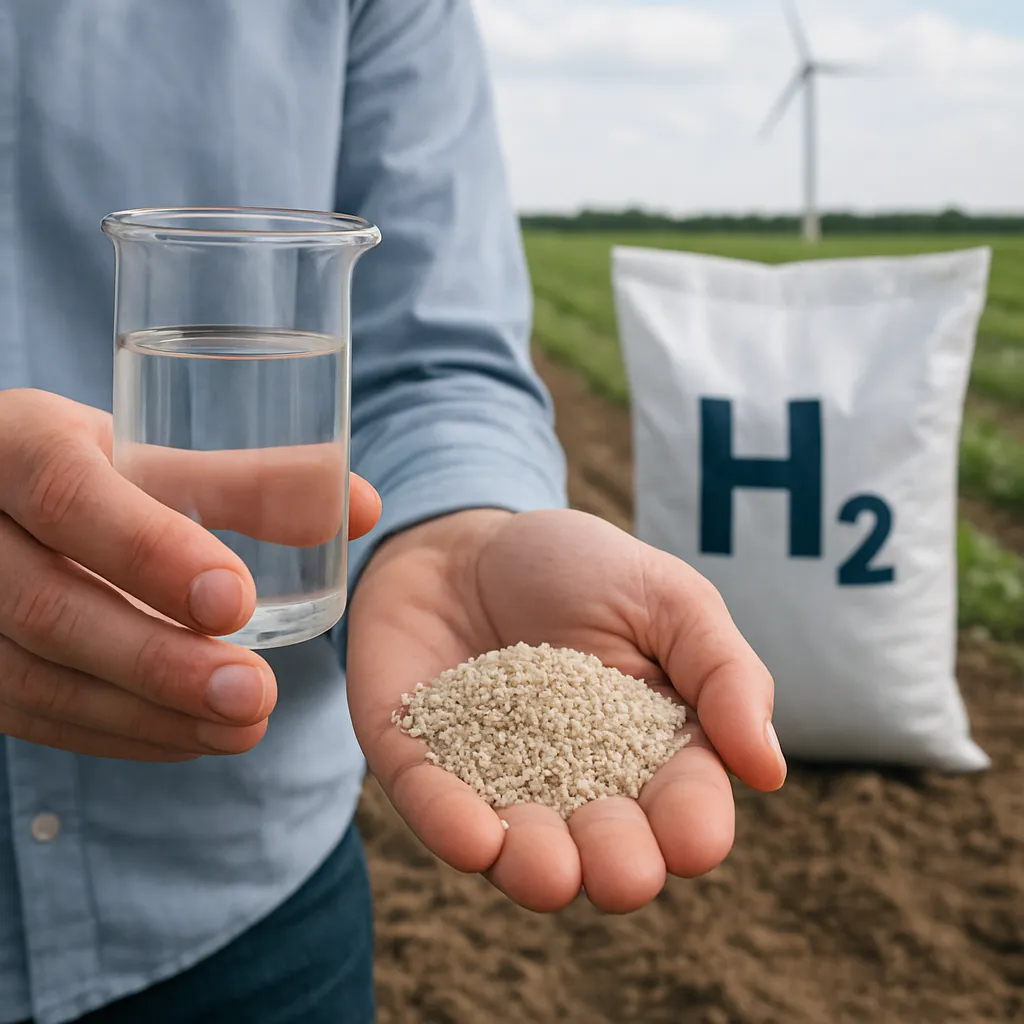
- Controlled-release pellets embedding ammonia in biodegradable coatings that respond to soil temperature and moisture.
- Liquid injections of dilute ammonia solutions via drip irrigation systems for row crops, ensuring uniform distribution.
- Fertilizer briquettes infused with hydrogen-ammonia complexes, suitable for smallholder farms lacking advanced machinery.
- Foliar sprays that allow leaf uptake of nitrogen, complementing root absorption and reducing leaching.
These methods optimize nutrient uptake efficiency, enhancing yield per unit of nitrogen applied and minimizing environmental losses.
Impact on Crop Performance and Ecosystems
Pilot studies and field trials across diverse climates reveal promising outcomes:
- Up to 20% reduction in nitrogen application rates without sacrificing maize or wheat productivity.
- 30% lower nitrous oxide emissions measured in greenhouse gas monitoring compared to conventional fertilizer regimes.
- Enhanced soil microbial diversity, fostering long-term sustainability and improved carbon sequestration in soils.
- Reduced nutrient runoff into waterways, mitigating eutrophication in sensitive watersheds.
By closing the loop between renewable energy and plant nutrition, farmers can achieve robust harvests while safeguarding natural ecosystems.
Economic Viability and Scaling Challenges
Despite the environmental upside, widespread adoption hinges on overcoming economic and logistical hurdles:
- High initial capital costs for electrolyzer installations and on-site synthesis units.
- Variable electricity pricing from renewable grids, demanding flexible operation models and energy storage solutions.
- Regulatory uncertainty around innovation licensing, fertilizer approvals, and cross-border trade of novel products.
- Need for workforce training in handling pressurized gases, catalysts, and advanced injection systems.
Partnerships between agribusiness firms, energy providers, and government agencies can unlock funding mechanisms and streamline permitting processes.
Policy Frameworks and Adoption Incentives
Effective policy measures are critical for accelerating the transition to hydrogen fertilizers:
- Subsidies or tax credits for renewable hydrogen used in agriculture, offsetting operating expenditures.
- Feed-in tariffs or power purchase agreements to guarantee stable energy supply for electrolyzers.
- Incentive programs rewarding farmers for verified reductions in greenhouse gas emissions and nutrient runoff.
- Grants for pilot demonstrations on small and midsize farms to validate models across diverse geographies.
Total integration of sustainable nutrient systems requires cohesive strategies that align agricultural stakeholders with broader climate objectives and market dynamics.