Greenhouse cultivation has revolutionized modern agriculture by offering controlled conditions for high-value crops year-round. However, the stable microclimate also fosters accelerated reproduction of unwanted pests. Implementing biological pest control within these enclosed systems not only reduces chemical residues but also enhances overall sustainability and crop health. This article explores fundamental principles, key agents, practical strategies, and emerging innovations that shape successful ecological management in protected cultivation.
Principles of Biological Pest Control
At its core, biological control relies on natural ecological interactions to suppress pest populations. By introducing or encouraging beneficial organisms, growers can maintain pest levels below economic injury thresholds without relying on synthetic pesticides. The main objectives include enhancing population dynamics of predators and parasitoids, disrupting pest life cycles, and fostering a balanced environment within the greenhouse.
Ecological Balance and Food Webs
Greenhouse ecosystems, when left unmanaged, can become dominated by herbivorous insect species. Biological control practitioners strive to re-establish a functional food web by:
- Introducing specialist natural enemies that target specific pest species.
- Augmenting generalist predators to provide broad-spectrum control.
- Conserving indigenous populations through habitat manipulation and reduced pesticide use.
This approach aligns with the integrated pest management (IPM) framework, where biological tactics complement cultural, mechanical, and chemical methods to minimize pest damage while preserving beneficial biodiversity.
Key Biological Control Agents
The selection of appropriate organisms is critical for effective pest suppression. Below are the principal categories of natural enemies employed in greenhouse settings.
Predatory Insects and Mites
- Predators such as lady beetles (Coccinellidae) are voracious feeders of aphids and whiteflies.
- Minute pirate bugs (Orius spp.) target thrips, spider mites, and small lepidopteran larvae.
- Predatory mites (Phytoseiidae) feed on spider mites and broad mites, offering year-round control under suitable temperature and humidity.
Parasitic Wasps and Flies
- Egg parasitoids like Trichogramma spp. attack lepidopteran pests by laying eggs within host eggs, preventing larval emergence.
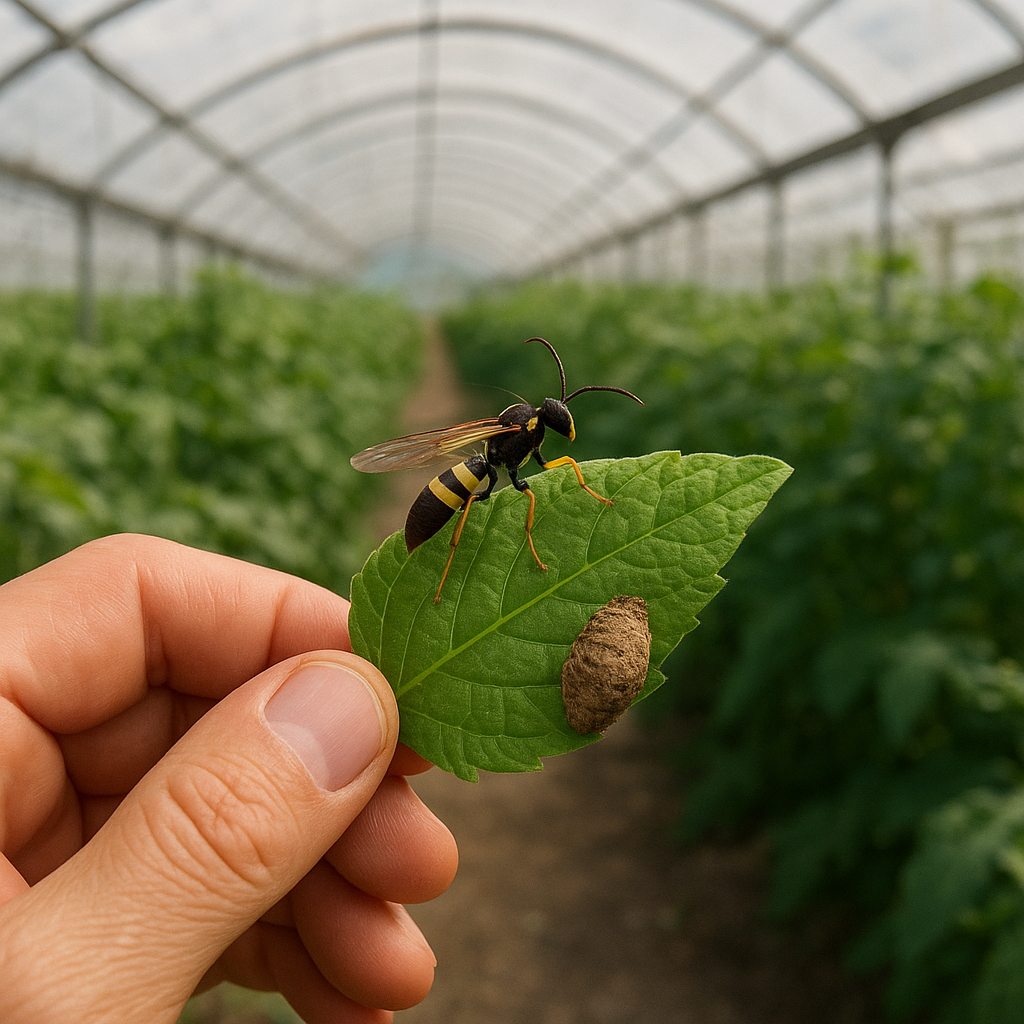
- Aphid parasitoids (e.g., Aphidius colemani) regulate aphid colonies through internal parasitism, leaving distinctive “mummies.”
- Parasitoid flies such as Encarsia formosa effectively control whitefly populations on tomatoes and cucumbers.
Entomopathogenic Organisms
- Entomopathogenic nematodes (Steinernema and Heterorhabditis spp.) seek out soil-dwelling pests like fungus gnats and thrips pupae.
- Fungal agents (Beauveria bassiana, Metarhizium anisopliae) infect a broad spectrum of insect hosts via conidia, causing mortality and horizontal transmission.
- Bacterial products (Bacillus thuringiensis var. kurstaki) produce crystal toxins targeting caterpillar larvae when ingested, with minimal non-target effects.
Some growers also deploy botanical biopesticides as part of an integrated suite of biological tactics, further reducing chemical residues.
Implementation in Greenhouse Environments
Translating biological control theory into practice requires careful planning, monitoring, and adaptation. Key steps include:
- Baseline pest and natural enemy assessment to determine initial release rates.
- Selection of compatible species based on crop type, pest complex, and climatic conditions.
- Integration with cultural methods such as sanitation, pruning, and temperature management.
Release Strategies and Timing
Effective targeting of pests demands precision in both timing and density of releases. There are three common strategies:
- Inundative releases: High numbers of natural enemies are released en masse for rapid knockdown of extreme infestations.
- Inoculative releases: Smaller introductions early in the crop cycle aim to establish enduring populations that build up gradually.
- Classical biological control: Rarely used in short-cycle greenhouse crops, but involves introducing exotic agents to establish permanently.
Environmental Controls for Optimal Performance
Greenhouse climate management plays a pivotal role in the success of biological agents. For example:
- Relative humidity above 60% favors entomopathogenic fungi and many predatory mites.
- Temperature regimes between 20–28°C accelerate development of both pests and natural enemies but may shift the predator–prey balance.
- Supplemental lighting can encourage plant vigor and indirectly support populations of beneficial insects.
Regular monitoring through sticky traps, leaf inspections, and population sampling ensures timely adjustments and avoids population crashes of beneficial organisms.
Challenges and Innovative Solutions
Despite proven benefits, biological control in greenhouse systems faces several obstacles. Pesticide residues, fluctuating microclimate, and limited natural enemy mobility can compromise efficacy. However, growers and researchers are advancing novel approaches to overcome these challenges.
Resistance Management and Pesticide Compatibility
Repeated use of a single biological agent or pesticide can lead to resistance in target populations. Strategies to mitigate resistance include rotating control agents, using selective chemistries that spare beneficials, and combining biological treatments with IPM tactics tailored to pest pressure.
Conservation Biocontrol and Habitat Manipulation
Enhancing the internal greenhouse environment to favor beneficials involves:
- Installing banker plant systems that sustain natural enemy populations when primary pests are scarce.
- Providing pollen or nectar sources to supplement adult parasitoid nutrition.
- Creating microhabitats with fine-textured ground covers or humidity chambers to shelter predatory mites.
Technological Innovations
Precision agriculture tools are increasingly integrated into greenhouse pest management:
- Automated release devices dispense predatory mites or parasitoids at set intervals, improving spatial distribution.
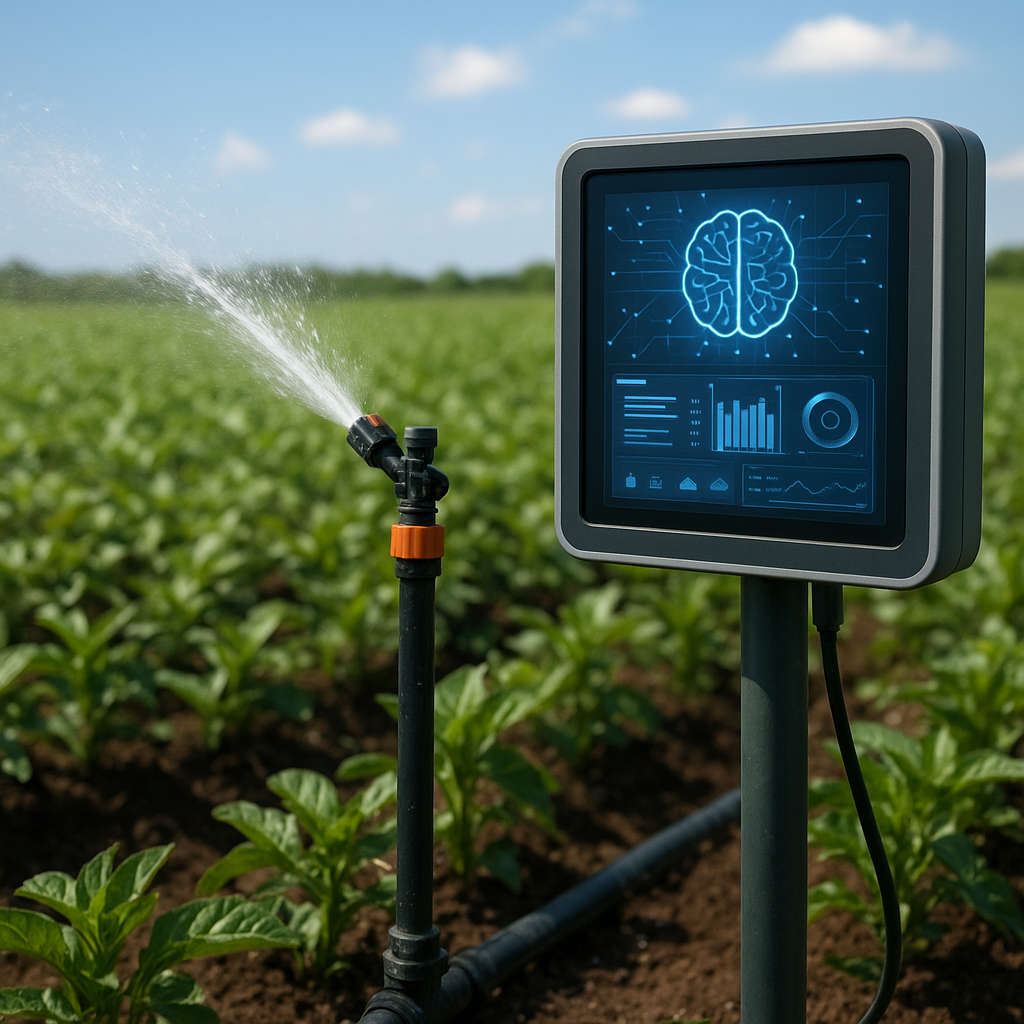
- Real-time sensor networks monitor microclimatic variables and pest activity, enabling dynamic adjustments of releases.
- Machine learning algorithms analyze camera trap data to track population trends of both pests and beneficial organisms, streamlining decision-making.
These cutting-edge solutions promise to elevate biological control from a supportive tactic to a cornerstone of sustainable greenhouse production, ensuring healthier plants, reduced chemical footprints, and resilient crop systems.