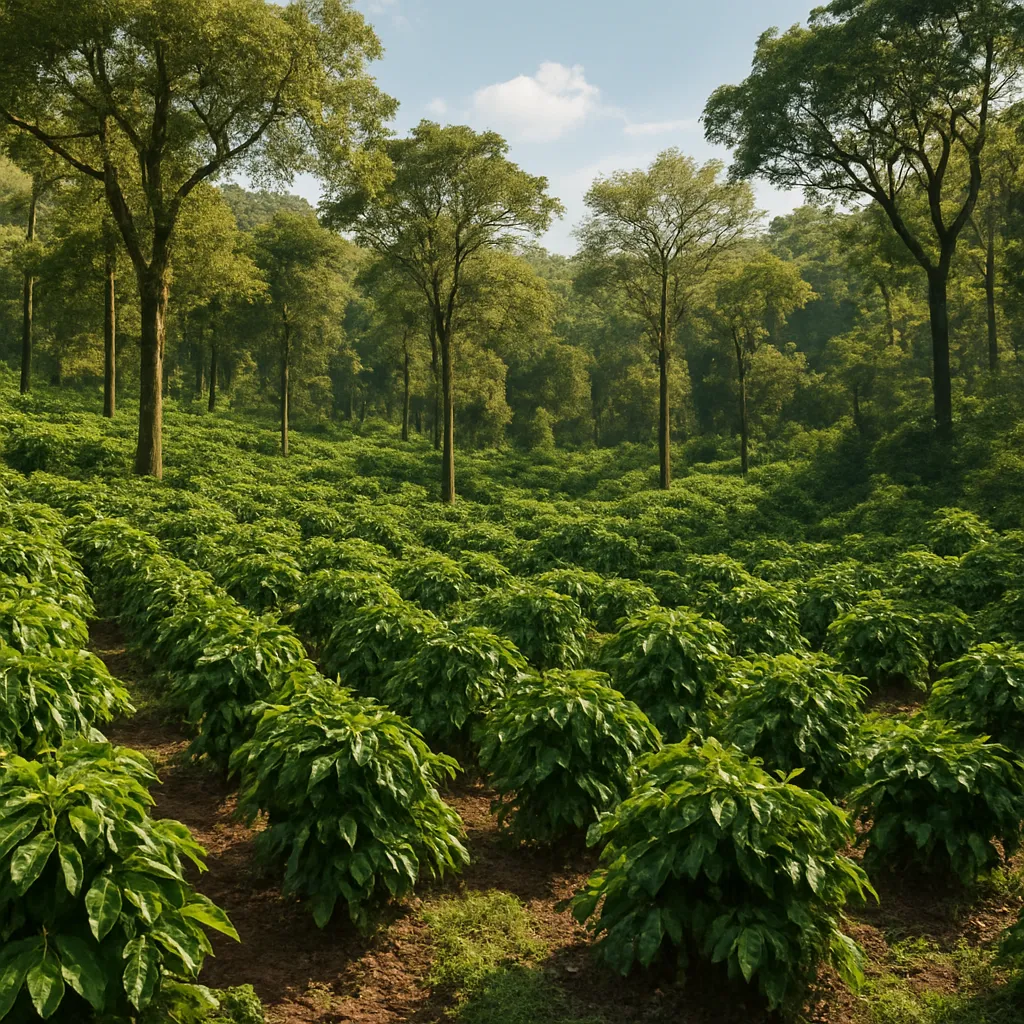
The emergence of regenerative coffee plantations marks a transformative shift in agricultural practices, blending productivity with environmental restoration. These innovative systems reintegrate native flora, enrich soil fertility, and unlock new avenues for farmer livelihoods. By embracing principles of agroforestry and holistic land management, growers are cultivating coffee under a protective forest canopy, catalyzing the revival of degraded landscapes into vibrant habitats. This approach not only yields premium beans but also nurtures long-term sustainability of both the farm and the surrounding ecosystem.
Integrating Agroforestry to Revitalize Landscapes
Traditional monoculture coffee farms often lead to soil degradation, habitat loss, and nutrient depletion. In contrast, agroforestry systems interweave coffee bushes with native trees and shrubs, creating multilayered canopies that mirror natural forests. This layering improves microclimates by shading crops, reducing temperature extremes, and conserving moisture. Understory plants contribute organic matter as they shed leaves, gradually boosting soil fertility and structure.
- Tree species selection: Leguminous trees fix nitrogen, while fruit-bearing species diversify income.
- Canopy architecture: Layered foliage intercepts rainfall, diminishes erosion, and maintains consistent humidity around coffee plants.
- Polyculture synergy: Intercropped vegetables or medicinal herbs enhance farm productivity and reduce reliance on external inputs.
Farmers adopting this model witness a resurgence of native wildlife as pollinators, birds, and beneficial insects return, drawn by a mosaic of food sources and shelter. The holistic design fosters resilience against pests and diseases, curbing the need for synthetic pesticides.
Enhancing Biodiversity through Shade-Grown Practices
Cultivating coffee under a living canopy revives local biodiversity and promotes habitat connectivity. Shade-grown coffee plantations serve as stepping-stones between forest fragments, enabling wildlife to traverse agricultural landscapes safely. The intertwining of coffee plants with native trees preserves genetic reservoirs, safeguarding endangered species of flora and fauna.
- Avian corridors: Migratory birds utilize plantation canopies for rest and foraging.
- Pollinator support: Native bees and butterflies flourish in diverse planting schemes.
- Natural pest control: Predatory insects and bats regulate pest populations without chemical intervention.
By prioritizing shade management over clear-cutting, producers uphold ecological integrity while securing higher quality beans. The slower ripening process under filtered sunlight intensifies flavor compounds, often translating into premium market prices.
Improving Soil Health and Carbon Sequestration
Healthy soil forms the bedrock of productive agriculture. Soil health encompasses physical structure, nutrient availability, and biological activity. Regenerative coffee systems stimulate root networks and mycorrhizal associations, accelerating the decomposition of organic matter. As leaf litter accumulates, earthworms and microbes break it down, locking nutrients within the topsoil.
Furthermore, integrating deep-rooted tree species enhances carbon sequestration by drawing CO₂ from the atmosphere and storing it in biomass and soil organic carbon pools. Over time, these plantations can offset significant greenhouse gas emissions, aligning coffee cultivation with global climate goals.
- Cover cropping: Legumes and pioneer species suppress weeds, fix nitrogen, and protect soil from erosion.
- No-till zones: Minimizing soil disturbance preserves microbial life and aggregates essential for water retention.
- Compost amendments: Locally sourced compost enriches soil fertility and fosters nutrient cycling.
The synergy of enhanced microbial diversity and increased organic matter results in soils that are more resilient to drought and heavy rainfall, ensuring consistent yields and long-term farm viability.
Fostering Community Engagement and Economic Resilience
The transition to regenerative practices hinges on strong community involvement. Collective learning platforms—such as farmer cooperatives and field schools—enable knowledge exchange on agroecological methods and land stewardship. Training initiatives emphasize metrics like biodiversity indices, soil carbon levels, and water management, empowering growers to track progress objectively.
Economic resilience arises from diversified income streams facilitated by value-added products. Beyond green beans, farmers can market organic compost, shade-grown agroforestry seedlings, or eco-tourism experiences that showcase sustainable coffee culture. By tapping into specialty coffee networks and certification schemes, producers command higher prices, reinvesting profits into conservation and social programs.
- Microfinancing: Tailored loans support the upfront costs of tree establishment and infrastructure upgrades.
- Market access: Direct trade partnerships reduce intermediaries, delivering greater returns to smallholders.
- Participatory governance: Community-led committees oversee resource allocation, ensuring transparent benefit sharing.
Through collaborative extension services and digital platforms, remote farmers gain remote sensing tools to monitor canopy cover and soil moisture. Harnessing geospatial data and blockchain traceability, stakeholders validate sustainable practices from farm to cup, reinforcing consumer trust and driving further investment in regenerative agriculture.