The shift toward biodegradable crop protection nets represents a significant advancement in modern agriculture. By replacing traditional plastics with materials that naturally break down, farmers can better manage pests, support soil health, and reduce long-term waste. This article explores the technological breakthroughs, field applications, and broader benefits of these novel systems.
Understanding the Materials and Mechanisms
Origins of Biodegradable Polymers
Researchers have developed a variety of materials capable of forming lightweight nets. Among them, polylactic acid (PLA), polyhydroxyalkanoates (PHA), and certain starch blends stand out for their balance of strength and degradation profiles. These polymers are synthesized from renewable feedstocks such as corn starch, sugarcane, or microbial fermentation products. Their molecular chains break down under specific temperature, moisture, and microbial activity conditions, releasing benign byproducts like water, carbon dioxide, and biomass.
Mechanics of Breakdown
When exposed to natural soil ecosystems, specialized bacteria and fungi enzymatically cleave polymer bonds. The process progresses through three phases:
- Surface erosion, as microbes colonize the net’s fibers
- Chain scission, where long molecules split into shorter chains
- Mineralization, the final conversion to CO₂, H₂O, and humic substances
This controlled breakdown contrasts sharply with conventional polyethylene nets that fragment into persistent microplastics, which can remain in fields for centuries and inhibit soil fertility.
Field Applications and Performance
Enhanced Crop Growth Conditions
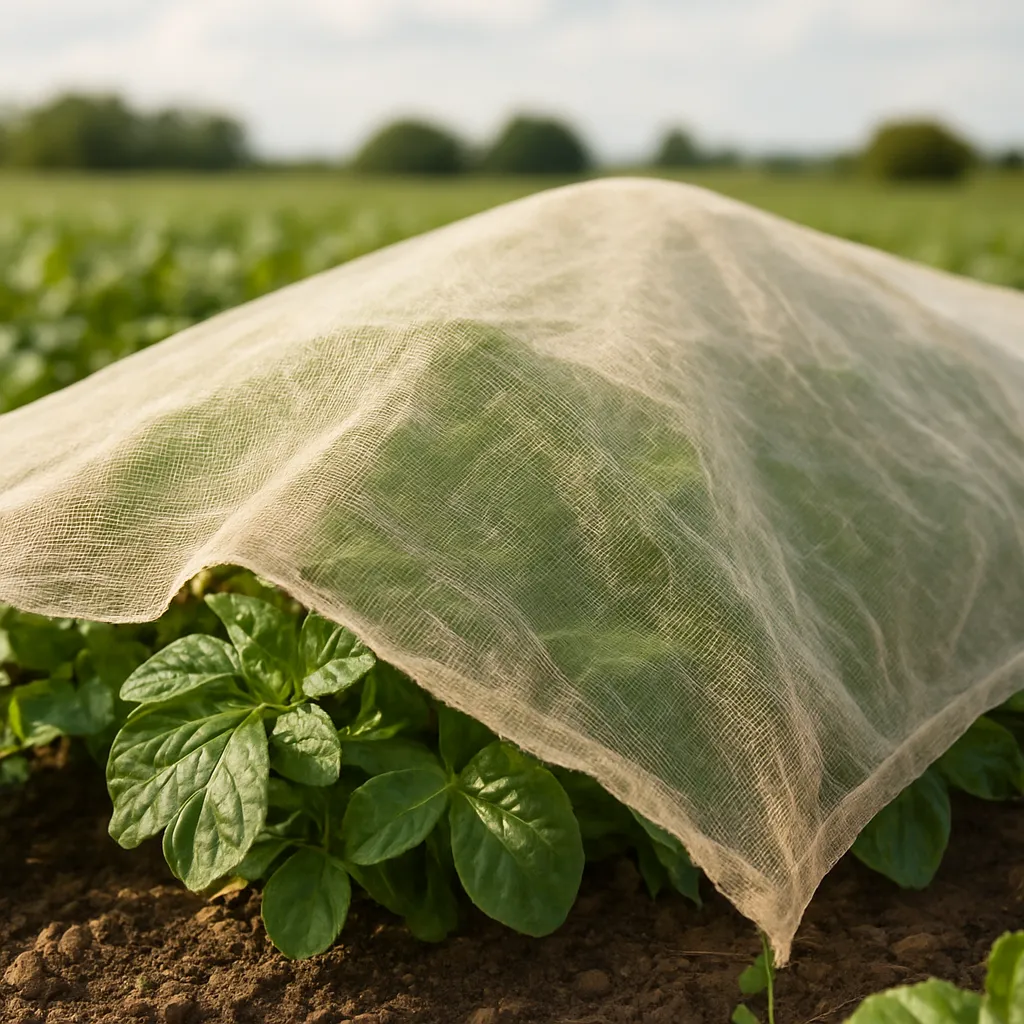
Cultivating vegetables, fruits, and high-value horticultural products requires protective meshes that mitigate bird, insect, and hail damage. Biodegradable nets deliver comparable tensile strength and UV resistance to traditional options while dissolving after a growing season. Farmers have reported consistent yields in strawberries, tomatoes, and grapes when using these nets, attributing improved fruit quality to reduced chemical pesticide reliance.
Case Studies in Diverse Climates
- Mediterranean Vineyards: Trials in Spain revealed that PLA-based nets maintained structural integrity for six months, then rapidly decomposed in winter rains.
- Temperate Vegetable Farms: In the Netherlands, starch-based nets allowed tomato growers to skip mechanical removal, saving labor costs and preventing soil compaction.
- Tropical Fruit Orchards: Polyhydroxyalkanoate meshes lasted through humid seasons, demonstrating resistance to microbial overgrowth until harvest, after which they vanished within three months.
These experiences highlight the performance consistency across diverse environments, showcasing the nets’ adaptability and uniform decomposition timelines.
Environmental and Economic Benefits
Reducing Plastic Waste
Traditional crop protection nets often end up in landfills or incinerators after one season, contributing to global plastic pollution. Transitioning to biodegradable alternatives addresses several concerns:
- Elimination of microplastic accumulation in agricultural fields
- Lower carbon footprint due to renewable feedstocks
- Minimized disposal logistics and waste management costs
Long-Term Soil Health and Resilience
Soils enriched with residual polymer fragments may suffer reduced porosity and microbial diversity. Biodegradable nets, by contrast, foster healthier microbial communities during breakdown. The end-products—organic acids and humic compounds—act as natural soil conditioners, improving water retention and nutrient cycling. Over repeated seasons, this gradual enrichment contributes to farm sustainability and enhances crop protection by fostering a balanced ecosystem.
Challenges and Future Directions
Cost Competitiveness
Despite the clear environmental advantages, biodegradable nets currently carry a price premium of 20–40% over conventional plastics. Scaling up production and optimizing feedstock procurement are essential to driving unit costs down. Collaborative efforts between material scientists, agribusiness investors, and policy makers can accelerate market penetration and achieve economies of scale.
Standardization and Certification
Establishing uniform testing protocols for degradation rate, mechanical strength, and environmental impact is critical. Organizations such as ISO and ASTM are drafting guidelines to ensure that marketed nets meet stringent performance and biodegradability criteria. Once standardized, these certifications will give farmers confidence in product reliability and facilitate regulatory approvals worldwide.
Innovations on the Horizon
Emerging research is exploring multifunctional nets that incorporate:
- Slow-release biopesticides embedded in polymer matrices
- Nanofiber reinforcements for enhanced tensile strength
- Color-changing indicators to signal degradation progress
Such innovations could transform nets from passive shields into active agents that monitor and adapt to crop growth stages, maximizing yield while minimizing inputs.
Integrating Biodegradable Nets into Holistic Farm Management
Synergy with Precision Agriculture
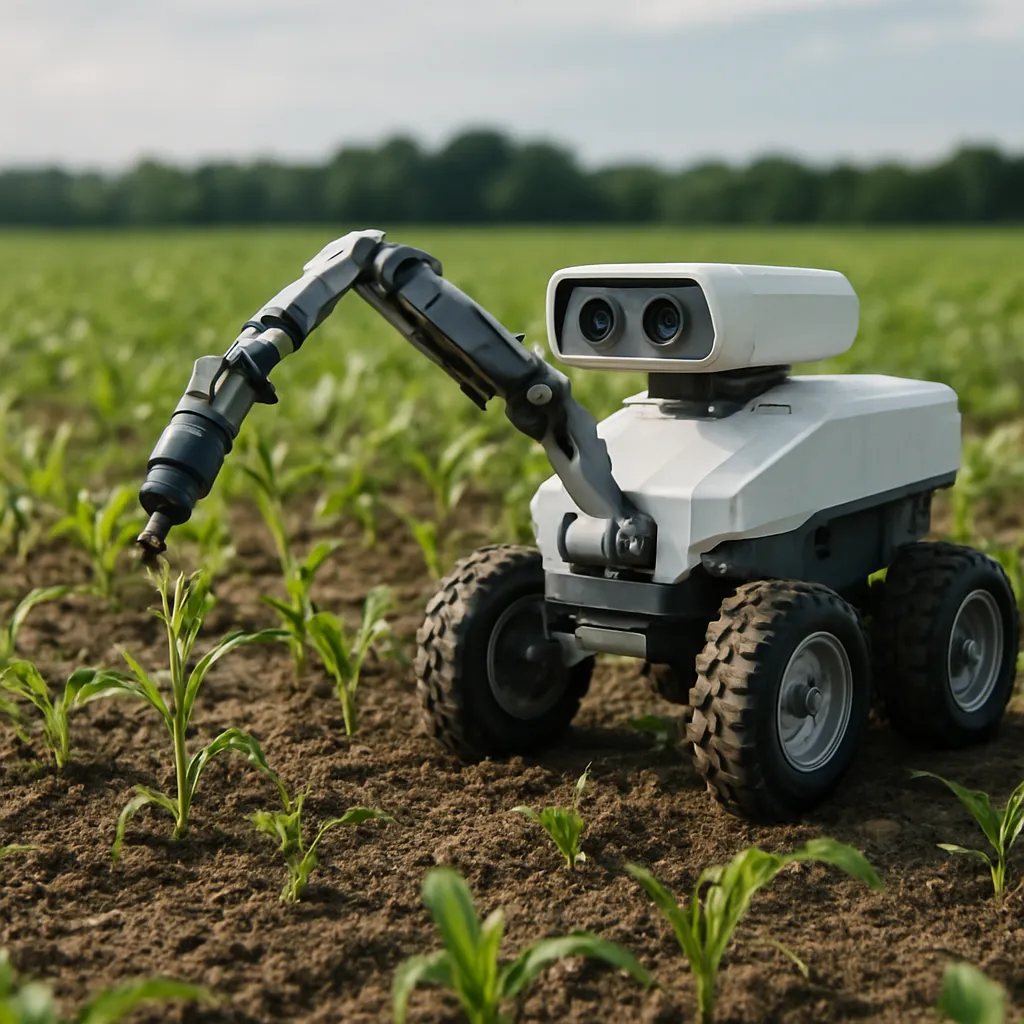
Pairing nets with soil moisture sensors, drone-based imaging, and automated irrigation systems can create an integrated protection and monitoring platform. Farmers can track net integrity remotely, schedule planting and harvesting precisely, and adjust pest management strategies in real time.
Stakeholder Collaboration
Successful adoption depends on cooperation among growers, material suppliers, extension services, and policy makers. Training programs and demonstration plots can highlight best practices, while government incentives such as tax credits or grant funding can lower entry barriers for small-scale farmers.
Conclusion
The adoption of biodegradable crop protection nets signals a transformation in how modern farming addresses environmental challenges. By offering robust defense against pests and weather events while naturally returning to the earth, these nets embody the principles of circular innovation and ecological stewardship. As research advances and markets mature, such technologies will play a pivotal role in ensuring the future environmental and economic viability of global food systems.