Urban regions around the globe are increasingly embracing innovative food production methods to meet the demands of growing populations. Among these solutions, sustainable urban aquaculture stands out for its ability to generate high-quality protein while minimizing environmental footprints. By integrating fish farming into cityscapes, planners and growers can transform abandoned rooftops, unused warehouses, and vertical structures into thriving aquatic ecosystems. This approach not only bolsters local food security but also fosters innovation in the use of limited space, water resource management, and nutrient cycling. As challenges like climate change and supply chain disruptions intensify, urban aquaculture systems offer a path to enhanced resilience and elevated productivity within metropolitan food networks.
Integrating Aquaculture into Urban Landscapes
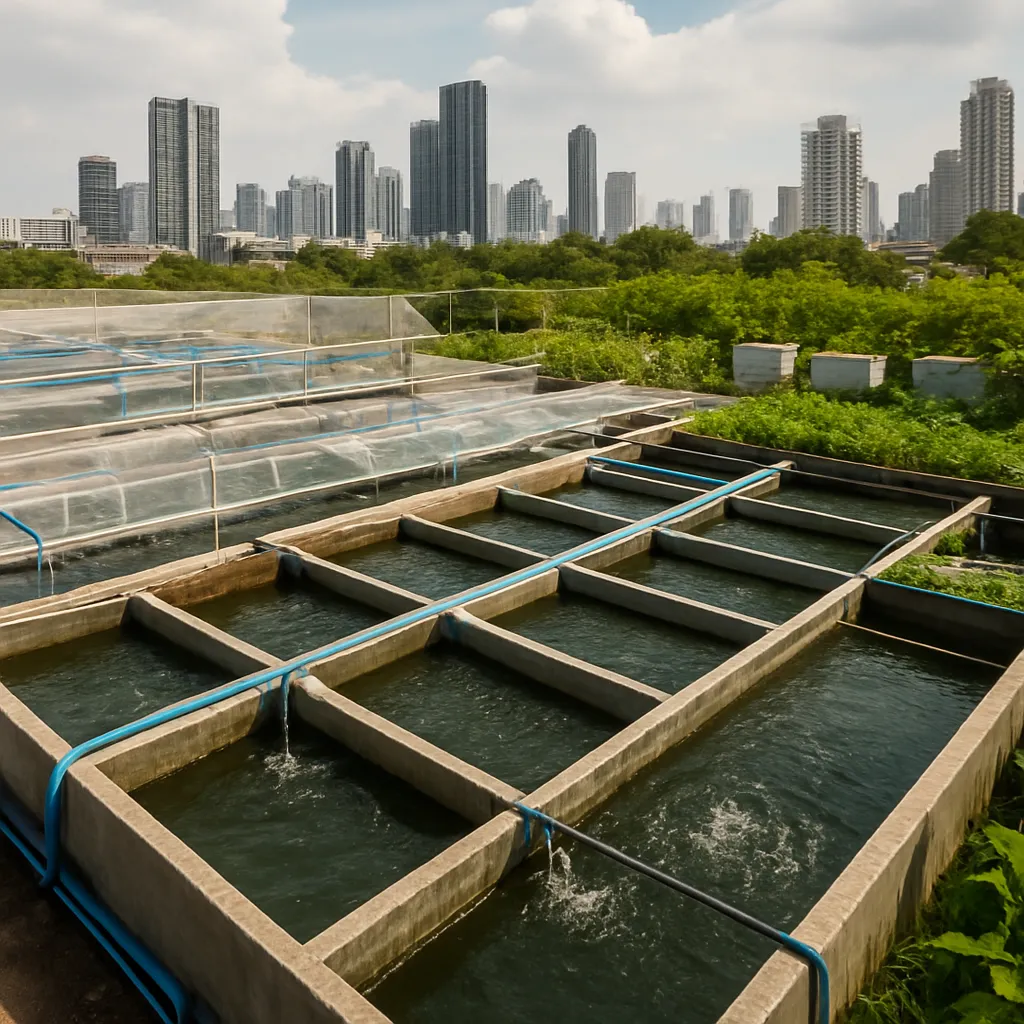
Converting urban real estate into productive aquaculture facilities requires careful planning and creative design. Rooftop tanks and indoor recirculating facilities can house various species, from tilapia and perch to prawns and shellfish. Utilizing high-density, land-efficient methods, producers employ technology-driven solutions that optimize water use and temperature control. Integration with existing buildings often involves retrofitting HVAC systems to manage humidity, installing LED lighting to support plant growth in aquaponic setups, and engineering filtration units that keep water pristine. Such systems thrive in greenhouse-like enclosures, where climate parameters can be fine-tuned to maximize fish yield while reducing the energy burden associated with traditional open-pond operations.
Types of Urban Aquaculture Systems
- Recirculating Aquaculture Systems (RAS): Closed-loop water treatment for minimal discharge
- Aquaponics: Symbiotic combination of fish culture and hydroponic plant production
- Vertical Aquaculture Towers: Stacked tanks for enhanced spatial efficiency
- Integrated Multi-Trophic Aquaculture (IMTA): Co-cultivation of complementary species to reuse nutrients
- Modular Container Farms: Scalable, transportable units for flexible deployment
Environmental and Economic Benefits
Urban aquaculture boasts numerous environmental advantages over conventional seafood production. By employing sustainable water recirculation and biofiltration, systems drastically reduce effluent release, safeguarding local waterways from nutrient pollution. Closed environments allow operators to capture and reuse fish waste as fertilizer, promoting urban green spaces and vertical farms. Additionally, sourcing fish locally cuts down on transportation emissions, contributing to lower carbon footprints in city centers.
From an economic standpoint, urban aquaculture stimulates job creation in areas such as system design, water chemistry management, fish health monitoring, and facility maintenance. Startups and small businesses can flourish by offering fresh, traceable products directly to restaurants, grocers, and community markets. Investment in innovation encourages partnerships between tech firms and agricultural experts, driving the development of automated feeding systems, AI-based water quality sensors, and digital dashboards for performance tracking. The result is a diversified urban economy that benefits from multiple revenue streams and a resilient local food supply chain.
Challenges and Mitigation Strategies
Despite its promise, urban aquaculture faces a range of obstacles. Regulatory hurdles can delay project approvals due to zoning restrictions and water-use permitting. Energy consumption remains significant in climate-controlled facilities, and managing disease outbreaks in densely stocked tanks demands rigorous biosecurity protocols. The high initial capital expenditure for equipment and infrastructure can also deter new entrants.
To overcome these challenges, proponents are pursuing strategic solutions. Policymakers are encouraged to revise urban agriculture codes to include clear guidelines on water rights and wastewater reuse. Incorporating renewable energy sources, such as solar panels and geothermal pumps, helps to lower operating costs and carbon emissions. Advances in selective breeding and probiotic treatments reduce morbidity, enhancing fish resilience. Public–private partnerships can provide financial incentives, grants, and low-interest loans to offset startup expenses and foster community-based ventures that share risk and reward.
Emerging Trends and Future Outlook
The next generation of urban aquaculture will be shaped by cutting-edge research and collaborations across disciplines. Integration of Internet of Things (IoT) sensors will deliver real-time data on dissolved oxygen, pH, and ammonia levels, enabling precise environmental adjustments. Machine learning algorithms will predict growth rates and optimize feeding schedules, improving feed conversion ratios and reducing waste.
Biotechnological progress in selective breeding will yield strains that grow faster and tolerate variable conditions, supporting year-round production. Efforts to expand species diversity will introduce underutilized fish, mollusks, and crustaceans into urban markets, enhancing biodiversity. Designers are also exploring hybrid models that combine solar-powered rooftop fish farms with adjacent hydroponic gardens, creating closed-loop ecosystems that exemplify circular economy principles.
Innovation in modular design will allow facilities to scale up rapidly in response to demand, while mobile aquaculture units can be deployed to underserved neighborhoods, boosting equitable access to fresh protein. Collaborative research hubs will connect universities, municipal agencies, and private entrepreneurs, accelerating technological breakthroughs and policy reforms. As cities strive for greater food security and environmental stewardship, urban aquaculture stands poised to play a transformative role in how people source, consume, and value sustainable seafood.