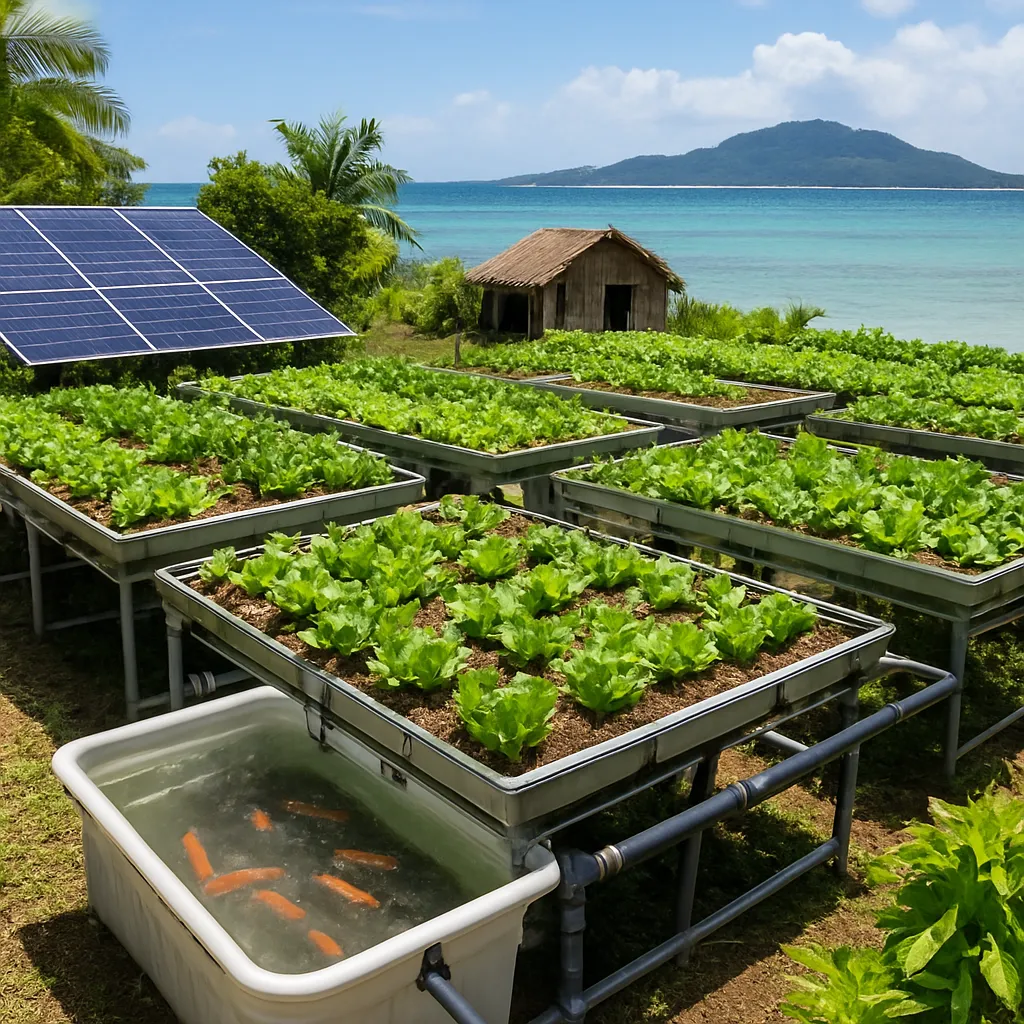
Adopting sustainable aquaponics systems on remote islands offers a transformative approach to local food production, combining fish farming and hydroponic plant cultivation into a closed-loop ecosystem. Such systems reduce reliance on imported produce and fertilizer, conserve scarce freshwater, and harness renewable resources to build resilience in isolated communities. By understanding the core principles, designing climate-appropriate infrastructure, and engaging local stakeholders, remote islanders can achieve year-round yields of vegetables, herbs, and protein-rich fish.
Principles of Aquaponics for Island Sustainability
At its heart, aquaponics relies on the symbiotic relationship between aquatic animals and plants. Fish waste, high in ammonia, is converted by nitrifying bacteria in a process called biofiltration into nitrates. These nitrates serve as a nutrient source for plants, which in turn purify the water, creating a continuous cycle of nutrient cycling. Key advantages for remote islands include dramatic water conservation—often using over 90% less water than soil-based agriculture—and the elimination of chemical fertilizers.
- Closed-loop water recirculation reduces vulnerability to drought.
- Integrated pest management minimizes chemical inputs.
- Modular design allows gradual expansion as community needs grow.
Design and Infrastructure Considerations
Developing an island aquaponics facility requires careful planning of both biological and physical components. Materials must often be shipped in, so local sourcing of salvaged tanks, piping, and grow beds can lower costs and carbon footprints. Incorporating renewable energy—solar panels, small wind turbines, or micro-hydro where available—ensures off-grid operation and enhances system efficiency.
Water Quality and Salinity Management
Tropical islands may contend with high salinity in groundwater or rainwater catchment systems. Blending rainwater harvesting with reverse-osmosis units can adjust salinity levels for optimal fish health. Continuous monitoring of pH (ideally between 6.8 and 7.2) and dissolved oxygen supports vigorous plant growth and fish metabolism.
Structural Layout and Footprint
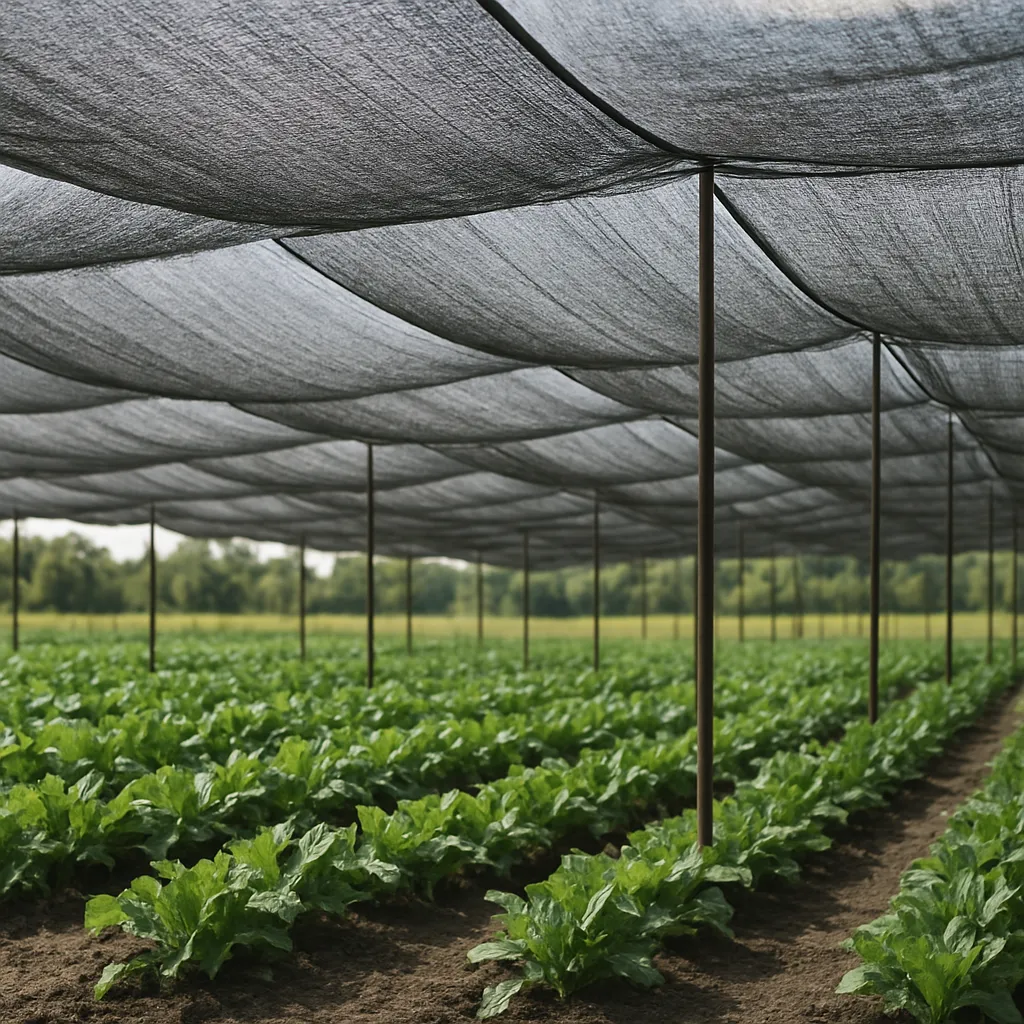
Positioning tanks and grow beds under shade cloth reduces temperature extremes. Buildings or shelters with corrugated metal or polycarbonate roofing protect against tropical storms. Raised platforms facilitate gravity-fed flows, cutting pump energy use and allowing straightforward maintenance.
Species Selection: Matching Local Conditions
Success hinges on choosing fish and plant species adapted to island climates and markets. Tilapia is a common choice for its hardiness, rapid growth, and tolerance of variable water conditions. In more saline environments, marine shrimp or barramundi can thrive. Vegetables such as lettuce, basil, and kale grow quickly in nutrient-rich solutions, while fruiting plants like cherry tomatoes or peppers require greater nutrient loads and careful monitoring.
- Fast-growing greens for frequent harvest cycles.
- Herbs to diversify product offerings and optimize space.
- High-value crops for local restaurants or tourist markets.
Operational Strategies and Community Engagement
Launching an aquaponics project begins with a system cycling phase, during which bacteria populations establish. During this period, ammonia levels rise, then convert to nitrites and nitrates. Community members must be trained to test water parameters daily using simple kits. Developing local expertise fosters ownership and supports long-term maintenance.
Permaculture Integration
Combining aquaponics with permaculture design principles amplifies sustainability. Rainwater catchment systems, composting toilets, and fruit tree guilds can be woven into the facility layout. Polyculture plantings around the site create beneficial insect habitats that reduce pests without synthetic pesticides.
Education and Skill Development
Workshops and school programs introduce youth to food science and ecology, building capacity for future expansion. Training modules cover topics such as system monitoring, harvest planning, and business development. Involving women’s cooperatives and local agripreneurs ensures inclusive economic benefits.
Challenges and Innovative Solutions
Remote islands face logistical hurdles: high import costs for equipment, limited technical support, and unpredictable weather. Innovative responses include modular kits that fly in compact crates, 3D-printed fittings produced on-site, and solar-powered automation for feed dispensers and water pumps. Cloud-based monitoring platforms enable technicians on the mainland to advise on system tweaks in real time.
- Microfinance schemes lower the barrier for initial investment.
- Collaborations with NGOs facilitate training and maintenance.
- Adaptive designs withstand cyclones and salt spray.
Economic and Environmental Impact
An operational aquaponics farm can slash import bills for vegetables and fish, retaining capital within the island economy. Fresh produce grown locally commands premium prices at resorts and markets, boosting household incomes. Environmentally, aquaponics reduces fertilizer run-off, preserves surrounding coral reefs, and lowers carbon emissions associated with airfreighted food.
Scaling for Food Security
Even small-scale units producing 50–100 kilograms of vegetables per week alleviate pressure on fragile island ecosystems. As operations grow, surplus production can support school lunch programs or be bartered for other goods, strengthening social cohesion.
Long-Term Resilience
By embedding sustainability into every stage—from design to harvest—communities become better equipped to face climate change, fluctuating fuel prices, and supply chain disruptions. Aquaponics thus represents a durable pathway toward self-sufficiency and ecological stewardship in some of the world’s most isolated locations.