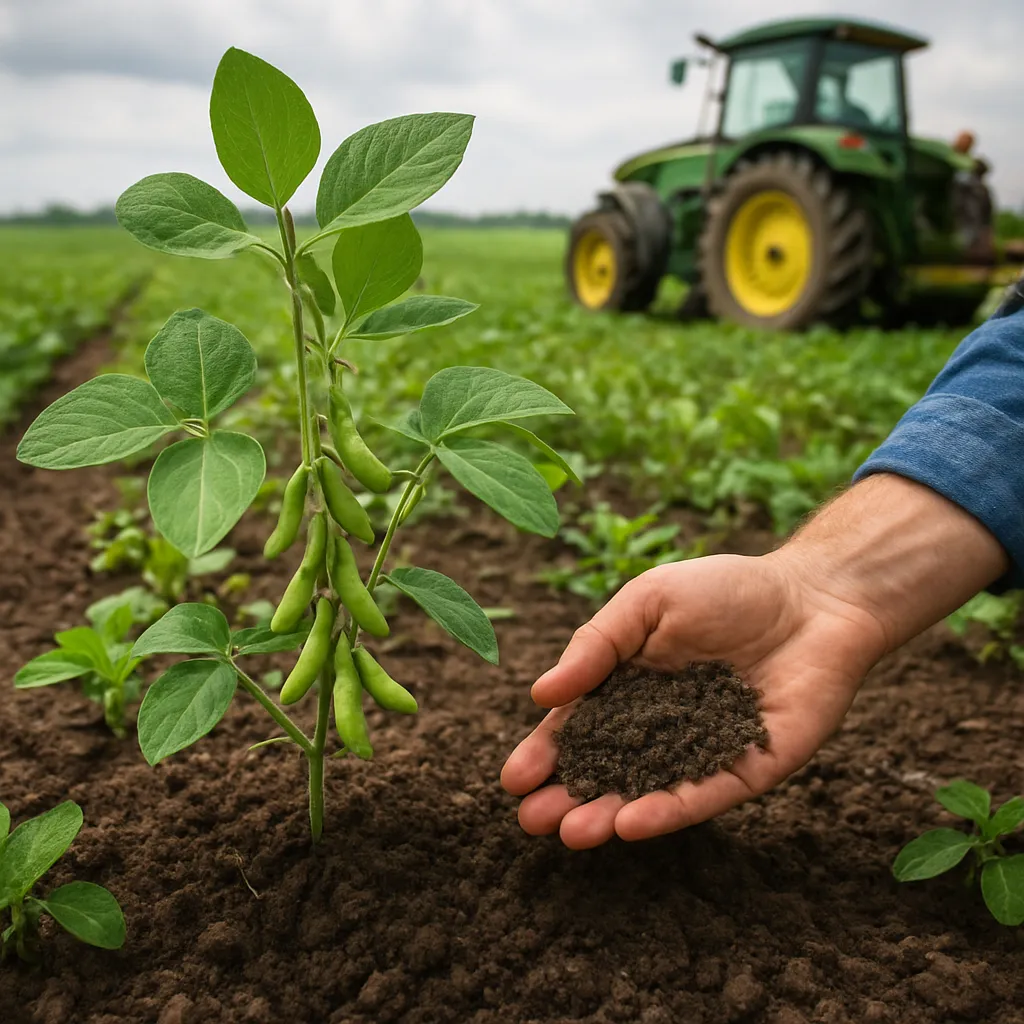
Understanding the potential of biological nitrogen fixation can revolutionize modern farming systems. By tapping into the power of microorganisms, farmers can reduce dependency on synthetic fertilizers, enhance soil fertility, and promote sustainable crop production. This article explores key mechanisms, benefits, and future prospects for integrating biological nitrogen fixation into agricultural practices.
Biological Nitrogen Fixation Mechanisms
Symbiotic Fixation
Symbiotic nitrogen fixation occurs when leguminous plants such as beans, peas, and clover form partnerships with rhizobia bacteria. These microorganisms inhabit root nodules, converting atmospheric nitrogen (N₂) into ammonia (NH₃) through the activity of the enzyme nitrogenase. The plant supplies carbohydrates as an energy source, and in return, it receives fixed nitrogen for growth. This mutually beneficial relationship underpins the productivity of many crop rotations and contributes to long-term soil health.
Free-Living and Associative Fixation
Not all nitrogen-fixing bacteria require a host plant. Free-living bacteria such as Azotobacter and Beijerinckia fix nitrogen independently in soil environments. Meanwhile, associative fixers like Azospirillum form loose associations with non-leguminous plants, for example, cereals and grasses. Though their fixation rates are lower than symbiotic systems, they still contribute significant amounts of nitrogen to the soil ecosystem, especially in intensive cropping systems.
Biochemical Pathways
The core of biological nitrogen fixation lies in the nitrogenase enzyme complex. This enzyme requires high energy input (ATP) and operates under anaerobic conditions. The general reaction can be simplified as:
- N₂ + 8 H⁺ + 8 e⁻ + 16 ATP → 2 NH₃ + H₂ + 16 ADP + 16 Pi
Microorganisms protect nitrogenase from oxygen using specialized proteins or structures, ensuring efficient conversion. Understanding these biochemical pathways enables researchers to optimize conditions for maximal nitrogen fixation in the field.
Role in Sustainable Agriculture
Enhancing Soil Fertility
One of the primary benefits of biological nitrogen fixation is the improvement of soil fertility without heavy reliance on chemical inputs. When legumes decompose or residues are incorporated into the soil, fixed nitrogen becomes available for subsequent crops. This natural nutrient cycling fosters a fertile medium for plant growth, reducing the risk of nutrient leaching and maintaining balanced soil chemistry.
Crop Rotation and Intercropping Strategies
Adaptive crop management systems leverage nitrogen-fixing plants to support non-legume species. Examples include:
- Crop Rotation: Alternating cereals with legumes to replenish nitrogen stores annually.
- Intercropping: Planting legumes alongside grains to supply real-time nitrogen and suppress weeds.
These strategies promote biodiversity, manage pests naturally, and balance nutrient demands across seasons. By integrating diverse species, farmers harness synergistic effects, resulting in higher yields and greater resilience to environmental stresses.
Biofertilizers and Inoculants
Commercially available biofertilizers containing rhizobia, Azospirillum, Azotobacter, and other beneficial microbes offer a practical tool for farmers. Inoculation of seeds or soil ensures effective colonization and optimized nitrogen fixation. Proper selection of inoculants tailored to specific crops, soils, and climates is crucial for maximizing nitrogen inputs and achieving consistent results.
Environmental and Economic Benefits
Reducing Synthetic Fertilizer Use
Overuse of synthetic nitrogen fertilizers contributes to soil degradation, water pollution, and high production costs. Biological nitrogen fixation mitigates these negative impacts by supplying a portion of crop nitrogen demands naturally. Decreased fertilizer inputs can lower expenses, reduce energy consumption in fertilizer production, and minimize greenhouse gas emissions associated with nitrogen fertilizer manufacturing.
Mitigating Greenhouse Gas Emissions
Excessive nitrogen fertilization leads to nitrous oxide (N₂O) emissions, a potent greenhouse gas. By substituting a fraction of synthetic inputs with fixed nitrogen from biological sources, farmers can curtail N₂O release. Moreover, well-structured rotations and reduced tillage preserve soil organic matter, further sequestering carbon and promoting a climate-smart agriculture approach.
Enhancing Ecosystem Services
Biological nitrogen fixation supports essential ecosystem services, such as:
- Pollination Support: Diverse plantings attract beneficial insects.
- Water Retention: Improved soil structure reduces runoff.
- Habitat Diversity: Mixed cropping systems foster greater wildlife diversity.
These services contribute to the long-term sustainability and resilience of farming landscapes.
Challenges and Future Perspectives
Variability in Field Performance
Factors such as soil pH, temperature, moisture, and existing microbial communities influence the success of biological nitrogen fixation. In some regions, low native rhizobia populations or adverse environmental conditions limit the formation of effective symbiosis. Research into adaptive strains, improved inoculation techniques, and soil amendments aims to overcome these barriers.
Genetic and Biotechnological Advances
Biotechnology offers promising avenues for enhancing nitrogen fixation. Efforts include:
- Transferring nitrogenase genes into non-legume crops.
- Engineering rhizobia with improved stress tolerance.
- Developing endophytic bacteria capable of colonizing cereal roots.
While these approaches face regulatory and technical hurdles, they hold potential for revolutionizing global agriculture by broadening the range of crops that benefit from biological nitrogen fixation.
Integration into Policy and Practice
To realize the full benefits of biological nitrogen fixation at scale, supportive policies and extension services are vital. Incentivizing cover crop adoption, funding research into indigenous microbial resources, and providing farmer training are key steps. Collaborative efforts among scientists, policymakers, and producers can foster widespread adoption of sustainable nitrogen management practices.
Case Studies and Regional Applications
Smallholder Farms in Sub-Saharan Africa
In regions where resources are limited, legume intercropping and rhizobia inoculation have significantly increased maize yields by up to 30%. Farmer-managed trials demonstrate improvements in food security and reduced dependence on costly fertilizers.
Conservation Agriculture in South America
Adoption of cover crops such as hairy vetch and sunn hemp during fallow periods has resulted in enhanced soil organic matter and nitrogen availability for subsequent soybean and wheat crops. These practices align with principles of no-till farming, reducing erosion and improving water retention.
Organic Farming Systems in Europe
Organic producers rely heavily on biological nitrogen fixation to meet crop nutrient demands. Incorporating diverse legume mixtures in rotation, combined with organic amendments, sustains high productivity while adhering to certification standards.
By understanding and harnessing the power of nitrogen-fixing microorganisms, agricultural systems worldwide can transition toward more resilient and environmentally friendly production models. The integration of biological nitrogen fixation into mainstream farming holds promise for enhancing productivity, reducing environmental footprints, and ensuring long-term soil fertility.