Farm operations generate significant quantities of crop residues, pruning wastes, and animal byproducts each season. Rather than burning or landfilling these materials, innovative methods can transform them into high-value soil amendments known as biochar. This article explores how simple on-farm systems harness Pyrolysis to turn waste into a durable form of carbon sequestration, boosting soil fertility, enhancing nutrient retention, and contributing to long-term sustainability.
Transforming Farm Residues through Pyrolysis Techniques
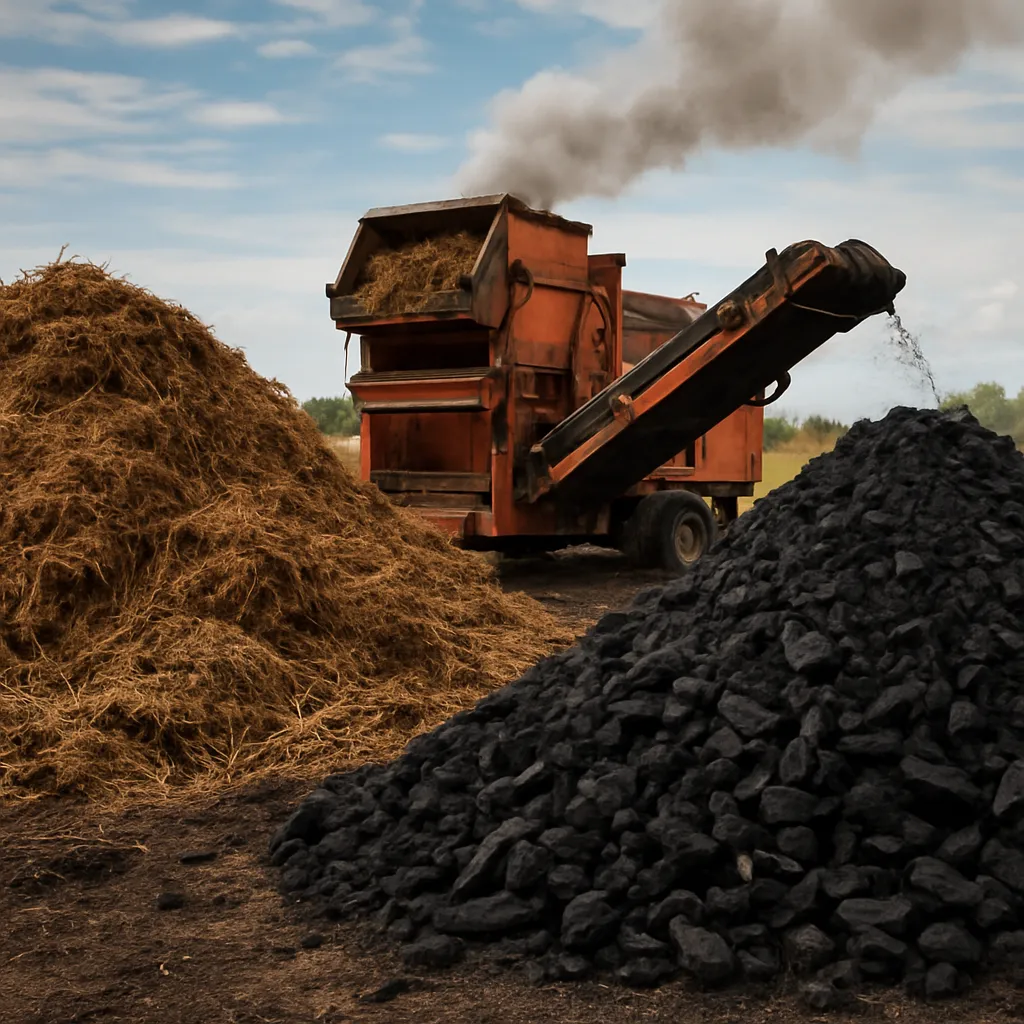
Farmers can convert a wide range of biomass into organic charcoal by applying controlled Pyrolysis, a process of heating organic matter in a low-oxygen environment. This thermochemical method produces solid char, syngas, and bio-oil. The solid fraction, rich in stable carbon, is called biochar and serves as a potent soil amendment. Key feedstocks include:
- Crop stalks and husks (rice, maize, wheat)
- Prunings from orchards and vineyards
- Animal manures and poultry litter
- Processing byproducts (olive pits, nut shells, coffee grounds)
Operating small-scale pyrolysis units on the farm can yield multiple benefits. First, the capture and combustion of syngas provides renewable energy for heating or electricity generation. Second, the biochar produced is relatively free of pathogens and can be safely applied to agricultural soils. Finally, farm-scale conversion reduces transportation costs and lowers the carbon footprint associated with waste disposal.
Designs of On-Farm Pyrolysis Reactors
Several reactor designs are suitable for decentralized biochar production:
- Top-Lit Updraft (TLUD) Gasifiers: Simple, batch-style units that ignite biomass at the top and draw air from below, yielding a clean char product.
- Retort Kilns: Vertical chambers where indirect heating drives off volatiles, capturing syngas for secondary combustion.
- Continuous Feed Systems: Conveyer-type or auger-driven reactors that process biomass steadily, ideal for larger operations.
Optimizing residence time and temperature (350–550 °C) enhances char quality, maximizing the proportion of stable carbon and minimizing ash. Proper design ensures the environmental impact is minimal, with exhaust gases treated to reduce particulate emissions.
Enhancing Soil Fertility and Crop Yields with Organic Charcoal
Once applied to soils, biochar acts as a multifunctional amendment. Its porous texture and high surface area create microhabitats for soil microbes, while its alkaline nature can help neutralize acidic soils. Research demonstrates substantial gains in agricultural productivity across diverse cropping systems.
Mechanisms of Action in Soil
- Water Retention: Pore structures in char hold moisture, decreasing irrigation needs during dry spells.
- Nutrient Retention: Cation exchange capacity (CEC) increases with biochar addition, reducing leaching of nitrogen, phosphorus, and potassium.
- Microbial Habitat: Biochar surfaces colonize beneficial bacteria and mycorrhizal fungi, fostering nutrient cycling.
- pH Moderation: Many chars elevate soil pH, benefitting crops sensitive to acidity.
Case studies report yield increases of 10–30% when combining biochar with conventional fertilizers. In legume cultivation, enhanced rhizobia colonization improves biological nitrogen fixation, thus reducing synthetic fertilizer demands. Vegetable farms using biochar report cleaner produce with higher nutrient densities.
Blended Amendments for Targeted Soil Health
Combining biochar with compost, manure, or mineral fertilizers creates synergistic effects. A recommended approach is to pre-charge char with compost tea or nutrient-rich manure leachate before soil application. This “activated” biochar releases nutrients gradually and buffers potential nutrient immobilization during the early weeks after application.
Environmental and Economic Implications of Biochar Adoption
Beyond agronomic benefits, farm-scale biochar production contributes to climate mitigation and circular economy goals. By sequestering carbon in a stable form, farmers can leverage greenhouse gases reductions to access emerging carbon markets or sustainability certifications.
Climate Change Mitigation
Biochar’s stable carbon remains in the soil for centuries, preventing CO₂ from re-entering the atmosphere. A single ton of biochar can lock away up to 3 tons of CO₂ equivalent when accounting for process emissions and energy co-production. Integrating char into croplands and pastures thus represents a reliable pathway toward national and global carbon targets.
Economic Advantages and Revenue Streams
- Reduced fertilizer and irrigation costs due to improved nutrient and water retention.
- Energy savings by utilizing syngas and bio-oil for on-farm heating.
- Potential income from carbon credits or premium pricing on sustainably produced crops.
- Lower waste disposal fees and reduced environmental compliance costs.
Initial investment in pyrolysis equipment can be offset by long-term savings and new revenue opportunities. Grants, low-interest loans, and collaborative ownership models further reduce financial barriers for small and medium-sized farms.
Implementing Best Practices for Farm-Scale Production
Achieving consistent biochar quality and maximizing its benefits requires attention to feedstock selection, process control, and soil integration strategies.
Feedstock Management
- Ensure biomass is dry (moisture <20%) to minimize energy losses during heating.
- Avoid contaminated or treated wood that may introduce toxins.
- Blend high-nitrogen wastes (manure) with lignocellulosic residues to optimize nutrient balance.
Process Monitoring
- Use thermocouples to track internal reactor temperatures.
- Control air intake to maintain pyrolytic conditions rather than full combustion.
- Capture condensable volatiles with simple condensers to recover bio-oil.
Soil Application Techniques
- Incorporate biochar to a depth of 10–15 cm using tillage or injection methods in no-till systems.
- Apply rates of 5–20 ton/ha based on soil tests, crop requirements, and local recommendations.
- Combine with irrigation or liquid fertilizer schedules for even distribution and activation.
Proper monitoring of soil pH, nutrient levels, and crop performance over successive seasons will help optimize application rates and timing. Engaging with local extension services and agronomy specialists ensures compliance with regulations and leverages region-appropriate guidelines.
Community and Policy Perspectives
Scaling farm waste conversion into biochar can foster rural development and strengthen community resilience. Cooperative biochar facilities serve multiple farms, sharing costs and generating skilled employment. Policy incentives, including carbon offset schemes and renewable energy credits, further bolster adoption.
- Training programs on pyrolysis operation and biochar agronomy
- Standards for biochar quality to guarantee efficacy and safety
- Incentivized research partnerships between universities and producer groups
- Integration into watershed protection, reforestation, and land reclamation projects
By aligning on-farm innovation with broader environmental and economic agendas, stakeholders can accelerate the transition to more sustainable agricultural systems.