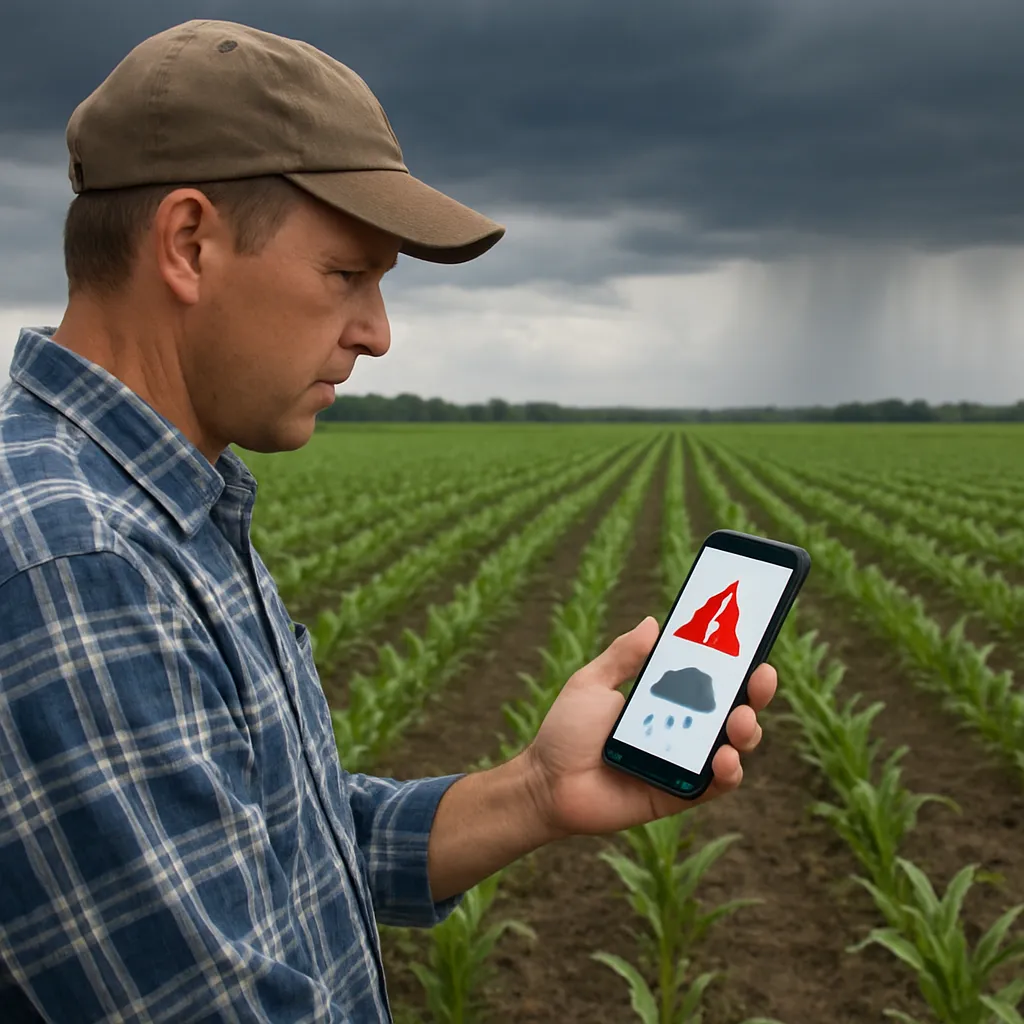
Mobile weather alerts have emerged as a critical tool for modern agriculture, empowering growers with timely warnings to protect crops from extreme events. By leveraging real‐time data streams, advanced forecasting models and user‐friendly platforms, these services help farmers make informed decisions that boost resilience, maximize yield potential and foster long‐term sustainability.
The Importance of Timely Weather Information
Unpredictable weather patterns pose one of the greatest challenges to commercial and small‐scale agriculture alike. Severe storms, unexpected frost events, heavy rainfall and prolonged droughts can devastate planting schedules, reduce harvest quality and undermine economic stability. Accurate, rapid‐fire alerts delivered via mobile devices allow stakeholders to:
- Mitigate frost damage through preemptive irrigation or protective coverings
- Adjust irrigation schedules in response to real‐time rainfall data
- Secure farm infrastructure ahead of strong winds or hail storms
- Optimize pesticide and fertilizer applications around dry spells
- Schedule labor and machinery deployment based on upcoming weather windows
These proactive measures translate into measurable gains in crop safety and operational efficiency. Farmers empowered by trustworthy weather guidance can reallocate resources more strategically and reduce the risk of severe losses during critical growth stages.
Integration of Mobile Alerts in Farm Management
Smartphones and tablets have revolutionized how growers interact with meteorological services. By embedding technology into every day agronomic tasks, alerts become seamlessly integrated into broader decision‐support frameworks. Key components of this integration include:
Real-time Data Collection
- Networked sensor arrays measuring temperature, humidity and soil moisture at high spatial resolution
- Satellite and radar imagery feeding into advanced weather algorithms
- Local crowdsourced observations from a community of growers
- Automatic transmission of anomalies to central servers for rapid processing
These rich data sources ensure that Climate variability is captured continuously, creating a dynamic picture of evolving conditions. The result is a system that predicts hazards with narrower error margins and issues alerts faster than traditional broadcast media.
Decision Support Tools
Beyond raw notifications, mobile platforms often include interactive dashboards and scenario planners. Features may encompass:
- Customizable alert thresholds for temperature extremes or wind speed
- Crop‐specific risk assessments integrating phenological models
- Multi‐location monitoring for growers managing dispersed fields
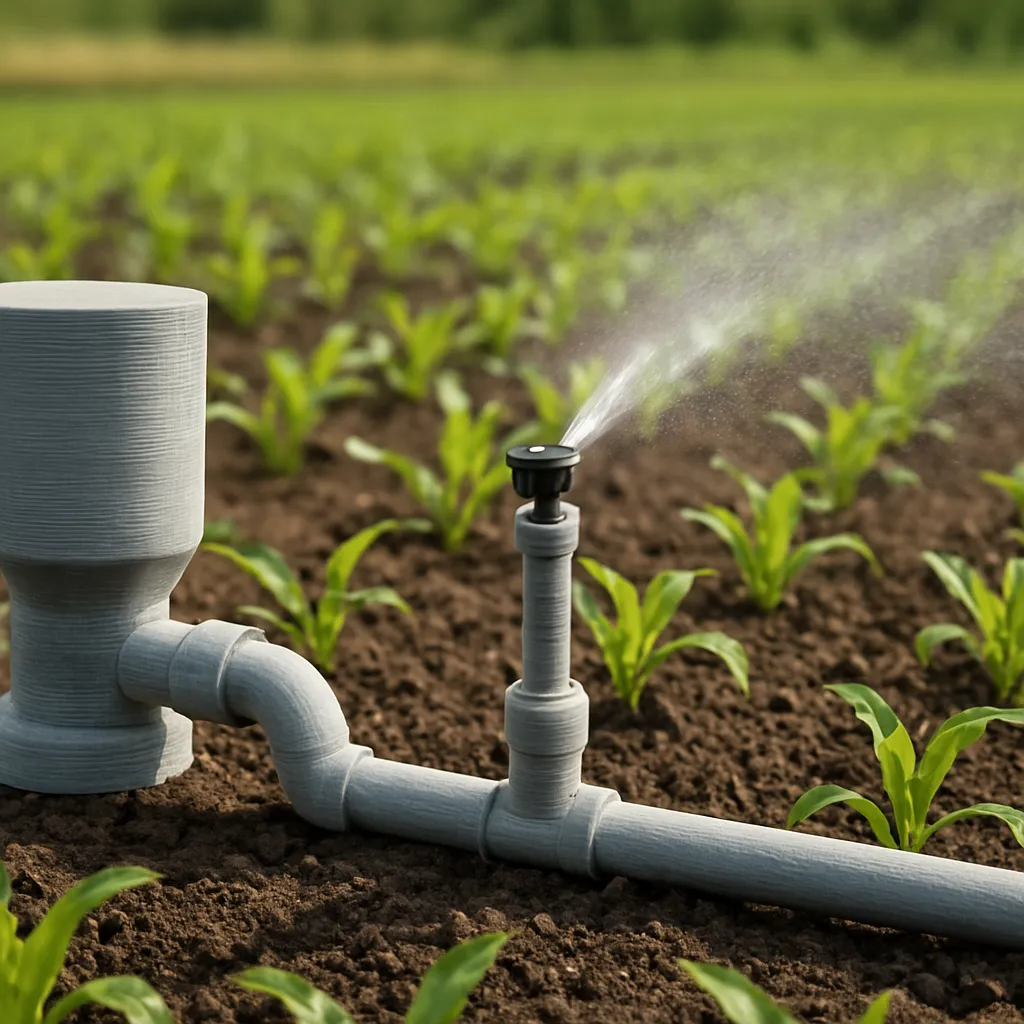
- Integration with automated irrigation, greenhouse controls or variable‐rate application equipment
By automating repetitive tasks and translating meteorological insights into actionable steps, growers gain valuable time to analyze long‐term strategies rather than firefighting daily surprises.
Advancements in Alert Delivery and User Interfaces
Recent years have seen significant enhancements in both the underlying infrastructure and the user experience. Modern alerting systems are designed with the following innovations:
- Push notifications on smartphone apps offering vibration, audible signals and color‐coded severity levels
- Multi‐language support to serve diverse rural communities
- Offline caching of critical alert parameters for areas with limited connectivity
- Integration with wearable devices and smart speakers to expand reach across farm teams
Advanced interfaces incorporate geofencing capabilities, so alerts trigger only when key assets or field zones face imminent threats. This targeted approach prevents alert fatigue, ensuring recipients remain attentive when genuine high‐risk events approach.
Challenges and Opportunities for Future Growth
While mobile weather alerts have transformed risk management, continuous improvement is essential. Ongoing challenges include:
- Maintaining high data quality in remote or infrastructure‐poor regions
- Balancing alert frequency to prevent overnotification without missing critical events
- Ensuring affordability for smallholder operations to bridge the digital divide
- Integrating machine learning models that adapt to changing climate trends and regional microclimates
Emerging opportunities point toward fully automated farm systems where alerts trigger adaptive responses without human intervention. Closed‐loop platforms could:
- Activate frost protection sprinklers minutes before temperature dips
- Deploy drone surveillance to assess storm damage and prioritize recovery
- Optimize nutrient delivery via real‐time soil condition feedback
- Aggregate anonymized user feedback to refine forecasting accuracy for all subscribers
Embracing these innovations will deepen the synergy between on‐farm adaptation strategies and advanced meteorology, laying the groundwork for resilient, productive landscapes. As the global climate continues to shift, the fusion of robust weather intelligence and precision agriculture will prove indispensable in safeguarding food security and farm livelihoods.