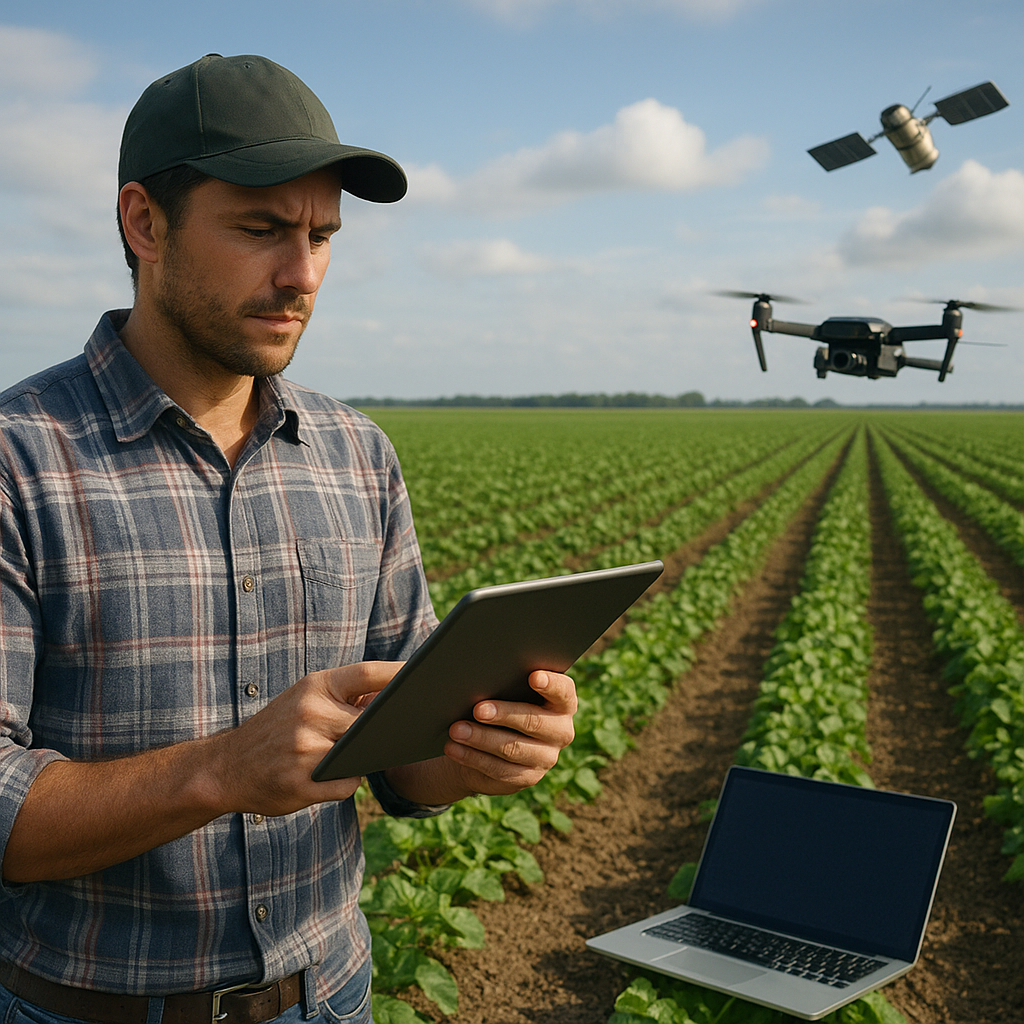
Precision pastures have revolutionized the way farmers and ranchers approach grazing management, combining advanced technologies with traditional agricultural practices. By leveraging cutting-edge tools, producers can enhance productivity, improve environmental stewardship, and ensure sustainable livestock production. This article explores the essential instruments and strategies that define precision pasture management, highlighting innovations that empower modern agriculture.
Enhancing Pasture Monitoring with Modern Technologies
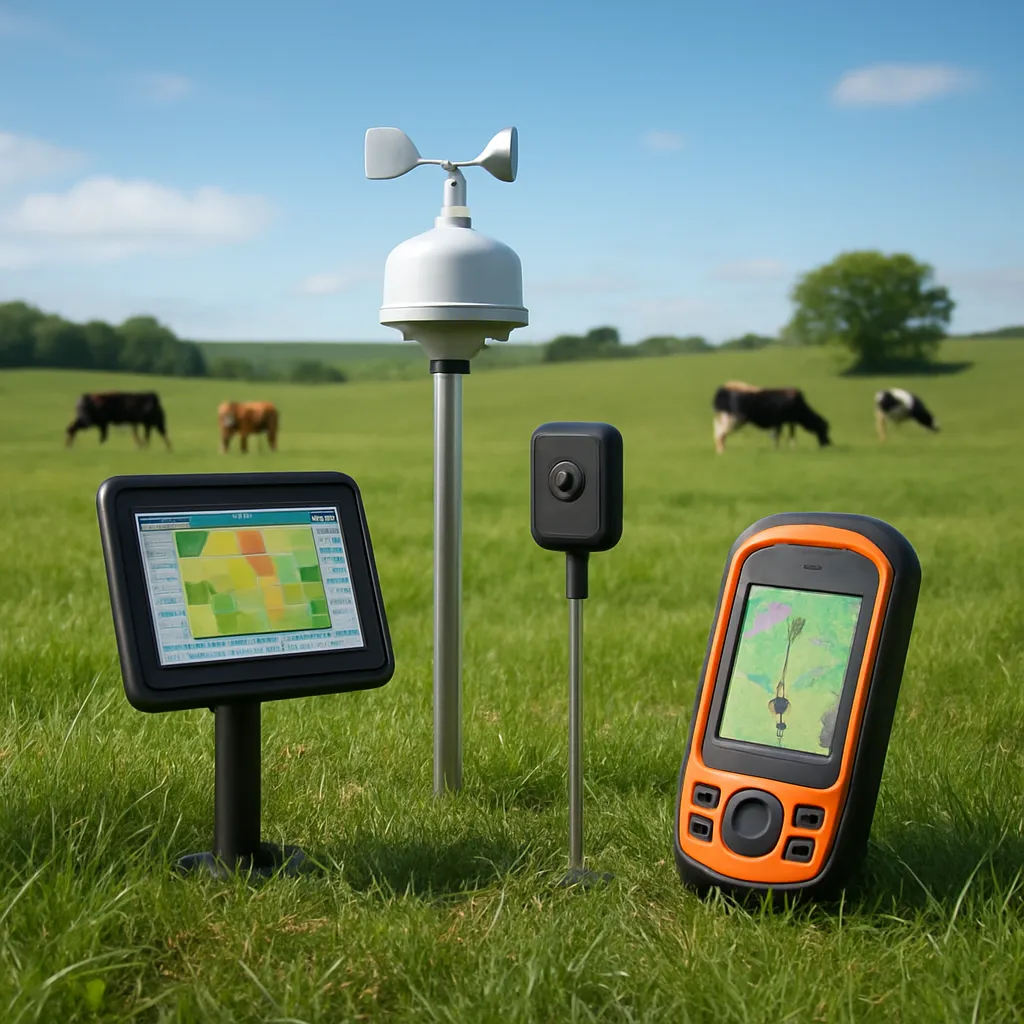
Effective pasture management begins with thorough observation. Historically, farmers would rely on visual assessments and manual measurements to gauge vegetation health. Today, the integration of GPS positioning and satellite imagery has transformed this process into a data-driven science. By collecting georeferenced data, producers gain detailed insights into pasture variability, allowing them to target interventions with unprecedented accuracy.
Remote Sensing and NDVI Mapping
Normalized Difference Vegetation Index (NDVI) maps derived from satellite or drone images provide a color-coded representation of plant vigor across grazing areas. This information can be overlaid on field boundaries, enabling the identification of underutilized zones, overgrazed patches, and areas at risk of erosion. Routine NDVI monitoring contributes to proactive decision-making and helps maintain balanced forage availability.
Real-Time Monitoring with IoT Sensors
- Sensors embedded in fences and gates can track animal movement and grazing patterns.
- Soil moisture probes communicate via wireless networks, reporting on hydration levels critical for forage growth.
- Weather stations placed within pastures record temperature, humidity, and rainfall intensity, feeding into predictive growth models.
These sensors facilitate real-time monitoring, alerting managers to changes that might affect productivity. For instance, a sudden drop in soil moisture levels can trigger automated irrigation systems or guide rotational grazing plans to rest stressed sections of the pasture.
Advanced Soil and Forage Analysis Tools
Beyond surface observations, understanding the soil-forage continuum is crucial. Innovations in nutrient analysis and soil health diagnostics provide actionable data that ensure optimal growth and forage conversion.
On-Site Soil Testing Devices
Portable soil analyzers now offer rapid measurement of pH, macronutrients (nitrogen, phosphorus, potassium), and organic matter content. Farmers can perform tests at multiple points across a field within minutes, generating spatially referenced soil fertility maps. This localized approach helps avoid blanket fertilization, reducing costs and environmental impact.
Forage Quality Assessment Technologies
Certain handheld near-infrared spectroscopy (NIRS) tools allow producers to evaluate forage quality on the spot. By analyzing protein, fiber, and moisture content, NIRS devices inform livestock nutrition plans, ensuring animals receive the precise balance required for weight gain, milk production, or breeding readiness. Integrating these readings with feed management software further refines ration formulas, minimizing waste and maximizing feed efficiency.
Integrating Data for Optimized Grazing Strategies
The true power of precision pasture management lies in data integration. By consolidating information from multiple sources—remote sensing platforms, soil sensors, forage analyzers, and animal trackers—managers can craft holistic grazing strategies suited to both land and livestock.
Grazing Software Platforms
Cloud-based applications collect and visualize field data in customizable dashboards. Key modules often include:
- Pasture growth predictions based on weather forecasts and historical yield data.
- Animal performance tracking, linking weight gain or milk yield to grazing zones.
- Resource allocation tools that schedule fence relocations, water source rotations, and rest periods.
By simulating different grazing scenarios, producers can identify the most efficient sequence of moves, ensuring each paddock receives adequate recovery time and preventing overgrazing.
Automated Watering and Supplement Systems
Manual delivery of water and mineral supplements can become labor-intensive on large operations. Today’s automated systems monitor livestock hydration and supplement uptake, dispensing the required amounts based on group or individual animal needs. Connected to the central data platform, these systems adapt schedules in response to environmental stressors such as heat waves or drought conditions, safeguarding livestock health and performance.
Future Trends in Technology-Driven Pasture Management
Emerging technologies promise to push the boundaries of pasture management even further. The convergence of robotics, artificial intelligence, and advanced analytics will enable farms to operate with even greater precision and minimal human intervention.
Autonomous Grazing Robots
Robotic herders equipped with cameras and GPS guidance may soon handle daily herding tasks, distributing animals across pasture sections according to growth rates and nutritional needs. These machines could also perform routine maintenance—such as fence repairs, weed control, and soil compaction alleviation—reducing labor demands and improving overall field health.
Machine Learning for Predictive Insight
By applying data analytics and machine learning algorithms to historical and real-time data streams, management platforms will generate increasingly accurate growth forecasts, pest and disease outbreak warnings, and nutrient application recommendations. Continuous model refinement ensures that each season’s strategy is informed by the latest environmental trends and production outcomes.
Sustainability and Carbon Sequestration Monitoring
Advancements in remote measurement of carbon content will allow producers to document soil carbon sequestration rates under different grazing regimes. Integrating these measurements with sustainability certification programs can open new revenue streams, rewarding farmers who implement carbon-friendly practices.
Implementing Precision Tools on Your Farm
Adoption of high-tech pasture management begins with assessing farm size, budget, and specific goals. Smaller operations may prioritize handheld devices and simple sensor networks, while larger ranches stand to benefit from full-scale IoT deployments and sophisticated analytical platforms. Regardless of scale, key steps include:
- Mapping grazing units with GPS to define manageable sections.
- Establishing baseline measurements for soil health and forage biomass.
- Selecting compatible hardware and software solutions that scale with future needs.
- Training staff on data interpretation and maintenance of equipment.
By starting with essential tools and gradually incorporating more advanced systems, producers can achieve continuous improvement in pasture productivity and animal well-being.
Embracing precision pasture management transforms grazing from an art into a science. With accurate data, adaptive planning, and state-of-the-art instruments, modern agriculture can meet growing food demands while preserving the health of grasslands and supporting the welfare of livestock.