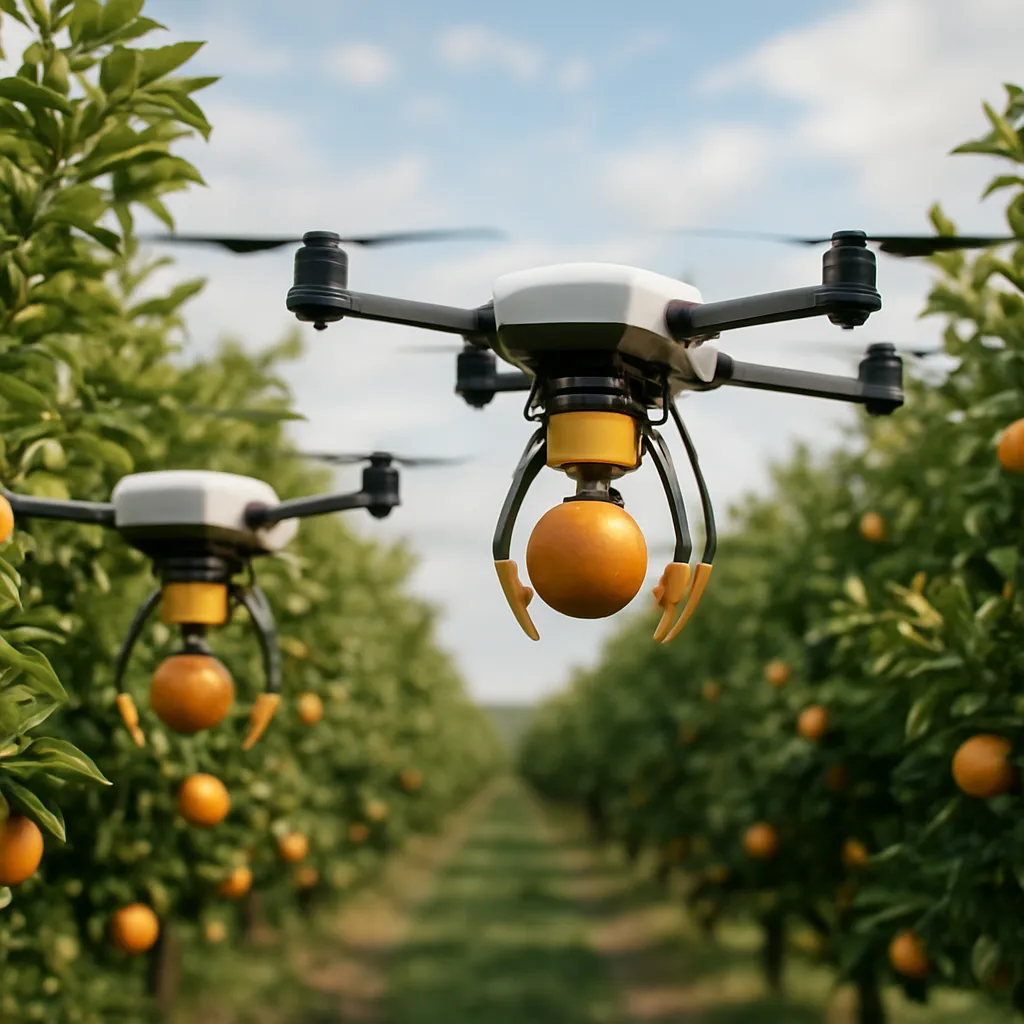
Agriculture is undergoing a transformative shift as cutting-edge machines take root in fields and orchards around the world. Autonomous fruit-picking drones are redefining how crops are gathered, enabling farmers to optimize every stage of the process. By combining advanced flight control, computer vision and delicate gripping mechanisms, these unmanned aerial vehicles tackle labor shortages and deliver unprecedented efficiency. This article explores the core aspects of this disruptive technology, detailing its design, benefits and the hurdles still to be overcome.
The Rise of Robotics in agriculture
The concept of using autonomous flying robots emerged from the need to streamline time-consuming manual tasks on farms. Traditional harvesting relies on seasonal labor, which can be costly and inconsistent. Enter aerial machines equipped with intelligent systems that can navigate complex orchard layouts and identify ripe produce. Early prototypes tackled precision applications such as spraying and mapping, but it soon became clear that equipping drones with fruit-picking attachments held enormous potential.
Several factors drove rapid innovation:
- Advances in sensor miniaturization and battery technology
- Breakthroughs in machine learning for object recognition
- Demand for higher yield and reduced waste
- Growing emphasis on sustainability and resource management
Combined, these developments created an ideal environment for research teams, agribusinesses and startups to collaborate on end-to-end solutions that can operate in varied climates and crop types.
Cutting-Edge Technology and Design
Modern fruit-picking drones integrate an array of subsystems working in harmony to deliver reliable performance:
- Computer Vision Units: High-resolution cameras and thermal sensors help detect color, shape and temperature differences, allowing drones to distinguish ripe fruit from foliage.
- Machine Learning Algorithms: Deep neural networks trained on vast image datasets enable real-time decision-making, ensuring only mature produce is targeted.
- Adaptive Grippers: Soft robotic arms fitted with gentle end-effectors adjust grip strength dynamically to avoid bruising delicate fruit surfaces.
- Flight Control and Navigation: GPS, LiDAR and visual odometry work in concert to maintain stable flight, avoid obstacles and follow predefined flight paths between trees.
- Energy Management Systems: Efficient battery packs combined with solar recharging capabilities extend operational time, reducing downtime between sorties.
Furthermore, engineers have emphasized modularity in design. Swappable toolheads allow a single drone chassis to perform multiple tasks throughout the growing season, from pruning to monitoring plant health.
Benefits for Farmers and the Environment
Implementing fruit-picking drones offers measurable advantages across several domains:
- Labor Savings: Automated systems offset labor shortages, particularly during peak harvest windows when demand for human pickers often outstrips supply.
- Increased Precision: Granular control over each pick reduces damage to both fruit and plants, ensuring higher market quality and minimizing postharvest losses.
- Improved Yield Forecasting: Real-time data collection capabilities allow farmers to anticipate crop volumes and adjust logistics accordingly.
- Cost-Effective Operations: While initial capital outlay may be significant, long-term operational expenses drop when fleet management and maintenance are optimized.
- Environmental Conservation: Precise targeting of tasks reduces the need for broad-spectrum pesticides and fertilizers, supporting integrated pest management strategies and promoting healthier ecosystems.
On a broader scale, these systems contribute to global food security by maximizing the efficiency of arable land and reducing waste. The transparent data they collect also empowers farmers to make evidence-based decisions, further enhancing profitability and resilience.
Challenges and Future Directions
Despite impressive progress, fruit-picking drones still face several obstacles before widespread adoption becomes feasible:
- Regulatory Hurdles: Airspace regulations vary by country, and securing permissions for routine agricultural flights can be complex and time-consuming.
- Weather Sensitivity: High winds, rain and extreme temperatures can limit flight windows, necessitating robust hardware and adaptive scheduling algorithms.
- Cost Barriers: Smallholders may struggle with initial investment, highlighting the need for leasing models or cooperative ownership structures.
- Technical Limitations: Continuous improvements are required in battery life, payload capacity and obstacle avoidance to support large-scale operations.
- Data Security and Privacy: As farms become increasingly digitized, safeguarding sensitive yield data from unauthorized access will be crucial.
Looking ahead, several promising avenues will shape the next generation of autonomous fruit-picking systems:
- Integration with ground-based robots for hybrid harvesting strategies
- Advanced swarm coordination, enabling multiple drones to work collaboratively on a single orchard
- Enhanced AI-driven predictive analytics to optimize harvest schedules in real time
- Development of lightweight, biodegradable materials for disposable grippers, reducing environmental impact
- Expanded crop compatibility, extending beyond apples and berries to more delicate fruits and vegetables
By addressing these challenges through continued innovation and strategic partnerships, the agricultural sector can fully harness the transformative power of robotics and fruit-picking drones, ushering in a new era of productivity and sustainability.