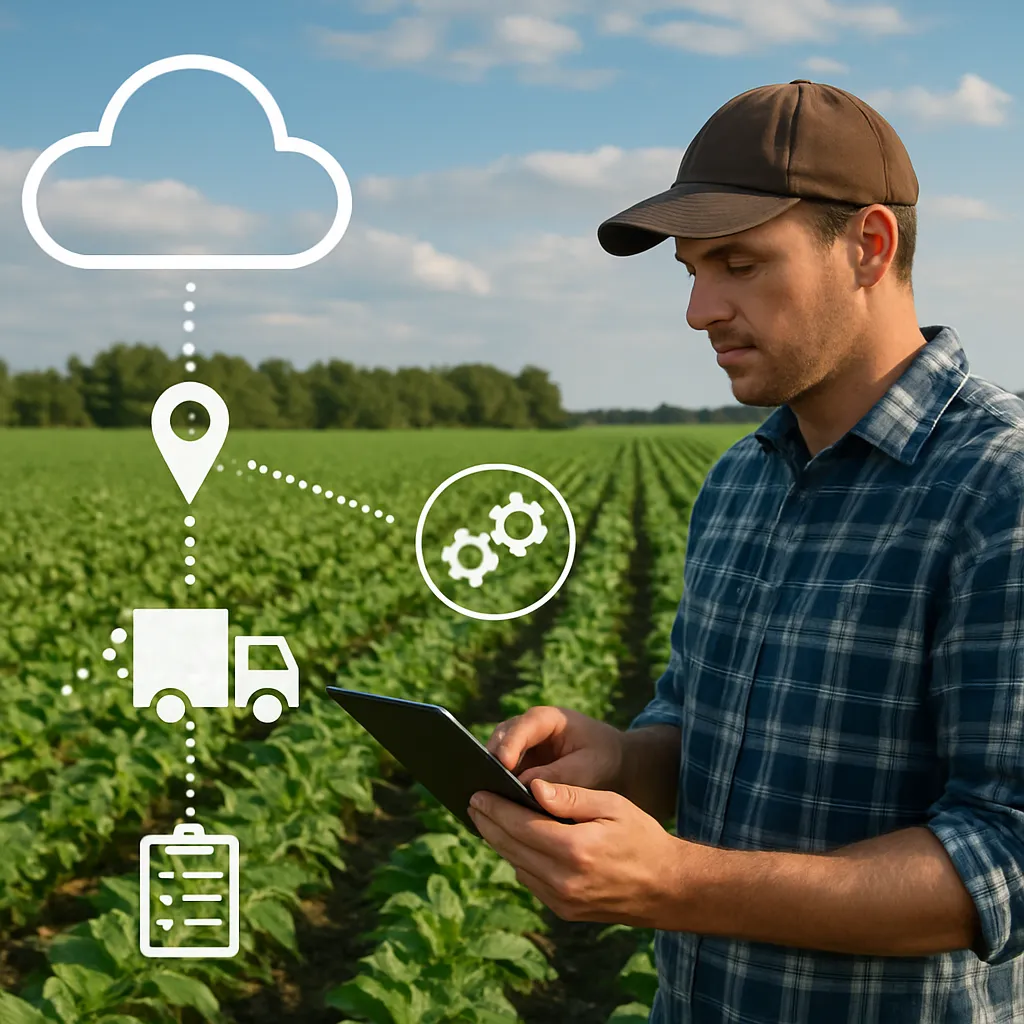
The integration of cloud-based supply chain tracking systems has revolutionized modern agriculture, offering unparalleled traceability and operational efficiency. By leveraging advanced digital platforms, farmers, distributors, and retailers can access a centralized database to monitor each stage of crop production, processing, and distribution. This article delves into the key aspects of implementing a cloud-driven supply chain solution for agricultural stakeholders, exploring its benefits, technical components, and practical challenges.
Benefits of Cloud-Based Tracking
Adopting a cloud-centric approach in agricultural logistics brings multiple advantages:
- Real-time Visibility: Stakeholders can instantly view the location and status of goods, enabling prompt decision-making and reducing spoilage.
- Scalability: Cloud platforms can easily accommodate fluctuations in data volume, whether a small farm or a multinational agribusiness.
- Transparency: End-to-end data access builds trust among producers and consumers by revealing sourcing, handling, and storage conditions.
- Cost Reduction: Eliminating on-premises hardware and maintenance lowers capital expenditure, shifting to a more predictable operational expense model.
- Sustainability: Optimized routing and inventory management decrease fuel consumption and waste, supporting eco-friendly agricultural practices.
Key Components of a Cloud-Based Supply Chain System
A robust solution involves several integrated modules:
- Data Acquisition Layer: Sensors, IoT devices, and RFID tags installed on fields, storage units, and transport vehicles collect environmental metrics (temperature, humidity, GPS coordinates).
- Connectivity Infrastructure: Reliable cellular, satellite, or LPWAN networks ensure uninterrupted transmission of sensor readings to the cloud.
- Data Storage and Processing: Scalable database services (SQL/NoSQL) and data lakes aggregate incoming streams, enabling batch and streaming analytics.
- Analytics Engine: Machine learning models forecast demand, predict crop yields, and identify anomalies (e.g., temperature spikes) to trigger alerts.
- User Interface: Web and mobile dashboards present actionable insights via charts, heatmaps, and geo-visualization, allowing users to customize alerts.
- Integration APIs: RESTful or GraphQL endpoints connect the supply chain platform with ERP, WMS, and other third-party tools for seamless data exchange.
Implementing IoT and Data Analytics
Sensor-driven data collection and advanced analytics form the backbone of a modern agricultural supply chain:
IoT Deployment Strategies
- Field-Level Monitoring: Soil moisture sensors and weather stations feed data to the cloud to optimize irrigation schedules and fertilization timing.
- Cold Chain Management: Temperature and humidity loggers placed inside refrigerated containers ensure produce remains within safe thresholds during transport.
- Livestock Tracking: GPS collars and biosensors send vital signs (heart rate, activity levels) to the cloud, improving herd health management.
Advanced Data Analytics
- Predictive Maintenance: Algorithms analyze equipment vibration and performance metrics to preempt tractor or harvester failures, reducing downtime.
- Demand Forecasting: Time-series analysis and external factors (weather, market trends) help estimate future requirements, minimizing overproduction.
- Quality Control: Computer vision systems inspect fruit ripeness, size, and surface defects, flagging non-compliant batches before shipment.
Securing the Cloud Supply Chain
Security is paramount when sensitive agricultural data travels across networks and resides in shared infrastructures:
- Encryption: Data must be encrypted in transit (TLS/SSL) and at rest (AES-256) to protect against interception and unauthorized access.
- Identity and Access Management (IAM): Role-based permissions, multi-factor authentication, and federated identity solutions ensure only authorized personnel can view or modify records.
- Immutable Ledgers: Incorporating blockchain technology can create tamper-evident logs of transactions, from seed procurement to retail sale.
- Regular Audits and Compliance: Aligning with standards such as ISO 22000 (food safety management) and GDPR (data protection) fosters customer confidence and legal adherence.
Overcoming Implementation Challenges
Transitioning to a cloud-based model encounters some hurdles in the agricultural context:
- Connectivity Gaps in Rural Areas: Remote locations may lack stable internet, necessitating offline-capable gateways or satellite comms.
- Initial Investment: Although operational costs drop, upfront expenses for IoT devices, network setup, and training can strain smallholder budgets.
- Data Integration Complexity: Consolidating legacy spreadsheets, on-farm software, and third-party systems demands careful ETL (extract-transform-load) planning.
- Change Management: Farmers and workers accustomed to manual logs require clear training programs to adopt digital workflows without resistance.
Case Study: Precision Agriculture Supply Chain
A mid-sized vegetable exporter implemented a cloud-based tracking platform to enhance its supply chain:
- Problem: High spoilage rates due to unmonitored temperature fluctuations during transit.
- Solution: Installation of IoT-enabled cold chain sensors linked to a cloud analytics dashboard.
- Outcome: 40% reduction in product losses, 25% lower logistic costs, and improved customer satisfaction from guaranteed freshness.
Future Trends in Agricultural Supply Chains
Emerging technologies will further reshape how farm products travel from field to table:
- Edge Computing: Performing preliminary analytics on-device reduces latency and bandwidth requirements for rural operations.
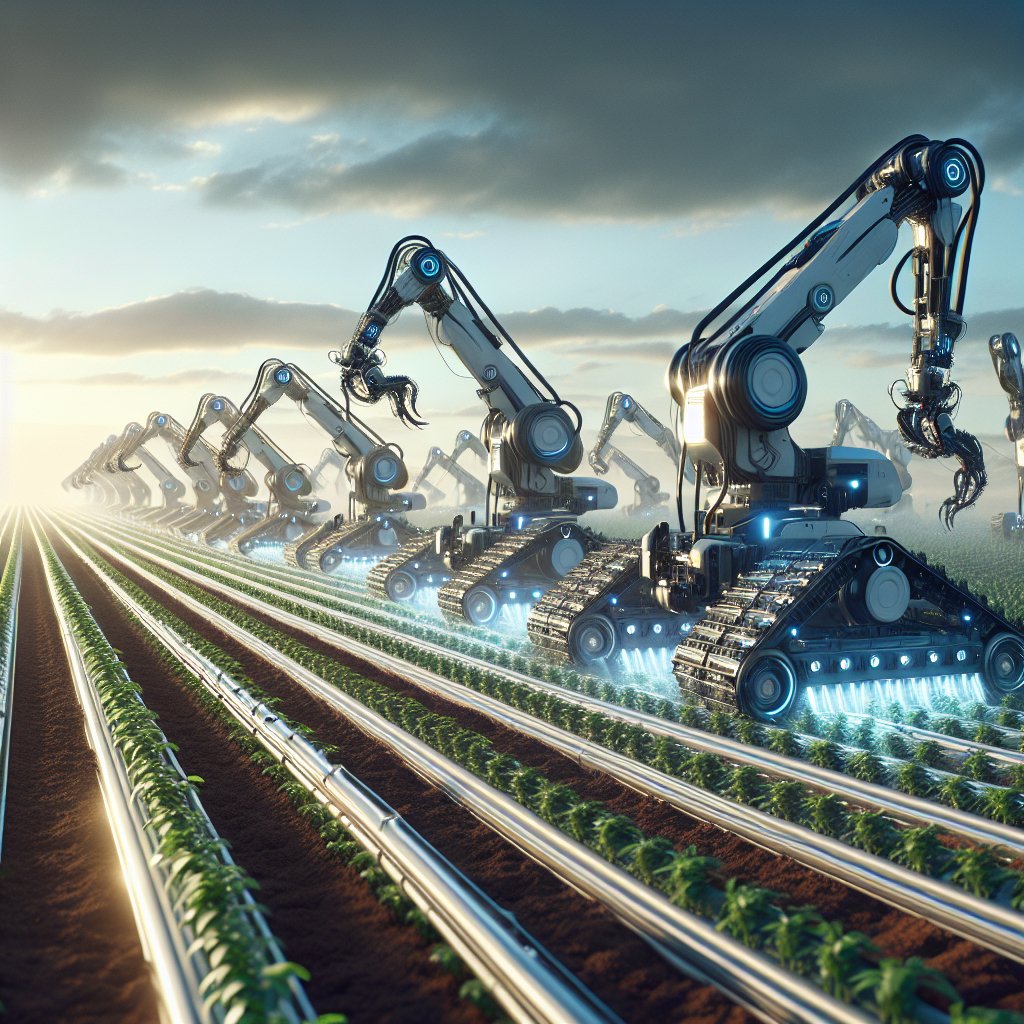
- AI-Driven Autonomous Logistics: Driverless tractors and drones for last-mile deliveries promise faster, resilience-oriented supply chains.
- Digital Twins: Virtual replicas of farm assets simulate “what-if” scenarios, optimizing resource allocation before real-world deployment.
- Collaborative Marketplaces: Blockchain-backed platforms will enable peer-to-peer trading, fostering local economies and reducing intermediaries.