Water contamination from agricultural activities poses risks to ecosystems, public health, and long-term sustainability of farming systems. This article explores methods to treat runoff rich in fertilizers and sediments using both natural and engineered solutions. Stakeholders in the agricultural sector can leverage a combination of best practices, emerging technologies, and policy frameworks to reduce the burden of nutrient pollution on waterways.
Causes and Challenges of Agricultural Runoff
Runoff from cropland and pasture often carries elevated levels of phosphorus and nitrogen, originating from excessive fertilizer applications, manure storage facilities, and soil erosion. In regions with heavy rainfall or intensive irrigation, overland flow transports dissolved and particulate nutrients into rivers and lakes, leading to algal blooms, oxygen depletion, and disruptions in aquatic food webs. The complexity of watershed hydrology complicates mitigation, as subsurface drain tiles, variable soil textures, and channel connectivity all influence the volume and quality of runoff.
Key challenges include:
- Nonpoint source variability: Nutrient loads differ seasonally and spatially, making monitoring and management difficult.
- Legacy phosphorus: Historical accumulation in soils can continue to leach long after fertilizer applications cease.
- Cost constraints: Small-scale farmers may lack capital to invest in treatment systems or landscape modifications.
Natural and Engineered Filtration Systems
Filtration strategies for agricultural runoff span a spectrum from low-tech vegetative buffers to advanced membrane technologies. Designers must balance removal efficiency, implementation cost, and maintenance requirements to suit farm sizes and cropping systems.
Vegetative Buffers and Riparian Zones
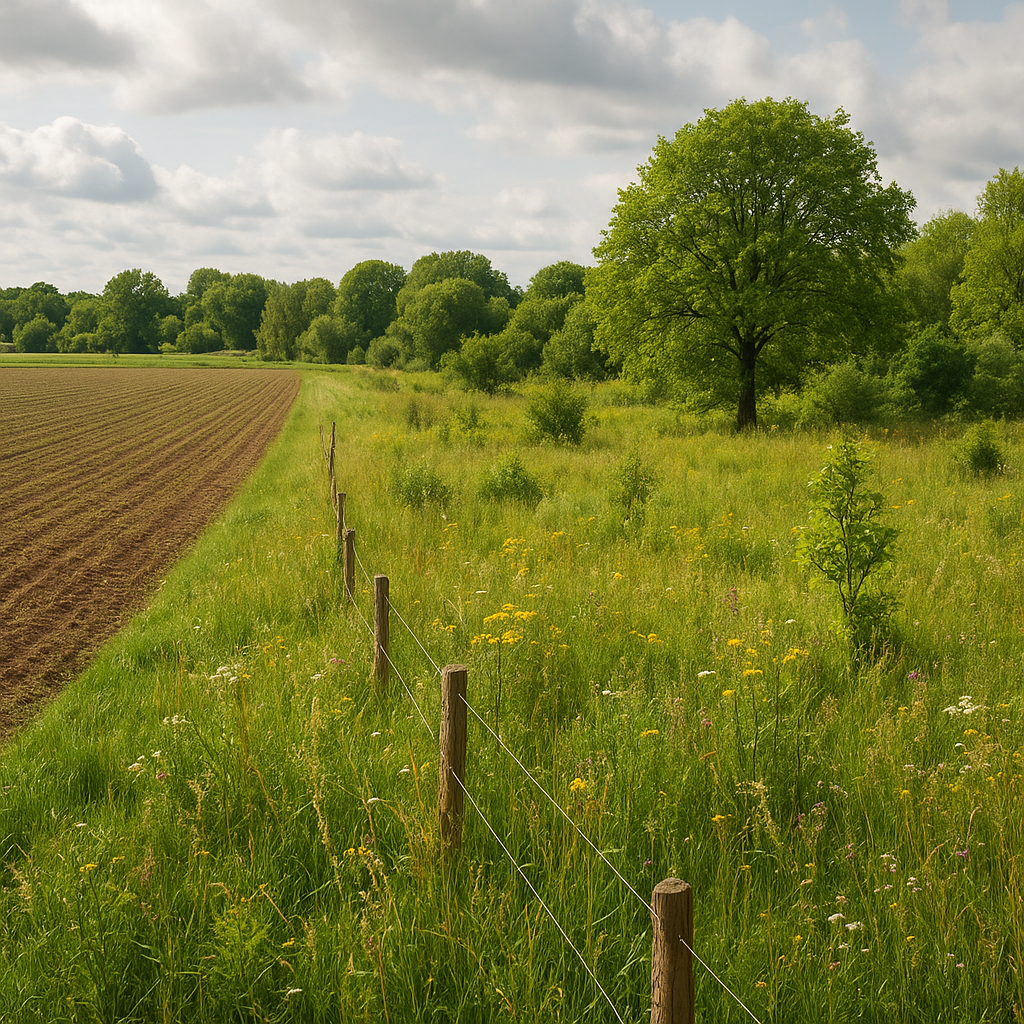
Establishing riparian buffers of native grasses, shrubs, and trees along streambanks slows runoff velocities, promotes sediment deposition, and enhances nutrient uptake by plant roots. These vegetated corridors also provide habitat for wildlife, stabilize banks, and contribute to overall watershed resilience. Optimal buffer widths range from 5 to 30 meters, depending on slope and soil characteristics.
Constructed Wetlands and Bioretention Cells
Engineered wetlands mimic natural marsh ecosystems to remove contaminants through sedimentation, microbial processes, and plant assimilation. A typical system comprises sequential cells where water flows through shallow pools planted with emergent species. The combination of physical settling and biological uptake can achieve high removal rates for total suspended solids and dissolved nutrients. Similarly, bioretention cells—shallow depressions filled with engineered soil mix and vegetation—capture runoff and allow gradual infiltration, reducing peak flows and filtering pollutants.
- Constructed wetland removal: up to 70% of nitrogen and 80% of phosphorus.
- Bioretention infiltration rates: 50–150 mm/hour, depending on soil mix.
- Maintenance: periodic sediment removal and vegetation management.
Innovative Technologies for Water Purification
Recent advances have introduced permeable surfaces, modular reactor systems, and bioelectrochemical filters tailored to agricultural settings.
Permeable Pavements and Infiltration Trenches
Permeable pavements, constructed with porous concrete or interlocking pavers, enable direct infiltration of runoff from farmyards and equipment yards. Beneath the surface, aggregate layers act as a coarse filter, trapping sediments and adsorbing nutrients. Adjacent infiltration trenches can be installed to intercept lateral flow, further enhancing treatment capacity.
Advanced Membrane Bioreactors
Membrane bioreactors combine biological degradation with ultrafiltration membranes to achieve near-complete removal of suspended solids and pathogens. While traditionally applied in municipal wastewater treatment, pilot projects on livestock effluents demonstrate that membrane systems can handle variable organic loads and produce effluent suitable for reuse in irrigation.
Biochar and Adsorptive Media Columns
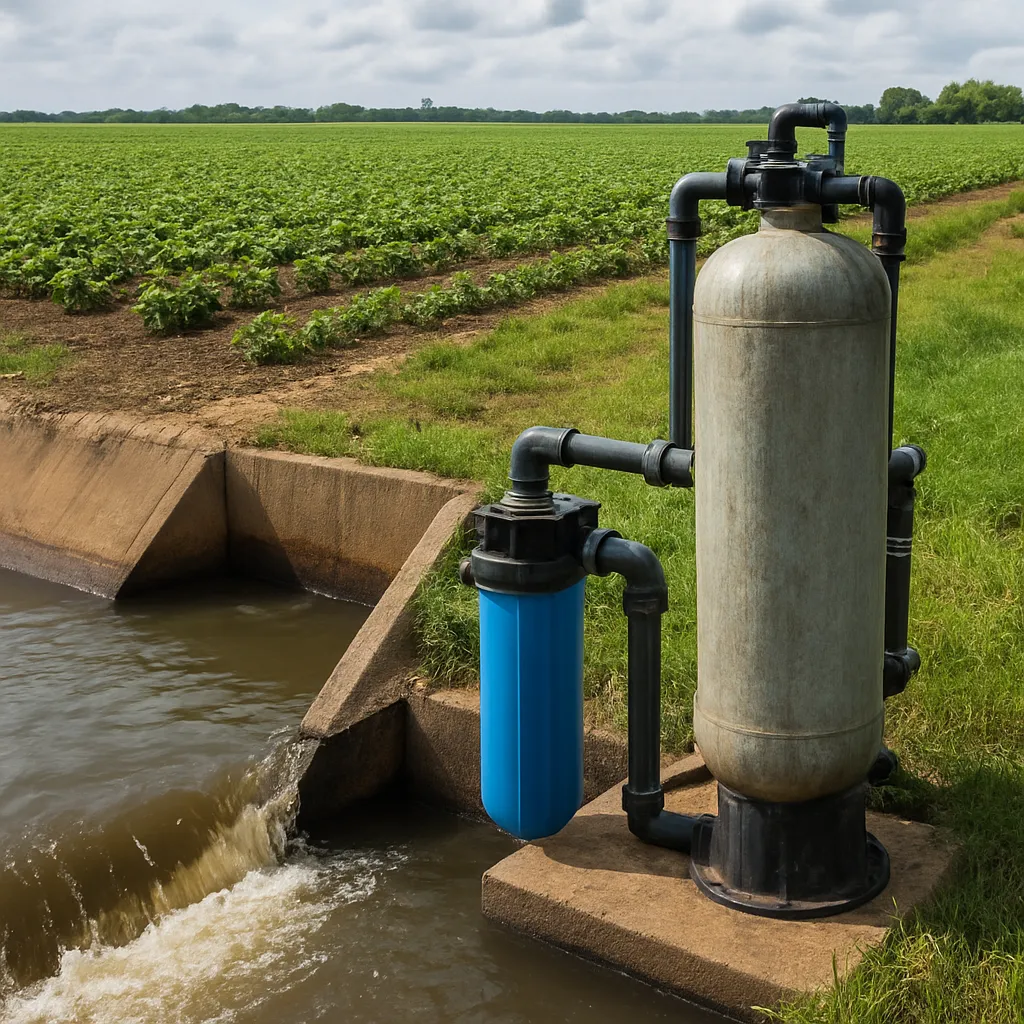
Biochar, a carbon-rich byproduct of biomass pyrolysis, exhibits high surface area and strong sorption affinity for phosphorus and certain pesticides. Packed-bed columns filled with biochar or engineered media—such as zeolites or iron-coated sands—can be integrated into drainage outlets to passively remove dissolved contaminants. These systems require periodic media replacement or regeneration but offer a low-energy treatment solution.
Implementation Strategies and Best Practices
Effective water filtration in agriculture hinges on integrating multiple practices across the landscape. A watershed-scale approach ensures cumulative benefits and cost-effectiveness.
- Targeted placement of buffers and treatment cells in high-priority subwatersheds identified through GIS analysis.
- Use of cover crops and reduced tillage to minimize soil loss, complementing downstream filtration structures.
- Regular monitoring of inflows and outflows to assess filtration efficiency and adapt maintenance schedules.
- Engagement of farmers in decision-making and subsidy programs to offset capital costs and encourage adoption.
Integrating the Circular Economy
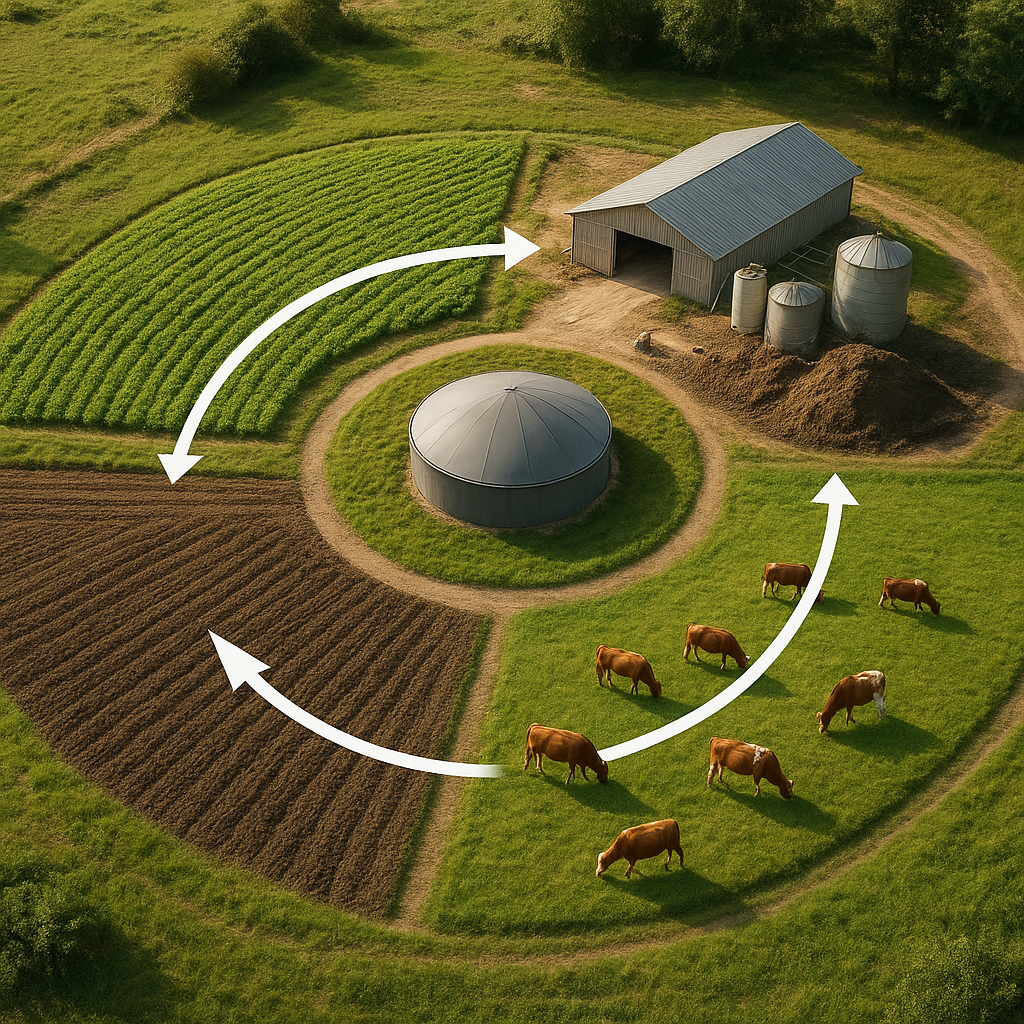
Valorizing captured nutrients aligns with circular economy principles. Harvested biomass from constructed wetlands can be composted or processed for biogas production, returning nutrients to fields in stabilized forms. Sediment traps can recover soil particles for on-farm reuse, reducing the need for fresh topsoil or external amendments.
Policy and Incentive Frameworks
Government programs and agrienvironment schemes play a crucial role in scaling up filtration solutions. Cost-share incentives, technical assistance, and performance-based grants encourage farmers to implement and maintain buffer strips, wetland restorations, and cutting-edge treatment technologies. Clear guidelines on design criteria, monitoring protocols, and long-term stewardship responsibilities foster trust and accountability.
Future Directions in Agricultural Water Management
Emerging research focuses on real-time monitoring sensors, predictive modeling, and precision application of agrochemicals to preempt runoff events. Integration of remote sensing and drone surveys enables rapid identification of erosion hotspots and system inefficiencies. As we refine our understanding of microbial communities and biogeochemical cycles, novel bioreactors and living filters will enhance nutrient removal while promoting soil health. Cross-sector collaboration among engineers, agronomists, and policymakers will be pivotal in safeguarding water resources for generations to come.