Edible insect farming has emerged as a transformative approach within modern agriculture, offering a high-efficiency method to produce protein and other valuable nutrients. By integrating insects into farming systems, producers can address pressing global challenges such as population growth, food security, and environmental degradation. This article explores the multifaceted dimensions of insect farming—from its historical roots and farming techniques to its nutritional profile, environmental advantages, and future prospects.
Background and Rationale
Throughout human history, various cultures have practiced entomophagy, the consumption of insects. In regions across Asia, Africa, and Latin America, insects have been a traditional food source for centuries. Today, rising demand for sustainable protein has reinvigorated interest in insects as a mainstream component of global food systems.
Historical Context of Insect Consumption
- Traditional entomophagy in indigenous communities
- Use of insects during periods of food scarcity
- Early European scientific observations and trade reports
Drivers of Modern Interest
- Projected global population surpassing 9 billion by 2050
- Environmental footprints of conventional livestock farming
- Regulatory encouragement and consumer curiosity
Farming Practices and Technologies
Successful insect farming hinges on optimized rearing environments, precise feed formulations, and automation. Different insect species offer unique advantages and challenges in mass production.
Choice of Species
- Crickets (Acheta domesticus): high protein yield and palatability
- Black soldier fly larvae (Hermetia illucens): efficient bioconversion of organic waste
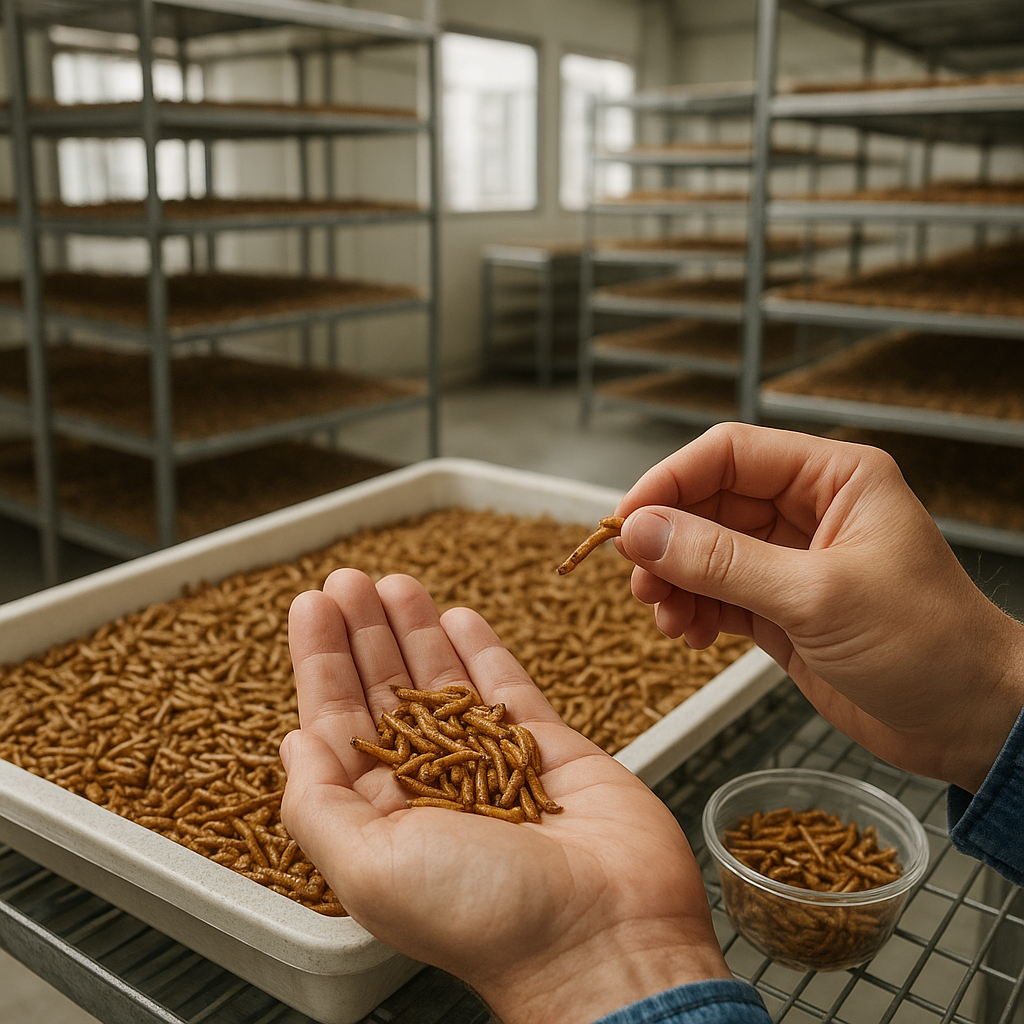
- Mealworms (Tenebrio molitor): adaptable to vertical farming
Rearing Systems
- Controlled-environment chambers for temperature and humidity regulation
- Automation of feeding, substrate mixing, and harvest processes
- Integration with agricultural byproducts as insect feed
Innovative Technologies
- Machine vision for population monitoring and health assessment
- Smart sensors tracking microclimate variables in real time
- Modular vertical racks enabling scalable, space-efficient production
Nutritional Profile and Health Benefits
Insects present a compelling nutritional package. Their biomass is rich in essential amino acids, fatty acids, vitamins, and minerals—attributes that position them as competitive alternatives to conventional animal proteins.
Macronutrients
- Protein content ranging from 35% to 65% (dry weight)
- Healthful lipids: high levels of unsaturated fatty acids
- Dietary fiber in the form of chitin, promoting gut health
Micronutrients
- Rich sources of iron, zinc, and calcium
- Vitamins B2, B12, and D contributing to metabolic and bone health
Potential Functional Benefits
- Immunomodulatory properties of insect-derived peptides
- Antioxidant compounds supporting cellular health
- Probiotic potential through insect gut microbiota residues
Environmental and Economic Impacts
Edible insect production significantly lowers resource requirements compared to traditional livestock. Its disruptive potential spans water conservation, reduced greenhouse gas emissions, and economic viability for smallholder farmers.
Reduced Environmental Footprint
- Up to 90% less water usage per kilogram of protein
- Lower greenhouse gas emissions: minimal methane and nitrous oxide outputs
- High feed-conversion efficiency: insects require less feed than cattle, pigs, or poultry
Waste Valorization
- Black soldier fly larvae converting organic waste into biomass
- Closing resource loops by recycling agricultural byproducts
Economic Opportunities
- Small-scale enterprises generating income in rural communities
- Industrial-scale operations reducing reliance on imported feedstocks
- Emerging insect-based product markets: flours, protein isolates, and functional ingredients
Challenges and Future Perspectives
Despite promising advantages, edible insect farming must navigate regulatory hurdles, consumer perceptions, and technical bottlenecks. Continued interdisciplinary research and supportive policies are critical for scaling viable operations.
Regulatory and Safety Considerations
- Harmonization of food safety standards across jurisdictions
- Quality control protocols to mitigate allergenicity and microbial risks
- Certification schemes for sustainable insect production
Consumer Acceptance and Market Development
- Educational campaigns highlighting nutrition and environmental benefits
- Product innovation to integrate insect-derived ingredients into familiar foods
- Labeling transparency to build trust among diverse consumer segments
Research and Innovation Frontiers
- Selective breeding programs for optimized growth rates and feed efficiency
- Genomic and microbiome studies to enhance insect health and resilience
- Life-cycle assessments refining sustainability metrics
As global demand for sustainable protein continues its upward trajectory, edible insect farming stands out as a transformative component of 21st-century agricultural systems. By leveraging advances in rearing technologies, nutritional science, and environmental management, this emerging sector holds the promise of meeting nutritional needs while conserving finite natural resources and stimulating rural economies.